
Why the Northeast US is the Toughest Environment for Car Parts
Why the Northeast US is the Toughest Environment for Car Parts
Automotive engineers test vehicles in some of the most extreme environments on Earth, from the scorching deserts of Death Valley to the frozen tundras of the Arctic. Yet, for everyday driving, few regions punish a vehicle quite like the Northeastern United States. If you are commuting through Cherry Hill, New Jersey, navigating the urban grid of Wilmington, Delaware, cruising the coastal roads of Annapolis, Maryland, or running errands in Newark, Delaware, your vehicle is subjected to a unique combination of environmental stressors that accelerate wear and tear at an alarming rate.
At JP Auto Hub, we understand the toll this region takes on vehicles. In this comprehensive guide, we will explore the science behind why the Northeast is the ultimate proving ground for automotive durability, which components are most vulnerable, and why investing in high-quality used auto parts is the most effective way to keep your vehicle on the road.
The Four Horsemen of Automotive Wear in the Northeast
The Mid-Atlantic and Northeast corridors are geographically positioned to receive a punishing mix of weather patterns. It is not just the cold or the heat; it is the rapid fluctuation between extremes, combined with aggressive infrastructure maintenance, that destroys car parts.
1. Chemical Warfare: Road Salt and Liquid Brine
The single greatest threat to your vehicle’s longevity in the Northeast is the aggressive use of de-icing chemicals. While traditional rock salt (sodium chloride) has always been a catalyst for rust, modern highway departments now use liquid brine solutions containing magnesium chloride and calcium chloride. These chemical cocktails are highly effective at melting ice, but they are incredibly corrosive.
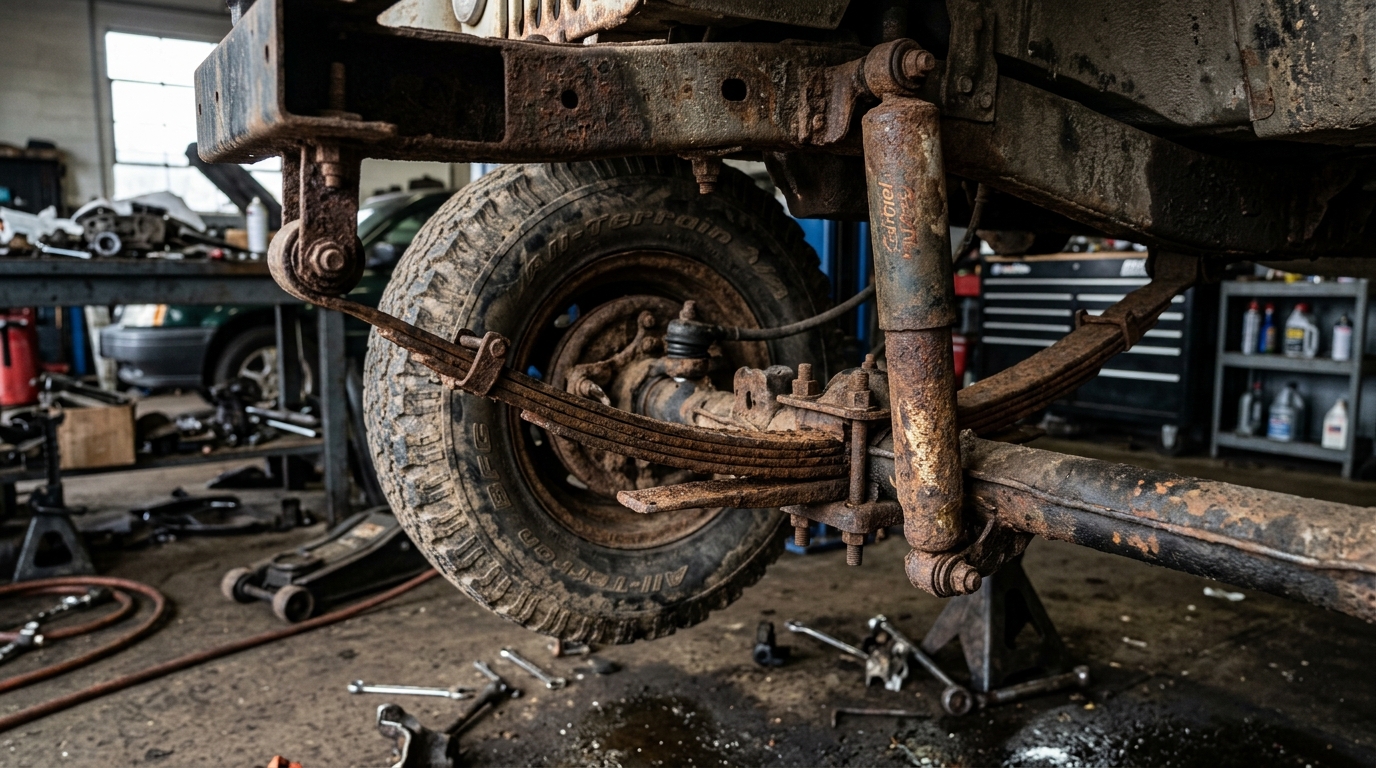
Unlike dry rock salt, liquid brine coats the undercarriage of your vehicle, seeping into micro-crevices, suspension joints, and electrical connectors. When exposed to oxygen and moisture, these chemicals initiate a process of galvanic corrosion. Steel subframes, brake lines, and exhaust systems are relentlessly attacked, leading to structural degradation that can compromise the safety of the vehicle.
2. Extreme Thermal Shock: The Freeze-Thaw Cycle
The Northeast is famous for its unpredictable weather. It is not uncommon for temperatures in Wilmington or Newark to plummet below freezing at night and soar into the mid-50s by the afternoon. This rapid freeze-thaw cycle causes thermal shock.
Metals, plastics, and rubbers expand when heated and contract when cooled. Constant expansion and contraction fatigue these materials. Rubber bushings dry rot and crack, plastic radiator end-tanks become brittle and split, and engine gaskets lose their elasticity, leading to oil and coolant leaks. Over time, this thermal cycling degrades the structural integrity of both engine components and exterior trim.
3. Topography and Infrastructure: The Pothole Epidemic
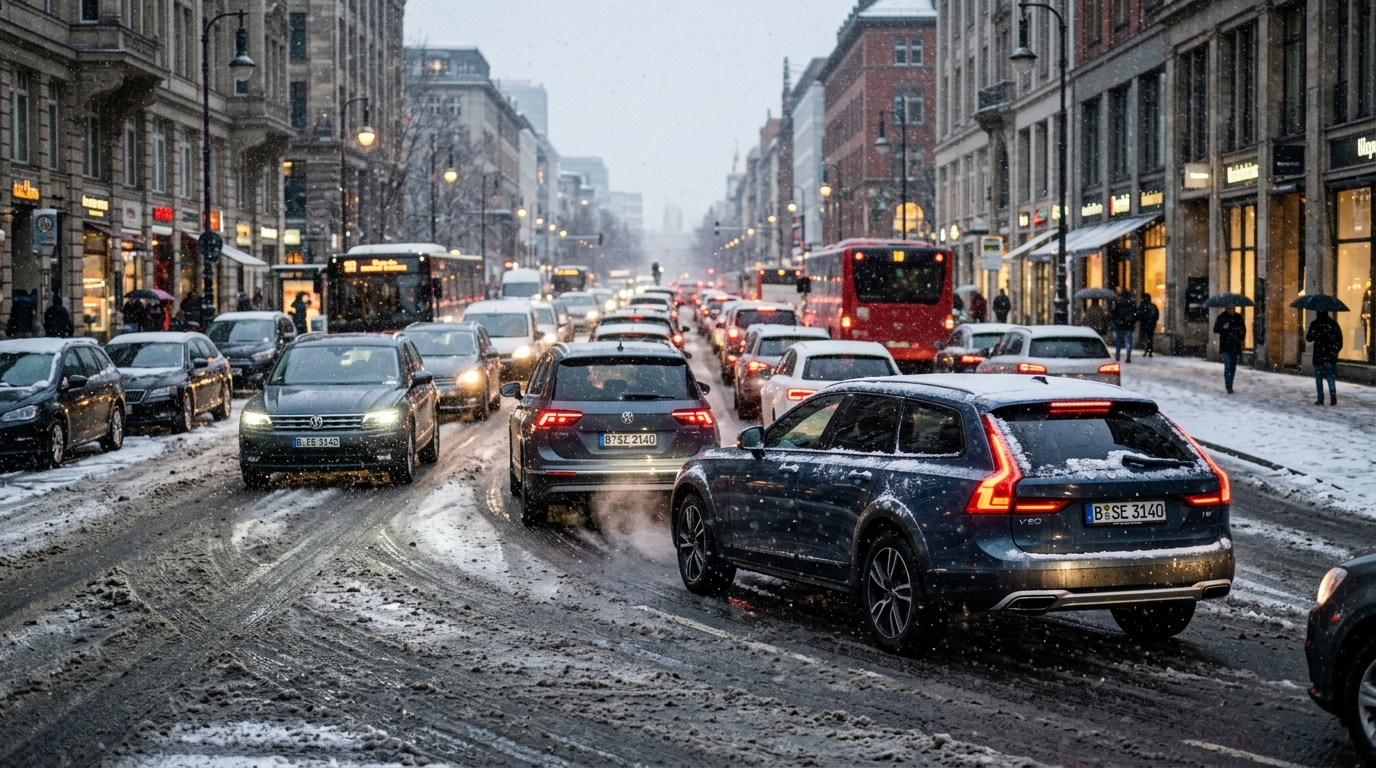
The same freeze-thaw cycle that damages your engine components also destroys the roads. Water seeps into the asphalt, freezes, expands, and blows out chunks of the road surface, creating massive potholes. Driving through Cherry Hill or Annapolis after a harsh winter often feels like navigating an obstacle course.
Impacts from these craters transfer immense kinetic energy directly into your vehicle’s suspension. Struts, shock absorbers, control arms, tie rods, and wheel bearings bear the brunt of this force. A single severe pothole strike can bend a control arm or shatter a wheel bearing, requiring immediate replacement.
4. Coastal Humidity and Salty Air
For drivers in Annapolis, Maryland, and coastal areas of Delaware and New Jersey, the threat does not disappear in the summer. High humidity levels combined with salt-laden ocean air create a continuously corrosive environment. This ambient moisture ensures that the oxidation process never truly stops, eating away at exposed metal surfaces year-round.
rusty car suspension parts
Most Vulnerable Car Parts in the Northeast Climate
To better understand what you are up against, here is a technical breakdown of the components most frequently destroyed by Northeast driving conditions:
| Automotive Component | Primary Threat | Consequence of Failure |
|---|---|---|
| Control Arms & Ball Joints | Pothole impacts and brine corrosion | Loss of steering precision, uneven tire wear, catastrophic suspension collapse. |
| Brake Calipers & Rotors | Road salt and thermal cycling | Seized caliper pistons, warped rotors, significantly increased stopping distance. |
| Exhaust Systems (Mufflers/Cats) | Moisture and chemical de-icers | Rust-through holes, exhaust leaks, failed emissions tests, decreased engine performance. |
| Alternators & Starters | Brine intrusion and extreme cold | Electrical shorts, dead batteries, inability to start the vehicle in freezing temps. |
| Radiators & Hoses | Thermal shock (freeze-thaw) | Cracked plastic housings, ruptured hoses, severe engine overheating. |
The OEM Advantage: Why Used Auto Parts Beat Cheap Aftermarket Alternatives
When a pothole destroys your control arm or road salt eats through your alternator, you are faced with a choice: buy a brand-new part from the dealership, buy a cheap aftermarket part, or purchase recycled car parts. For drivers in the Northeast, buying high-quality used OEM parts from JP Auto Hub is the smartest, most durable, and most cost-effective solution.
The Problem with Cheap Aftermarket Parts
The internet is flooded with inexpensive, white-box aftermarket parts. While the low price tag is tempting, these parts are often a massive liability in the Northeast climate. To keep costs down, third-party manufacturers frequently compromise on metallurgy and protective coatings.
For example, a cheap aftermarket control arm may be made from inferior, porous steel and lack the thick, electro-coated (e-coat) anti-corrosion dipping that original equipment manufacturers (OEM) use. Within a single winter of driving in Newark or Annapolis, that aftermarket part will begin to rust heavily. Furthermore, aftermarket rubber bushings are notoriously stiff and prone to cracking under extreme cold, failing long before an OEM equivalent would.
Why OEM Parts Excel in Harsh Environments
OEM parts are engineered by the vehicle’s original manufacturer to meet strict, rigorous durability standards. Automakers spend millions of dollars in research and development to ensure their components can withstand severe weather, utilizing advanced alloys, galvanized steel, and high-grade polyurethane seals.
When you purchase recycled car parts from JP Auto Hub, you are getting genuine OEM quality. These parts have the exact factory fitment, the correct metallurgical composition, and the original anti-corrosion treatments designed to survive the Northeast. Even as a used component, an OEM part will generally outlast a brand-new, cheaply made aftermarket alternative.
📹 Recommended Video
For a visual guide, search “how winter road salt damages car parts and undercarriage” on
YouTube.
Serving the Northeast: Cherry Hill, Wilmington, Annapolis, and Newark
Finding reliable replacement parts in the Mid-Atlantic region shouldn’t be a hassle. Whether you are a DIY mechanic fixing a daily commuter or a professional repair shop sourcing components for a client, JP Auto Hub is your premier destination for top-tier used auto parts.
- Cherry Hill, New Jersey: With heavy traffic and aggressive winter salting on the NJ Turnpike and Route 70, Cherry Hill drivers constantly battle suspension and brake wear. We supply the OEM parts needed to keep your vehicle safe.
- Wilmington, Delaware: Urban driving in Wilmington means stop-and-go traffic and hidden potholes. Our inventory of recycled car parts ensures you can replace damaged steering and suspension components without breaking the bank.
- Annapolis, Maryland: The combination of coastal humidity and winter freezes makes rust a constant enemy in Annapolis. Our thoroughly inspected OEM parts provide the corrosion resistance your vehicle originally came with.
- Newark, Delaware: Home to a bustling university and heavy interstate travel, vehicles in Newark rack up hard miles. We offer reliable engine and transmission components to keep your car running smoothly semester after semester.
Trust JP Auto Hub for Your Auto Repair Needs
The Northeast US is an unforgiving environment for automobiles, but with the right maintenance strategy, your vehicle can thrive. Don’t compromise your safety or your wallet with inferior aftermarket components that will rust and fail after one winter. Choose the proven durability of genuine OEM engineering.
Ready to find the perfect part for your vehicle? Shop our extensive inventory of rigorously tested, high-quality used auto parts today. If you need assistance finding a specific component, our expert team is here to help—just contact us and we will ensure you get exactly what you need to conquer the Northeast roads.





Copyright 2025 © J&P All right reserved. Powered by IzyoX
