
Why Body Shops Prefer OEM Used Parts for Many Repairs
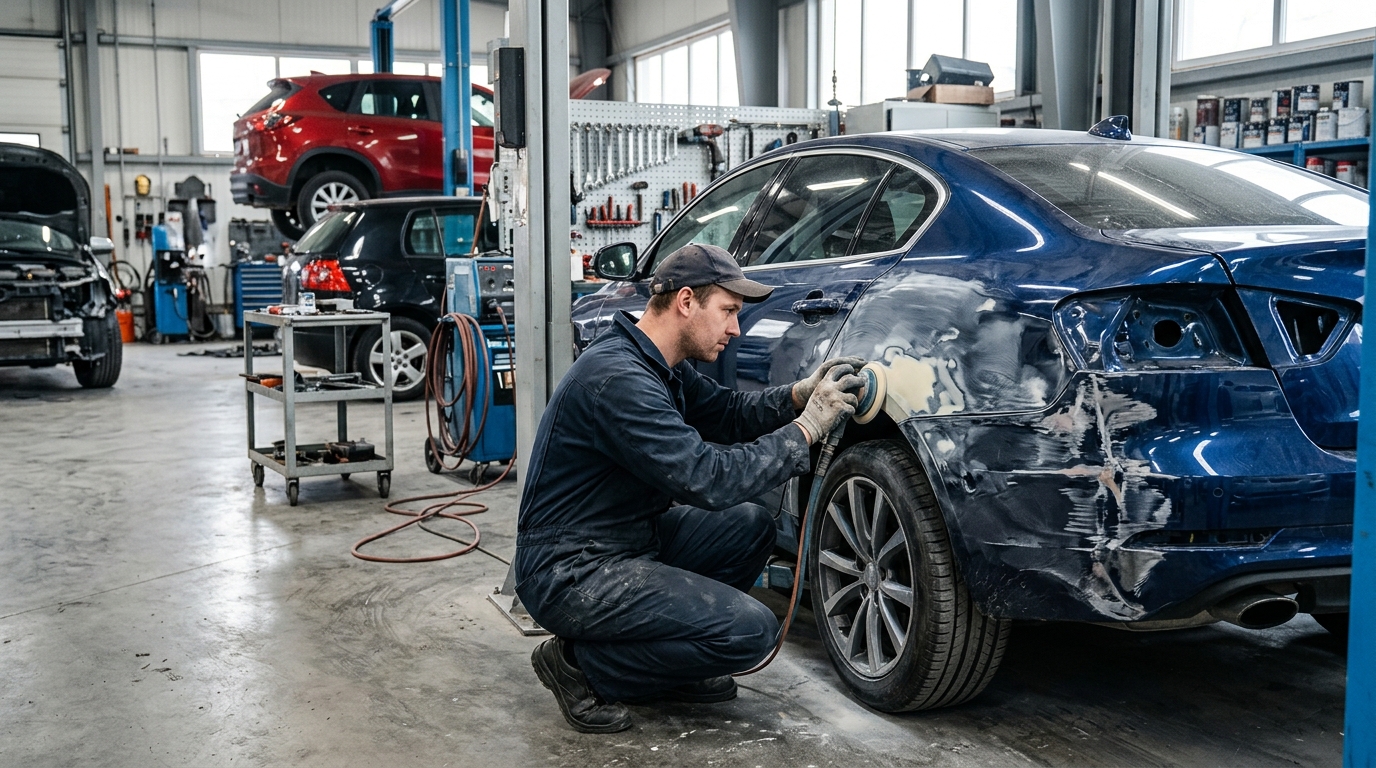
Why Body Shops Prefer OEM Used Parts for Many Repairs
When a vehicle sustains collision damage in the bustling traffic of Washington, D.C., or a fender bender happens on the busy streets of Baltimore, Maryland, it inevitably ends up at a local auto body repair facility. For vehicle owners, the primary concern is getting their car back on the road looking as good as new. But for the auto body technicians tasked with the repair, the primary concern is the quality, fitment, and safety of the replacement parts.
Across the Mid-Atlantic region—from Newark, Delaware, down to Dover, Delaware—professional collision centers face a daily choice: use brand-new aftermarket parts, or source high-quality used auto parts that were originally manufactured by the automaker. Overwhelmingly, top-tier body shops prefer the latter. In this comprehensive guide, we will explore the deep technical reasons why professionals choose OEM parts over cheap aftermarket alternatives, and how JP Auto Hub is supplying the industry with the components they need to succeed.
The Technical Distinction: OEM vs. Aftermarket
Before diving into the preferences of body shops, it is crucial to understand the fundamental differences in how automotive parts are manufactured and classified.
OEM (Original Equipment Manufacturer) parts are the exact components that your vehicle was built with at the factory. They are designed by the automaker’s engineers, crash-tested to federal standards, and manufactured using proprietary alloys, high-grade plastics, and precise stamping dies. When you purchase used OEM components, you are buying recycled car parts that retain this original factory engineering.
Aftermarket Parts, on the other hand, are produced by third-party companies. Because these companies do not have access to the original CAD files or stamping dies, they must reverse-engineer the parts. This often leads to microscopic (and sometimes macroscopic) deviations in dimensions, material thickness, and structural integrity.
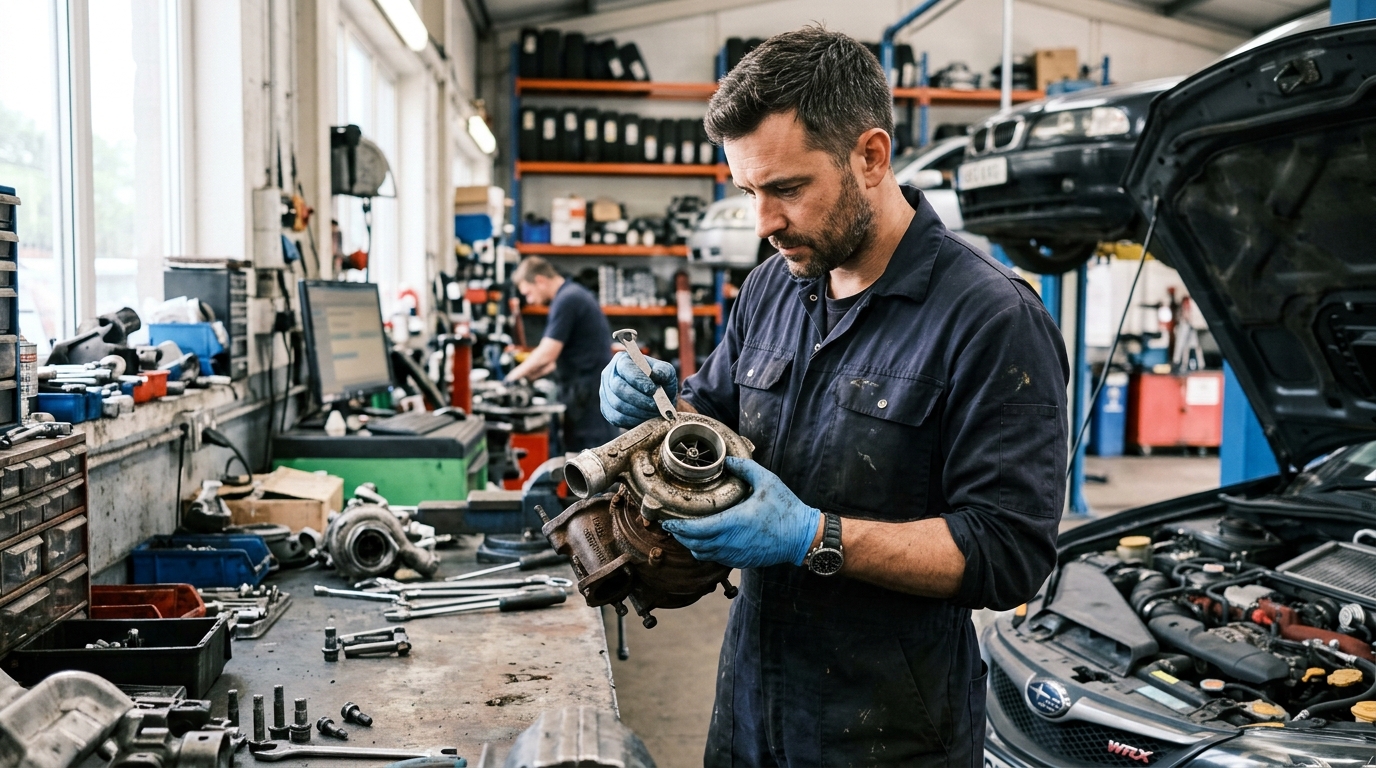
mechanic inspecting car part
5 Reasons Auto Body Professionals Choose Used OEM Parts
Auto body technicians are paid for their efficiency and the quality of their work. A part that does not fit correctly directly impacts their bottom line and the shop’s reputation. Here is why the pros consistently turn to used OEM components.
1. Exact Fitment and Panel Alignment
One of the most frustrating challenges a body man can face is “fighting” a part to make it fit. Aftermarket fenders, hoods, and bumper covers are notorious for having misaligned bolt holes, incorrect curvature, and inconsistent panel gaps. When an aftermarket hood is installed, the gap between the hood and the fender might be 3mm on the left side and 6mm on the right side.
Used OEM parts completely eliminate this issue. Because they were stamped by the original factory dies, they drop perfectly into place. The body lines match seamlessly, the mounting brackets align without requiring modification, and the technician saves hours of labor that would otherwise be spent grinding, bending, or forcing an aftermarket part to fit.
2. Superior Material Quality and Crash Safety
Modern vehicles are highly engineered safety cages. The exterior panels, bumper reinforcements, and core supports play a critical role in how energy is absorbed and distributed during a collision (known as crumple zones). Automakers use specific grades of high-strength steel (HSS), ultra-high-strength steel (UHSS), and aluminum to achieve these safety ratings.
Aftermarket manufacturers frequently cut costs by using thinner, lower-grade metals or more brittle plastics. In a subsequent collision, an aftermarket bumper reinforcement may fold prematurely, transferring deadly kinetic energy into the passenger cabin. By sourcing recycled car parts from a trusted supplier like JP Auto Hub, body shops ensure that the vehicle’s original safety profile remains 100% intact.
3. Paint Adhesion and Corrosion Resistance
Factory OEM metal parts are treated with a highly advanced electro-deposition (E-coat) process and galvanized to prevent rust. Aftermarket parts often come with a cheap black primer that lacks true anti-corrosion properties. Technicians frequently have to sand down aftermarket primer entirely to ensure the new paint will adhere properly, adding significant labor time.
Furthermore, aftermarket plastics (like bumper covers) often lack the proper chemical composition, leading to paint peeling or flaking months down the line. A used OEM bumper, even if it needs to be scuffed and repainted, already has a factory-bonded substrate that guarantees excellent paint adhesion.
4. Cost-Effectiveness for the Customer and Insurance Company
Brand new OEM parts from a dealership are prohibitively expensive, often causing insurance companies to declare a vehicle a total loss. Cheap aftermarket parts might keep the initial estimate low, but the added labor required to make them fit often negates the savings.
Used auto parts provide the perfect middle ground. They offer the exact same quality and fitment as brand new dealership parts, but at a fraction of the cost. This allows body shops in cities like Baltimore and Washington, D.C. to save vehicles from the salvage yard, providing high-quality repairs that keep insurance adjusters and vehicle owners happy.
5. Environmental Sustainability
The automotive repair industry is increasingly focused on reducing its carbon footprint. Manufacturing new steel and plastic parts requires massive amounts of energy and raw materials. By utilizing recycled car parts, body shops are actively participating in the circular economy, keeping perfectly good materials out of landfills and significantly reducing greenhouse gas emissions.
Comparing the Options: OEM Used vs. New Aftermarket
To summarize the technical disparities, review the comparison table below:
| Feature / Metric | Used OEM Parts | New Aftermarket Parts |
|---|---|---|
| Fitment & Gaps | Perfect factory spec; drops in easily | Often requires modification; uneven gaps |
| Material Quality | High-strength steel / Factory ABS plastics | Thinner metals / Brittle plastics |
| Crash Safety | Maintains factory crumple zones | Untested; may compromise structural integrity |
| Corrosion Resistance | Factory galvanized & E-coated | Basic primer; prone to early rusting |
| Labor Time | Low (Plug and play installation) | High (Requires adjusting, grinding, prep work) |
📹 Recommended Video
For a visual guide, search “why use OEM vs aftermarket auto body parts” on
YouTube.
How JP Auto Hub Supports Local Body Shops
At JP Auto Hub, we understand the rigorous demands placed on auto body technicians. Whether you are running a high-volume collision center in Newark, Delaware, or an independent restoration shop in Dover, Delaware, you need parts you can rely on.
We meticulously inspect all of our used auto parts before they enter our inventory. Our team checks for structural integrity, hidden rust, and tab damage, ensuring that when a body shop orders a fender, door shell, or bumper assembly, they receive a component that is ready for prep and paint. We take the guesswork out of sourcing recycled car parts.
By bypassing the cheap aftermarket alternatives and choosing OEM, you are investing in the longevity of the repair and the safety of your customers. Our extensive inventory covers a wide range of makes and models, domestic and import, ensuring you can find exactly what you need to complete your repair orders on time and under budget.
Upgrade Your Repair Quality Today
Don’t let poorly fitting aftermarket parts slow down your shop’s production or compromise the safety of your customers’ vehicles. The choice is clear: genuine factory engineering will always outperform third-party imitations.
If you are an auto body professional or a DIY enthusiast in Maryland, Delaware, or the D.C. metro area, we invite you to browse our massive selection of premium recycled components. Visit our Shop to search for specific parts for your current project. Have questions about fitment, freight shipping, or bulk orders for your collision center? Reach out to our expert team via our Contact page. We are dedicated to providing the highest quality OEM parts to keep the Mid-Atlantic driving safely.





Copyright 2025 © J&P All right reserved. Powered by IzyoX
