
How to Find the Right Recycled Car Part Without Guesswork
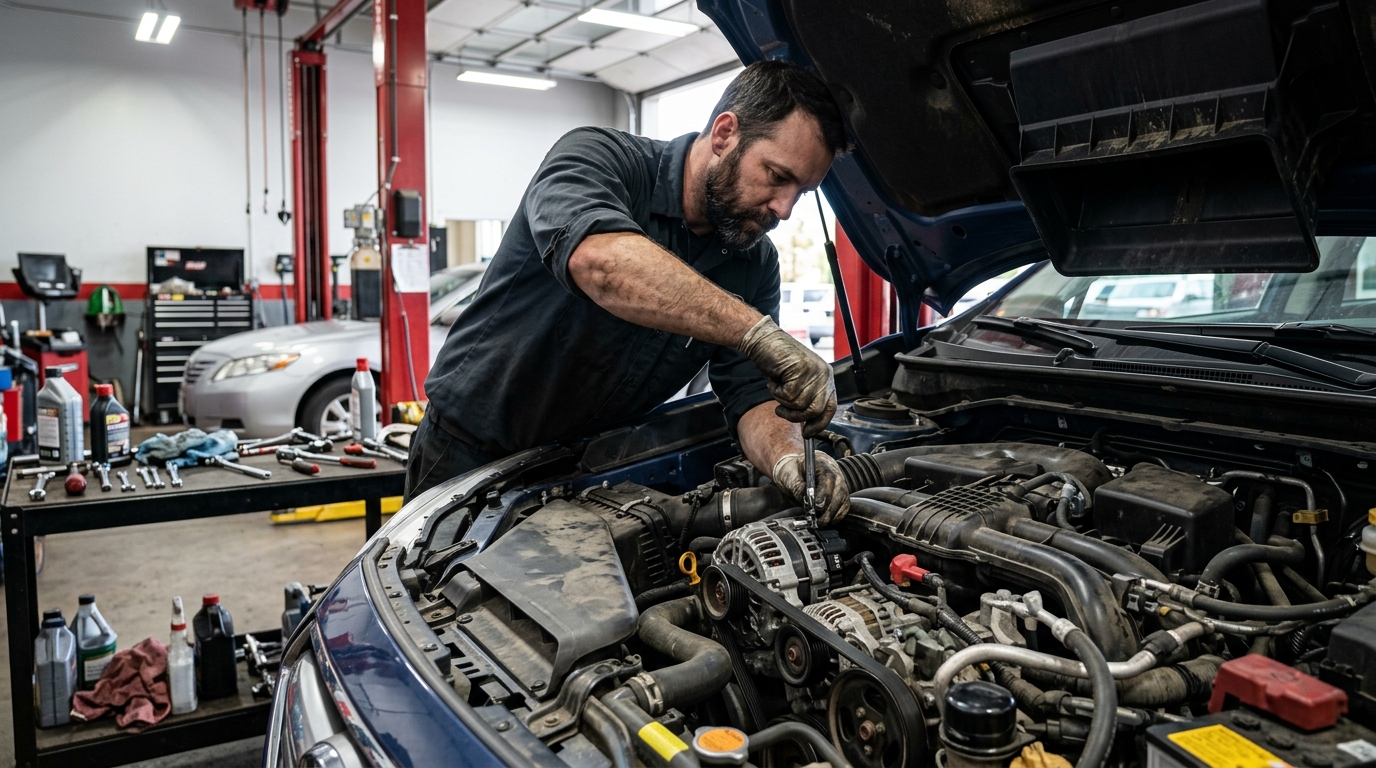
How to Find the Right Recycled Car Part Without Guesswork
Whether you are a seasoned mechanic or a DIY car enthusiast, replacing a failing vehicle component can be a daunting task. The automotive market is flooded with options, leaving many drivers overwhelmed by compatibility charts and conflicting advice. If you live in Dover, Delaware, Newark, Delaware, Camden, New Jersey, or Annapolis, Maryland, you have likely experienced the frustration of ordering a part only to find it doesn’t fit. At JP Auto Hub, we believe that repairing your vehicle shouldn’t be a gamble. This comprehensive guide will show you exactly how to find the right recycled car parts without the guesswork, ensuring a perfect repair every time.
The Pitfalls of Guessing: Why Precision Matters in Auto Repair
Modern vehicles are incredibly complex machines governed by intricate computer networks and precisely engineered mechanical systems. Gone are the days when a single alternator or starter motor would fit a wide range of makes and models across an entire decade. Today, automakers frequently change part specifications midway through a production year. Guessing which part you need based solely on the year, make, and model can lead to catastrophic mechanical failures, electrical shorts, or, at the very least, a massive waste of time and money.
This is where the value of high-quality used auto parts comes into play. By sourcing the exact factory component originally installed in your vehicle, you eliminate the variables introduced by third-party manufacturers. However, to reap these benefits, you must know how to identify the precise component your vehicle requires.
Step-by-Step Guide to Identifying the Correct OEM Parts
Finding the right recycled car parts requires a systematic approach. By following these technical steps, you can guarantee that the part you order is the exact match for your vehicle.
1. Decode Your Vehicle Identification Number (VIN)
Your vehicle’s VIN is its DNA. This 17-character alphanumeric code contains vital information about your car’s engine size, transmission type, trim level, and production plant. The 10th character, for instance, dictates the model year, while the 8th character often specifies the exact engine variant. When searching for used auto parts, providing your full VIN to a reputable supplier ensures that their database filters out any incompatible components. Always have your VIN ready before beginning your search.
2. Locate the Stamped or Cast Part Number
The most foolproof way to find a matching replacement is to locate the original equipment manufacturer (OEM) part number on the broken component. Automakers stamp, cast, or print these alphanumeric sequences directly onto the parts. For example, an Engine Control Module (ECM) will have a sticker with a specific hardware and software code. If you are replacing an ECM, matching this code is non-negotiable; otherwise, the vehicle will not start. Carefully clean the old part and record every number you see.
3. Understand Interchangeability (The Hollander Interchange)
One of the best-kept secrets in the recycled car parts industry is the concept of interchangeability. Automakers frequently share components across different models and even different brands (such as Ford and Lincoln, or Toyota and Lexus). The Hollander Interchange index is a standardized system used by professional salvage yards to determine which parts are identical across different vehicles. By understanding interchange, you might find that a part from a 2018 model perfectly fits your 2016 vehicle, vastly expanding your options.
📹 Recommended Video
For a visual guide, search “how to find OEM part numbers using VIN” on
YouTube.
Why Used OEM Parts Beat Cheap Aftermarket Alternatives
When faced with a repair, many drivers are tempted by the low prices of brand-new aftermarket parts found on massive e-commerce sites. However, automotive professionals strongly advise against this. Here is a deep dive into why buying recycled OEM parts from JP Auto Hub is vastly superior to installing cheap aftermarket alternatives.
The Reality of Aftermarket Quality Control
Aftermarket parts are often reverse-engineered by overseas manufacturers looking to cut costs. They frequently use inferior alloys, thinner plastics, and substandard electrical components. A cheap aftermarket mass airflow sensor, for example, may send slightly inaccurate readings to your car’s computer, resulting in poor fuel economy and a persistent check engine light. In contrast, OEM parts were engineered by the automaker to meet rigorous safety and performance standards.
Fitment and Installation Issues
There is nothing more frustrating than spending hours dismantling your car only to discover the replacement part’s bolt holes don’t align. Aftermarket body panels often require extensive sanding, bending, and manipulation to fit properly. Recycled OEM parts, however, offer drop-in fitment. Because they were manufactured on the same assembly line as your original parts, they align perfectly with your vehicle’s existing brackets and wiring harnesses.
Environmental Impact
Choosing recycled car parts is one of the most environmentally responsible decisions a vehicle owner can make. By reusing existing components, you reduce the demand for raw materials and the energy-intensive manufacturing processes required to create new parts. It is a sustainable approach that keeps perfectly good components out of landfills.
Comparing OEM Recycled Parts vs. Cheap Aftermarket
| Feature | Used OEM Parts (JP Auto Hub) | Cheap Aftermarket Parts |
|---|---|---|
| Fitment | Exact factory match; drop-in installation. | Often requires modifications or forcing to fit. |
| Material Quality | High-grade factory alloys, plastics, and wiring. | Thinner, cheaper materials prone to early failure. |
| Electronic Compatibility | Communicates flawlessly with factory computers. | High risk of triggering fault codes or warning lights. |
| Value | High reliability at a fraction of dealer prices. | Low initial cost, but high risk of repeated repairs. |
Serving the Mid-Atlantic: Dover, Newark, Camden, and Annapolis
Finding a reliable source for auto parts can be challenging depending on your location. Whether you are navigating the busy streets of Camden, New Jersey, cruising the historic roads of Annapolis, Maryland, or commuting between Dover and Newark, Delaware, your vehicle endures a unique set of stresses. From the salty winter roads of the Northeast to the stop-and-go traffic of the I-95 corridor, your car demands durable, reliable components.
JP Auto Hub is proud to serve drivers and mechanics across these vibrant communities. We understand the specific needs of Mid-Atlantic drivers. When a pothole in Newark damages your suspension, or the coastal humidity in Annapolis affects your electronics, you need a trusted partner who can supply the exact OEM parts required to get you back on the road safely and swiftly.
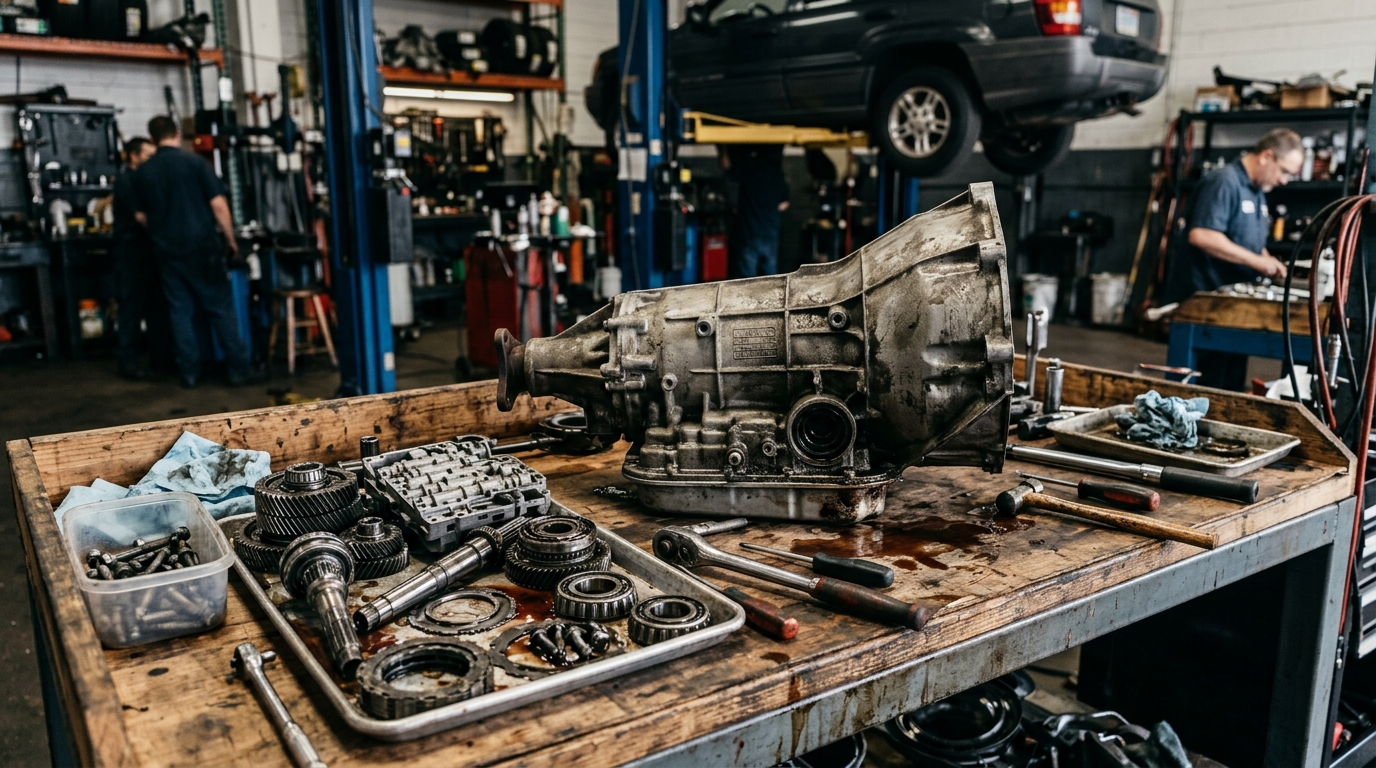
used transmission workbench
The JP Auto Hub Advantage
Not all recycled parts facilities are created equal. At JP Auto Hub, we have revolutionized the way used auto parts are sourced, tested, and sold. When you browse our used auto parts inventory, you aren’t just looking at a digital junkyard; you are accessing a meticulously curated catalog of premium automotive components.
Rigorous Quality Control and Testing
We eliminate the guesswork before the part even reaches our shelves. Our certified technicians subject every engine, transmission, and electrical component to stringent testing protocols. We compression-test engines, inspect transmissions for fluid degradation, and bench-test electrical modules. If a part doesn’t meet our strict quality standards, it doesn’t get sold. This commitment to quality ensures that the recycled car parts you receive will perform just as well as new ones.
Accurate Digital Inventory
Say goodbye to wandering through muddy salvage yards with a toolbox. Our state-of-the-art inventory management system tracks every part by its OEM part number, donor vehicle VIN, and mileage. With detailed photographs and accurate descriptions, you know exactly what you are buying. Our search tools are designed to match your specific vehicle data with our inventory, guaranteeing a perfect fit.
Conclusion
Repairing your vehicle shouldn’t involve crossing your fingers and hoping for the best. By understanding your vehicle’s VIN, locating OEM part numbers, and choosing high-quality recycled car parts over inferior aftermarket alternatives, you can ensure a successful, long-lasting repair. Drivers in Dover, Newark, Camden, and Annapolis deserve reliable, cost-effective solutions for their automotive needs.
Stop guessing and start repairing with confidence. Trust JP Auto Hub to provide the precision, quality, and expertise you need. If you need assistance finding the exact component for your vehicle, our team of automotive experts is ready to help. Contact us today, and let us help you find the perfect part for your next project.





Copyright 2025 © J&P All right reserved. Powered by IzyoX
