

Common High-Mileage Transmission Problems and the Best Replacement Approach
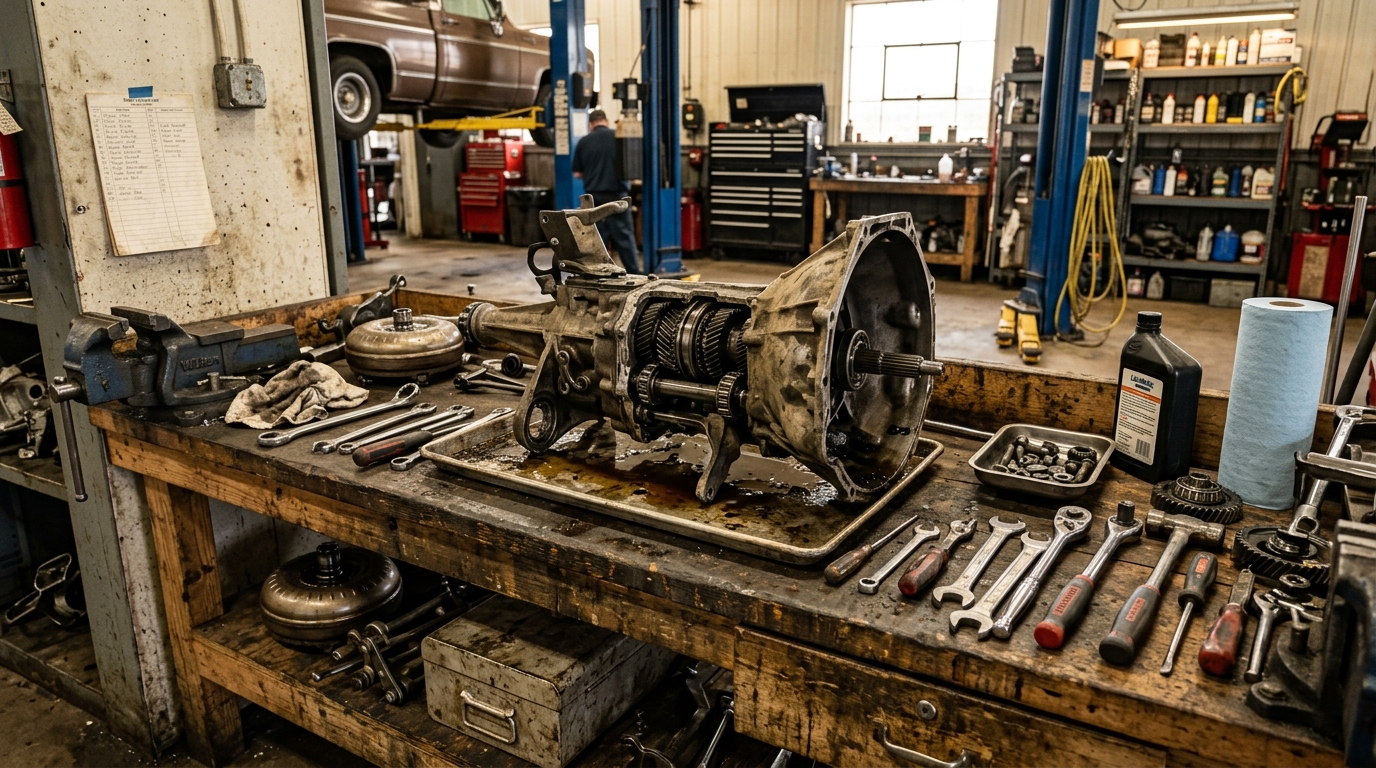
Common High-Mileage Transmission Problems and the Best Replacement Approach
For daily commuters navigating the heavy traffic of I-95 in Philadelphia, Pennsylvania, the busy corridors of Route 202 in Wilmington, Delaware, the coastal stretches of Annapolis, Maryland, or the suburban sprawl of Cherry Hill, New Jersey, a reliable vehicle is an absolute necessity. As your vehicle racks up the miles, one of the most critical and complex components—the transmission—begins to show inevitable signs of wear. High-mileage transmissions are particularly susceptible to a range of mechanical and hydraulic failures that can leave you stranded.
When a transmission fails, vehicle owners are faced with a daunting and potentially expensive decision: rebuild the existing unit, purchase a brand-new or remanufactured transmission, risk a cheap aftermarket alternative, or source high-quality used auto parts. In this comprehensive guide, we will explore the most common high-mileage transmission problems, delve into the technical reasons behind these failures, and explain why sourcing recycled car parts from a trusted supplier like JP Auto Hub is the smartest, most cost-effective replacement approach.
Identifying Common High-Mileage Transmission Problems
Modern automatic and manual transmissions are marvels of engineering, relying on a precise symphony of planetary gears, clutch packs, hydraulic fluid, valve bodies, and electronic solenoids. Over time, heat, friction, and fluid degradation take their toll. Here are the most common issues you will encounter as your odometer climbs past the 100,000-mile mark.
1. Slipping Gears and Loss of Power
One of the most alarming symptoms of a failing transmission is gear slippage. You may step on the accelerator, hear the engine RPMs spike, but feel no corresponding increase in vehicle speed. In an automatic transmission, this is often caused by worn friction materials on the clutch packs or transmission bands. As these materials degrade, they can no longer hold the planetary gears effectively. Additionally, inadequate hydraulic pressure—often due to a failing pump or a clogged internal filter—can prevent the clutch packs from engaging fully, leading to a loss of power transfer from the engine to the drivetrain.
2. Delayed Engagement
Delayed engagement occurs when you shift your vehicle from Park to Drive or Reverse, and there is a noticeable pause (often lasting two to three seconds) before the transmission actually engages the gear. This hesitation is a classic high-mileage symptom. It is frequently caused by hardened or shrunken internal seals that allow hydraulic fluid to bypass the intended circuits. Until the transmission fluid warms up and the seals expand slightly, the hydraulic pressure remains too low to engage the gear immediately. Over time, this condition will worsen, eventually leading to complete gear failure.
3. Fluid Leaks and Burnt Transmission Fluid
Transmission fluid is the lifeblood of your gearbox. It serves as a hydraulic fluid, a lubricant, and a coolant. In high-mileage vehicles, axle seals, pan gaskets, and transmission cooler lines become brittle and prone to leaking. A low fluid level will cause catastrophic overheating and friction damage. Furthermore, if you pull the transmission dipstick and notice the fluid is dark brown or black and emits a distinct burnt odor, it indicates that the internal components are overheating and the friction material is disintegrating into the fluid.
4. Grinding, Clunking, and Humming Noises
A healthy transmission should operate silently. If you hear grinding noises when shifting gears in a manual transmission, it usually points to worn synchronizers or a failing clutch. In automatic transmissions, a whining or humming noise that increases with engine speed often indicates a failing torque converter or a worn transmission fluid pump. Clunking sounds during shifts suggest worn engine or transmission mounts, or excessive play in the universal joints and differential gears due to long-term wear and tear.
The High Cost of Ignoring Transmission Issues
Ignoring the early warning signs of transmission failure will inevitably lead to more severe damage. Below is a quick reference table detailing the progression of common transmission symptoms.
| Symptom | Probable Cause | Potential Consequence if Ignored |
|---|---|---|
| Minor Fluid Leak | Worn pan gasket or output shaft seal | Low fluid pressure, overheating, catastrophic gear failure |
| Delayed Engagement | Hardened internal seals, failing solenoids | Complete loss of Drive or Reverse gears |
| Burnt Fluid Smell | Overheating, disintegrating clutch packs | Total transmission rebuild or replacement required |
| Whining Noise | Failing torque converter or fluid pump | Metal shavings circulating, destroying the valve body |
Replacement Approaches: Rebuild, New, or Used OEM Parts?
When your mechanic confirms that your transmission is beyond a simple fluid flush or solenoid replacement, you must choose how to replace it. Let us evaluate the options available to drivers in Wilmington, Philadelphia, Annapolis, and Cherry Hill.
The Rebuild Route
Rebuilding a transmission involves removing the unit, completely disassembling it, and replacing all the “soft” parts (seals, gaskets, clutch friction plates). While effective, this process is incredibly labor-intensive. The cost of labor alone can easily exceed the value of an older vehicle, making it an economically unviable option for many high-mileage cars.
New Dealership Transmissions
Purchasing a brand-new transmission directly from the dealership guarantees quality, but it comes with an exorbitant price tag. For a vehicle with over 150,000 miles, spending $4,000 to $6,000 on a new transmission simply does not make financial sense.
The Cheap Aftermarket Trap
To save money, some drivers turn to cheap aftermarket transmissions or unbranded internal replacement parts. This is a dangerous gamble. Aftermarket manufacturers often reverse-engineer components, leading to slight variations in tolerances. A valve body that is off by a fraction of a millimeter can cause harsh shifting, erratic behavior, and premature failure. Cheap aftermarket parts lack the rigorous quality control and exact metallurgical standards required by the original vehicle manufacturer.
Why Used OEM Parts Beat Cheap Aftermarket Alternatives
The sweet spot for high-mileage transmission replacement is utilizing high-quality used auto parts, specifically OEM parts (Original Equipment Manufacturer). Here is why sourcing a recycled transmission is the superior choice:
- Exact Fit and Calibration: Used OEM parts were built by the original automaker. They feature the exact gear ratios, sensor calibrations, and hydraulic mapping your vehicle’s computer expects. Cheap aftermarket alternatives often cause computer “check engine” codes due to mismatched sensor readings.
- Superior Materials: Automakers spend billions on research and development to ensure their transmission casings and internal gears can withstand immense torque. Recycled OEM transmissions retain this high-quality metallurgy, unlike cheap knock-offs that use inferior, softer alloys to cut costs.
- Cost-Effectiveness: Sourcing a low-mileage, thoroughly inspected used transmission allows you to restore your vehicle to working order at a fraction of the cost of a new or rebuilt unit. It is the most financially responsible way to keep your high-mileage commuter on the road.
- Eco-Friendly: Utilizing recycled car parts keeps heavy metals and complex assemblies out of landfills, significantly reducing the carbon footprint associated with manufacturing new automotive components.
📹 Recommended Video
For a visual guide, search “how to diagnose and replace transmission” on
YouTube.
JP Auto Hub: Your Trusted Source for Recycled Car Parts
If you are facing transmission troubles in Philadelphia, PA, Wilmington, DE, Annapolis, MD, or Cherry Hill, NJ, you don’t have to empty your savings account to get back on the road. At JP Auto Hub, we specialize in providing top-tier, rigorously inspected OEM parts to our local communities and beyond.
We understand the hesitation some drivers feel about buying used components. That is why every transmission that enters our facility undergoes a strict quality assurance process. We verify mileage, inspect fluid condition, and check for structural integrity before any part is added to our inventory. When you choose JP Auto Hub, you are choosing reliability, affordability, and peace of mind.
Don’t let a failing transmission dictate the lifespan of your vehicle. Browse our extensive inventory of high-quality used auto parts today. If you need assistance finding the exact transmission code or match for your specific make and model, our expert team is ready to help. Visit our home page to learn more about our commitment to quality, or contact us directly to speak with an automotive parts specialist. Drive with confidence knowing your replacement transmission is a genuine OEM component backed by the trusted professionals at JP Auto Hub.





Copyright 2025 © J&P All right reserved. Powered by IzyoX
