

What to Look For When Buying a Used Engine Assembly
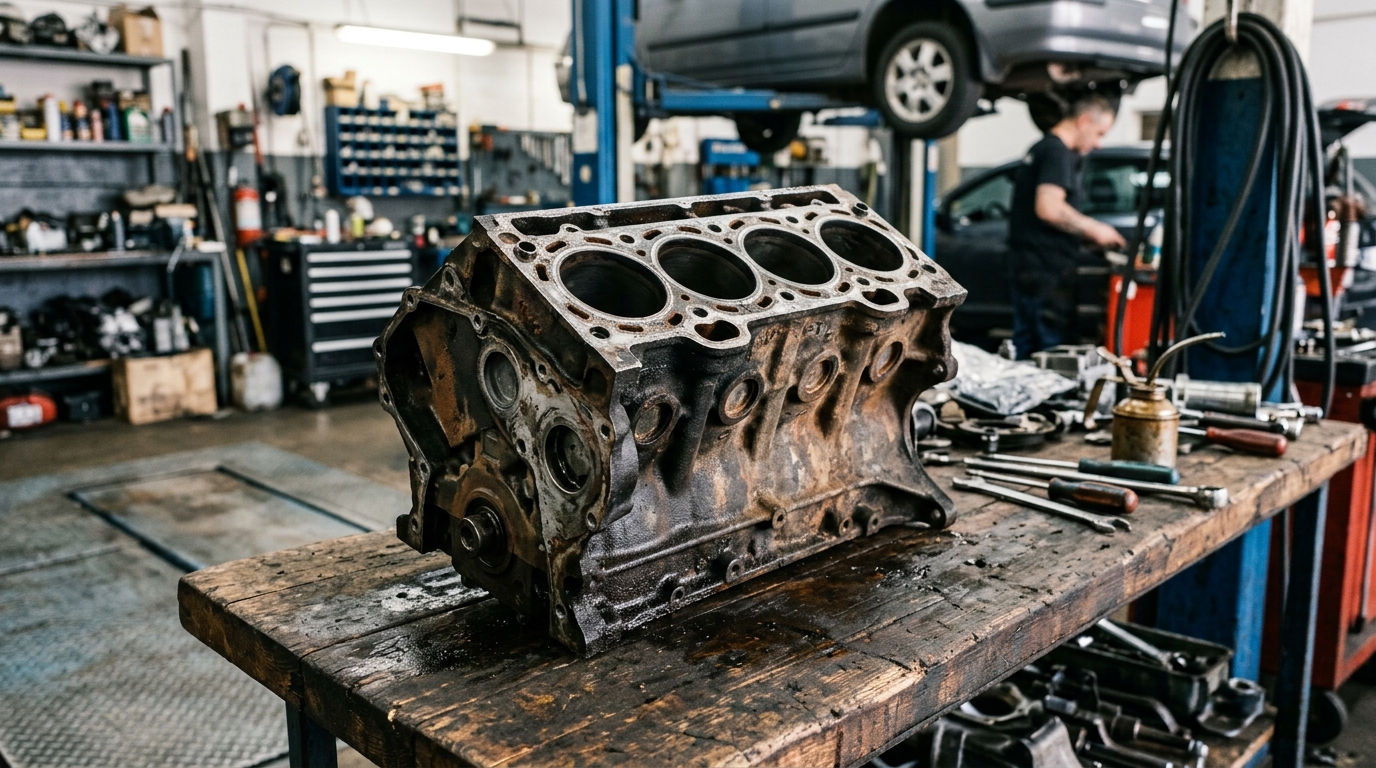
The Ultimate Guide: What to Look For When Buying a Used Engine Assembly
Experiencing catastrophic engine failure is every driver’s worst nightmare. Whether you have thrown a rod, cracked a block, or suffered from severe oil starvation, the prospect of replacing an engine is daunting. However, replacing your powerplant doesn’t have to mean draining your bank account on a brand-new crate engine or gambling on questionable aftermarket rebuilds. For drivers across Cherry Hill, New Jersey, Philadelphia, Pennsylvania, Baltimore, Maryland, and Annapolis, Maryland, purchasing a used engine assembly is often the most cost-effective and reliable solution.
But not all used auto parts are created equal. Knowing exactly what to look for when buying a used engine assembly can save you thousands of dollars and countless hours of frustration. In this comprehensive guide, the automotive experts at JP Auto Hub will walk you through the essential technical inspections, compatibility checks, and quality indicators you need to know before making a purchase.
Why Choose a Used Engine Assembly?
When faced with engine replacement, you generally have three options: buy a new/remanufactured engine, rebuild your current engine, or purchase a used engine assembly. Buying a used engine—specifically a tested, low-mileage unit—offers unparalleled advantages. First and foremost is the cost. Used engines are a fraction of the price of new ones. Secondly, utilizing recycled car parts is an environmentally responsible choice that reduces the massive carbon footprint associated with manufacturing new automotive components.
Most importantly, buying a used engine allows you to utilize genuine OEM parts. Factory-original engines were designed, cast, and assembled by the manufacturer with exacting tolerances. We will explore why this is critical later in the guide.
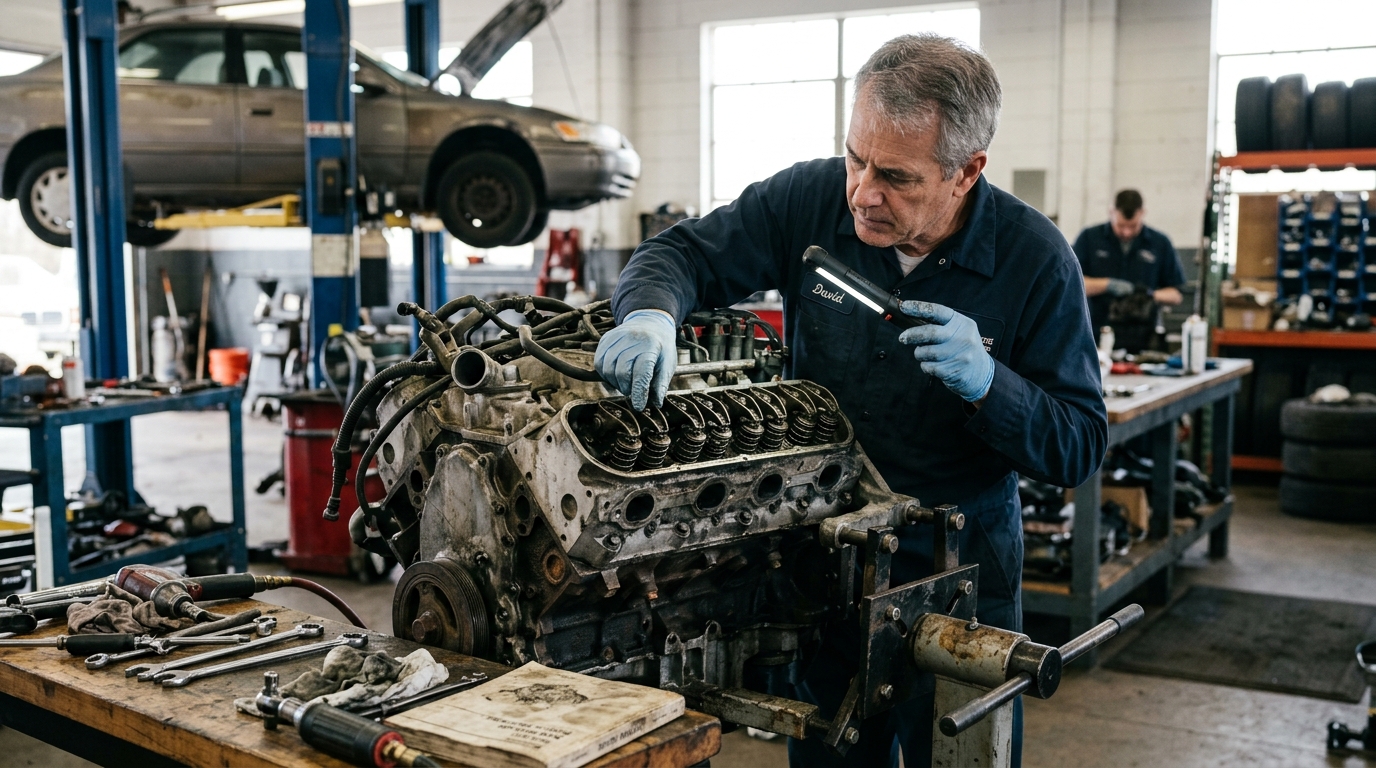
used engine assembly inspection
Critical Steps: What to Look For When Buying a Used Engine Assembly
An engine is a complex mechanical ecosystem. When evaluating a used assembly, you must perform a thorough physical and historical inspection. Here are the critical factors to evaluate:
1. Verify Mileage and Vehicle History
The golden rule of buying used auto parts is verifying the source. Ask for the VIN (Vehicle Identification Number) of the donor car. A reputable supplier will provide this so you can run a Carfax or AutoCheck report. Look for:
- Accident History: An engine from a rear-end collision is usually pristine, whereas a severe front-end impact might have caused hidden damage to the block or mounting points.
- Maintenance Records: Regular oil changes are the lifeblood of an engine. Evidence of routine maintenance is a massive green light.
- Actual Mileage: Ensure the claimed mileage aligns with the vehicle’s historical records.
2. Inspect for Leaks and Physical Damage
A visual inspection is your first line of defense. While a used engine will naturally have some road grime, excessive oil or coolant buildup is a red flag. Pay close attention to:
- Valve Cover Gaskets: Seepage here is common and easy to fix, but a massive leak could indicate neglected maintenance.
- Main Seals: Check the front and rear main seals. Replacing a rear main seal is much easier while the engine is out of the car, but excessive leaking might indicate excessive crankcase pressure (blow-by).
- Head Gasket Seam: Look for crusty white/green residue (coolant) or thick oil sludge at the mating surface between the cylinder head and the engine block.
- Mounting Bosses: Ensure none of the threaded holes or mounting ears on the aluminum or iron block are cracked or sheared off.
3. Check the Oil and Coolant Passages
Fluids tell the story of an engine’s internal health. Pull the dipstick and remove the oil filler cap. If the oil looks like a chocolate milkshake, the head gasket is blown, and coolant has mixed with the oil. Look under the oil cap with a flashlight; if you see thick, crusty black sludge, the engine suffered from neglected oil changes and is likely suffering from internal wear. Similarly, inspect the coolant passages. The presence of rust or thick brown sludge in the water pump housing indicates that the previous owner ran straight water instead of proper antifreeze, which can lead to internal corrosion and overheating issues.
4. Manual Rotation and Compression
Never buy an engine that is seized. You should be able to manually rotate the engine by turning the crankshaft pulley bolt with a breaker bar. It should turn smoothly with noticeable, rhythmic resistance as each cylinder reaches top dead center (TDC) on its compression stroke. If the engine emits grinding noises or binds up, walk away.
📹 Recommended Video
For a visual guide, search “how to inspect a used engine” on
YouTube.
5. Compatibility and VIN Matching
Automakers frequently update engine designs mid-generation. An engine from a 2015 model might not perfectly fit a 2016 model, even if they look identical. Sensors, reluctor wheels, intake manifold designs, and wiring harness connectors can vary. Always match the engine code (e.g., GM’s LS3, Honda’s K24A2) and cross-reference the 8th digit of your vehicle’s VIN with the donor vehicle to ensure seamless plug-and-play compatibility.
OEM Parts vs. Cheap Aftermarket Alternatives
A common mistake budget-conscious drivers make is opting for cheap aftermarket rebuild kits or non-factory replacement engines. While the initial price tag might be tempting, the long-term reliability is severely compromised. Here is why sourcing genuine, recycled OEM parts from JP Auto Hub is the superior choice:
| Feature | Genuine OEM Parts (Used Assembly) | Cheap Aftermarket Alternatives |
|---|---|---|
| Metallurgy & Durability | Engineered with high-grade factory alloys designed to last hundreds of thousands of miles. | Often cast from inferior, porous metals prone to warping and cracking under thermal stress. |
| Fitment & Tolerances | Exact factory specifications. Guaranteed to bolt up directly to your transmission and mounts. | Inconsistent machining can lead to misaligned bolt holes, sensor issues, and oil leaks. |
| Research & Development | Backed by billions of dollars in manufacturer R&D and rigorous real-world testing. | Reverse-engineered, often missing critical design nuances that prevent premature failure. |
| Overall Value | High reliability and longevity at a fraction of the cost of a new OEM engine. | High risk of premature failure, leading to duplicate labor costs and frequent breakdowns. |
When you buy a used OEM engine assembly, you are getting the exact powerplant your vehicle’s engineers intended. You avoid the nightmare of “check engine” lights caused by aftermarket sensors that don’t communicate properly with your ECU. By choosing high-quality recycled car parts, you restore your vehicle to its true factory baseline.
Sourcing Your Engine in the Mid-Atlantic Region
Finding a trustworthy supplier is just as important as the inspection process itself. If you are located in Cherry Hill, New Jersey, Philadelphia, Pennsylvania, Baltimore, Maryland, or Annapolis, Maryland, you are in the heart of JP Auto Hub’s service area. We pride ourselves on being the premier destination for top-tier used auto parts.
Every engine assembly we source undergoes a rigorous quality control process. We don’t just pull engines from wrecked cars and put them on a pallet. Our technicians verify mileage, conduct leak-down and compression tests where applicable, and visually inspect internal components to ensure you are receiving a reliable powerplant. We understand that our customers in the busy I-95 corridor rely heavily on their vehicles for daily commuting, which is why we only stock the highest quality recycled car parts.
Conclusion: Make the Smart Choice for Your Vehicle
Buying a used engine assembly doesn’t have to be a roll of the dice. By verifying the vehicle’s history, inspecting for physical damage and leaks, checking fluid health, and ensuring strict VIN compatibility, you can secure a reliable engine that will keep your vehicle on the road for years to come. Most importantly, prioritizing genuine OEM parts over cheap aftermarket alternatives guarantees the performance, efficiency, and safety that the manufacturer originally intended.
Ready to breathe new life into your vehicle? Browse our extensive inventory of thoroughly inspected, high-quality engine assemblies by visiting our Shop. If you need help finding the exact match for your make and model, our expert team is ready to assist you—just Contact Us today and let JP Auto Hub get you back on the road with confidence.





Copyright 2025 © J&P All right reserved. Powered by IzyoX
