
The Environmental Impact of Auto Recycling: Why Buying Used is Green
The Environmental Impact of Auto Recycling: Why Buying Used is Green
As the global community shifts toward more sustainable living, the automotive industry is undergoing a massive transformation. While much of the focus remains on electric vehicles, a significant portion of the ‘green’ revolution is happening in the secondary market. At JP Auto Hub, we believe that the most sustainable car is the one already on the road. By choosing used auto parts, consumers in Camden, NJ, Philadelphia, PA, Cherry Hill, NJ, and Washington, D.C., are participating in a circular economy that drastically reduces environmental degradation.
The Carbon Footprint of Manufacturing New Parts
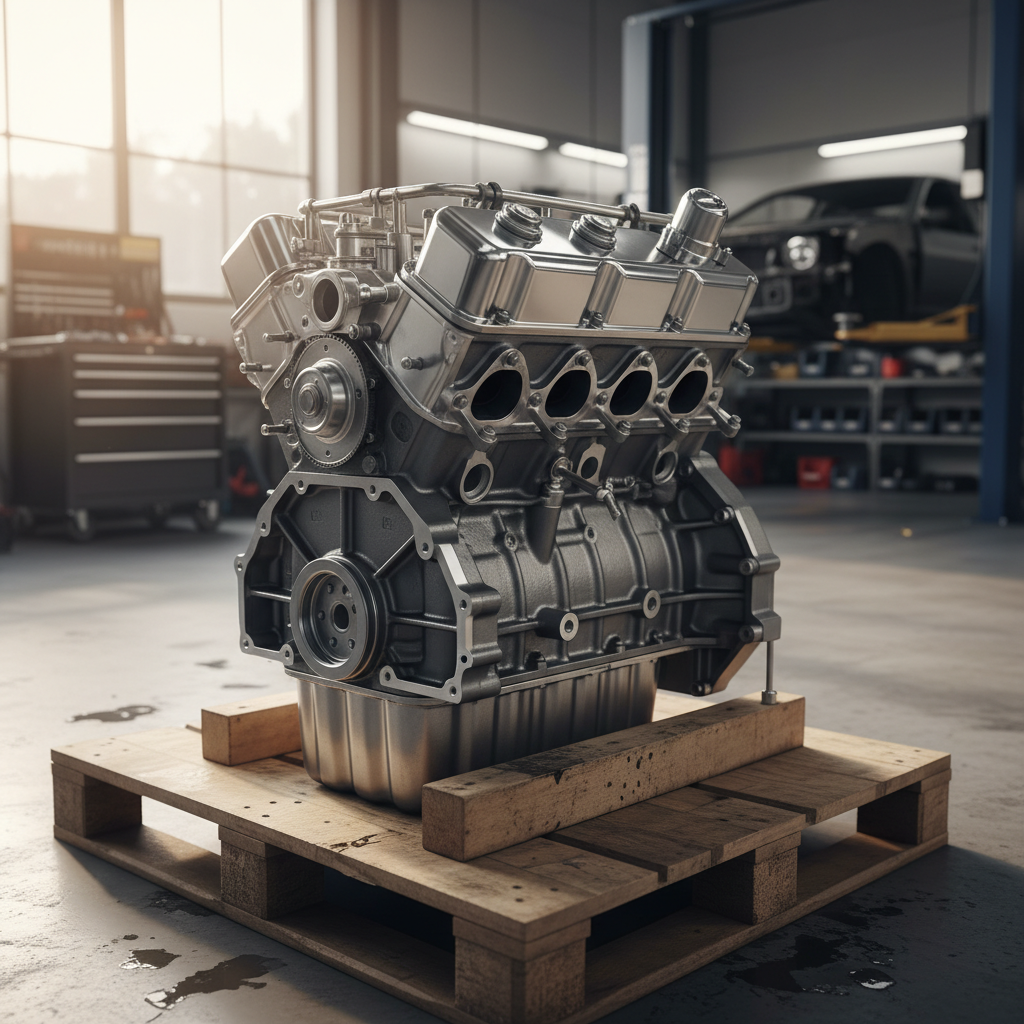
Every time a new car part is manufactured, it requires a massive influx of raw materials and energy. For instance, producing a single new engine block involves mining iron ore, smelting it at extreme temperatures, and transporting it across the globe. This process releases significant amounts of CO2 and other greenhouse gases.
Energy Consumption Comparison
Research suggests that recycling metal uses roughly 75% less energy than producing it from raw materials. When you opt for recycled car parts, you are essentially bypassing the most energy-intensive stages of production. This energy saving is crucial for urban centers like Philadelphia and Washington, D.C., where reducing the overall carbon footprint is a primary municipal goal.
Reducing Landfill Waste and Soil Contamination
Automobiles are complex machines filled with various fluids and materials that can be hazardous if not handled correctly. When a vehicle reaches the end of its life, it shouldn’t simply sit in a scrap heap. Professional recyclers like those sourcing for JP Auto Hub ensure that vehicles are ‘depolluted’—removing oils, coolants, and refrigerants before they can seep into the soil of our local communities in Camden or Cherry Hill.
- Metal Recovery: Approximately 80% of a vehicle’s weight can be recycled.
- Fluid Management: Proper extraction prevents groundwater contamination.
- Space Conservation: Recycling parts keeps thousands of tons of waste out of New Jersey and Pennsylvania landfills annually.
Used OEM Parts vs. Cheap Aftermarket: The Sustainability Debate
One of the biggest misconceptions in the automotive world is that ‘new’ always means ‘better.’ In reality, cheap aftermarket parts often have a shorter lifespan and a higher environmental cost than high-quality used auto parts. Here is why OEM parts (Original Equipment Manufacturer) from JP Auto Hub are the superior choice:
| Feature | Used OEM Parts (JP Auto Hub) | New Cheap Aftermarket |
|---|---|---|
| Fitment | Perfect, factory-spec fit | Often requires modification |
| Material Quality | High-grade automotive steel/aluminum | Often lower-grade alloys or plastics |
| Longevity | Designed to last the life of the car | Prone to premature failure |
| Environmental Impact | Zero new manufacturing emissions | High manufacturing & shipping footprint |
When you buy a used OEM alternator or transmission, you are getting a component that was engineered specifically for your vehicle’s make and model. Cheap aftermarket alternatives are often manufactured in overseas factories with lax environmental regulations and shipped thousands of miles, adding to their carbon debt. Furthermore, because they fail more often, they end up in the trash sooner, doubling the waste.
The Economic Benefit to the Mid-Atlantic Region
By supporting local auto recycling, residents of the Philadelphia metro area and Washington, D.C., keep money within the local economy. Buying from JP Auto Hub means supporting a supply chain that values resourcefulness over waste. Whether you are a DIY enthusiast in Cherry Hill or a professional mechanic in Camden, the availability of reliable recycled car parts keeps repair costs down and keeps older, perfectly functional vehicles on the road longer.
Why Quality Control Matters
Not all used parts are created equal. At JP Auto Hub, we emphasize the technical integrity of every component. We understand that for a part to be truly ‘green,’ it must be reliable. If a used part fails shortly after installation, the environmental benefit is negated by the need for a replacement. That is why we focus on sourcing OEM parts that have been rigorously inspected.
📹 Recommended Video
For a visual guide, search “how auto recycling works process from car to parts” on
YouTube.
How to Source the Right Part for Your Vehicle
Finding the right part shouldn’t be a guessing game. To ensure you are making the most sustainable and cost-effective choice, follow these steps:
- Identify your VIN: This ensures the OEM parts you order are an exact match for your vehicle’s production run.
- Check for compatibility: Many parts are interchangeable across different years or models.
- Consult the experts: If you are unsure about a specific component, Contact us at JP Auto Hub for professional guidance.
Conclusion: Driving Toward a Cleaner Future
The environmental impact of auto recycling cannot be overstated. By choosing used auto parts, you are actively reducing the demand for destructive mining, lowering global energy consumption, and preventing hazardous waste from entering our local ecosystems in Philadelphia, Camden, and beyond. At JP Auto Hub, we are proud to provide the high-quality recycled car parts that make sustainable vehicle ownership possible. Next time your vehicle needs a repair, think green, think OEM, and choose the path that benefits both your wallet and the planet.





Copyright 2025 © J&P All right reserved. Powered by IzyoX
