
Buying Used ECU Modules: What Drivers Need to Know | JP Auto Hub
The Ultimate Guide to Buying Used ECU Modules: Saving Money Without Sacrificing Performance
Modern vehicles are essentially computers on wheels. At the heart of this digital ecosystem lies the Engine Control Unit (ECU), also known as the Engine Control Module (ECM). When this critical component fails, drivers in Annapolis, Maryland, Philadelphia, Pennsylvania, Dover, Delaware, and Baltimore, Maryland are often faced with a daunting repair bill. However, there is a smarter way to get back on the road. By choosing used auto parts from JP Auto Hub, you can secure high-quality OEM parts for a fraction of the dealership price.
What is an ECU and Why Does It Fail?
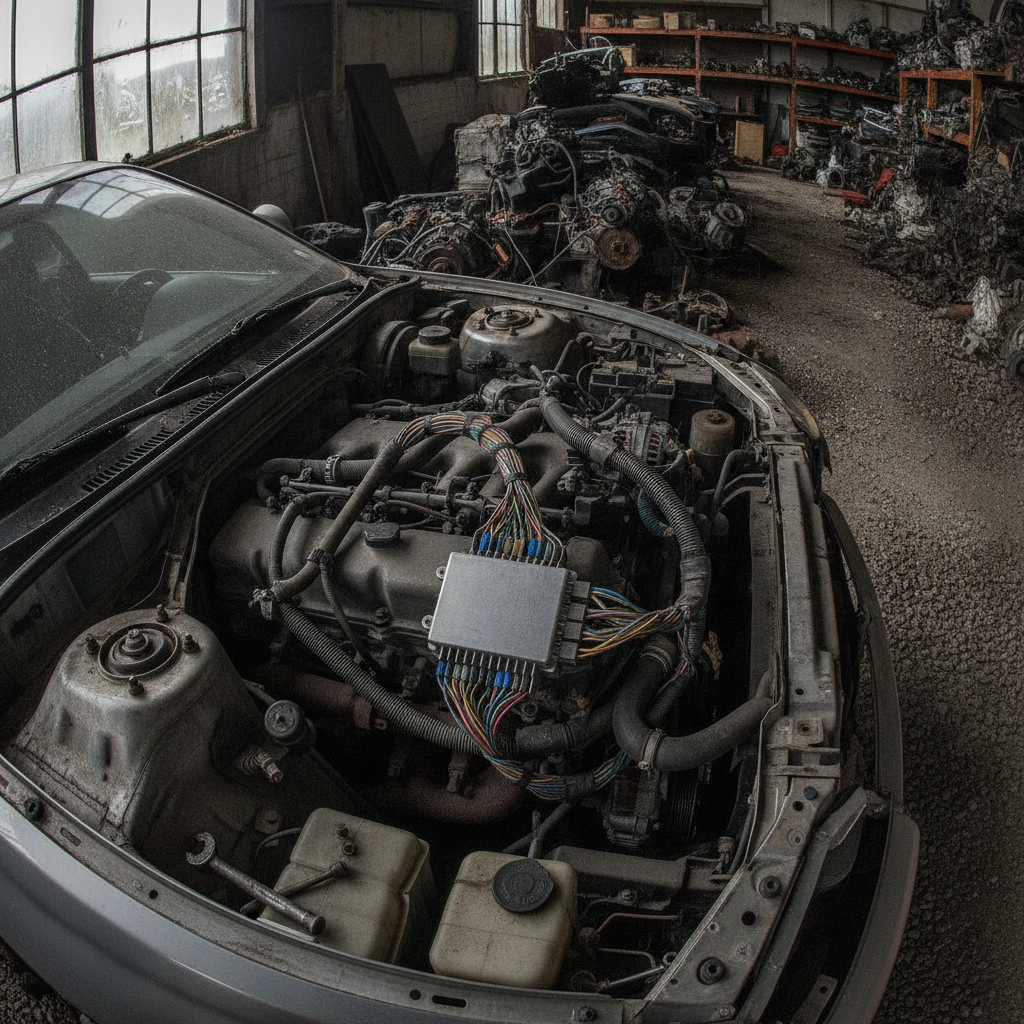
The ECU is the ‘brain’ of your vehicle. It monitors a vast network of sensors to manage everything from fuel injection and ignition timing to emissions control and turbocharger boost. Because it is an electronic component, it is susceptible to several failure points:
- Voltage Spikes: Faulty batteries or jump-starting errors can fry internal circuits.
- Moisture and Corrosion: Seals can fail over time, allowing humidity to damage the PCB.
- Vibration: Constant heat cycles and road vibration can lead to micro-cracks in solder joints.
- Environmental Factors: Extreme temperatures in the Northeast, from Philadelphia winters to Baltimore summers, can stress electronic components.
When an ECU fails, the symptoms range from a ‘Check Engine’ light and poor fuel economy to a complete ‘no-start’ condition. Replacing this with a brand-new unit from a dealership can cost anywhere from $1,000 to $3,000, excluding labor and programming.
The Benefits of Recycled Car Parts vs. Aftermarket Alternatives
When searching for a replacement, you will likely encounter two main options: cheap aftermarket units or recycled car parts (OEM). At JP Auto Hub, we strongly advocate for used OEM components. Here is why:
| Feature | Used OEM (JP Auto Hub) | Cheap Aftermarket |
|---|---|---|
| Build Quality | Engineered to manufacturer specs | Often uses inferior materials |
| Compatibility | 100% Guaranteed with correct part number | Generic ‘one-size-fits-many’ approach |
| Longevity | Proven durability over thousands of miles | Unpredictable lifespan |
| Resale Value | Maintains vehicle integrity | May lower vehicle value |
| Price | Significantly lower than new | Low, but carries high risk |
Aftermarket ECUs are often reverse-engineered. They may lack the specific fuel maps or emissions calibrations required for your exact VIN, leading to persistent ‘ghost’ codes or reduced performance. In contrast, OEM parts sourced from JP Auto Hub are the exact components your car was built with.
How to Buy a Used ECU: A Step-by-Step Checklist
Buying a used ECU requires more precision than buying a used bumper. Follow these steps to ensure a successful repair:
1. Match the Part Number Exactly
You cannot buy an ECU based on the year, make, and model alone. You must match the manufacturer’s part number found on the sticker of your original module. Manufacturers often change internal hardware mid-year.
2. Verify the VIN Requirements
Most modern ECUs (post-1996) are VIN-locked for security and anti-theft purposes. When you purchase from JP Auto Hub, you are getting a clean, tested unit, but you will likely need a professional locksmith or a dealership to ‘flash’ or ‘re-learn’ the unit to your vehicle’s immobilizer system.
3. Inspect for Physical Damage
While we test our used auto parts, always inspect the pins for corrosion or bends upon arrival. A single bent pin can prevent the entire harness from communicating with the vehicle.
📹 Recommended Video
For a visual guide, search “how to program a used engine control module ECU replacement tutorial” on
YouTube.
Serving the Mid-Atlantic: Why Choose JP Auto Hub?
Whether you are a DIY enthusiast in Dover, Delaware or a professional shop owner in Philadelphia, sourcing reliable electronics is paramount. JP Auto Hub stands out in the recycled car parts industry for several reasons:
- Rigorous Testing: We don’t just pull parts; we verify their integrity to ensure they are ready for a second life.
- Extensive Inventory: Our online shop features a wide array of modules for domestic and import vehicles.
- Local Expertise: We understand the specific needs of drivers in the Baltimore and Annapolis corridors, where stop-and-go traffic and salt-heavy winters demand the best from vehicle electronics.
Installation and Programming Considerations
Once you receive your unit from JP Auto Hub, the installation is usually straightforward—often just a few bolts and a multi-pin connector. However, the ‘soft’ installation (programming) is where the technical work happens. Many vehicles require a ‘Pass-Thru’ device and a subscription to the manufacturer’s software to sync the new ECU with the Transmission Control Module (TCM) and the Body Control Module (BCM).
We recommend contacting a mobile diagnostic service in the Baltimore or Annapolis area if you do not have the tools to perform a VIN write yourself. This ensures that the OEM parts function exactly as intended, keeping your safety systems and emissions controls in compliance.
Conclusion: Smart Savings for Smart Drivers
Replacing an ECU doesn’t have to break the bank. By choosing used auto parts from a trusted provider like JP Auto Hub, you are choosing sustainability, quality, and significant cost savings. Don’t settle for questionable aftermarket electronics that might leave you stranded on the side of I-95. Invest in the reliability of recycled car parts that were built to last.
Ready to find the brain for your vehicle? Browse our full selection of tested modules at our Shop today. If you have questions about compatibility or shipping to Philadelphia, Dover, or Annapolis, feel free to contact us and our experts will be happy to assist you.





Copyright 2025 © J&P All right reserved. Powered by IzyoX
