
How Used OEM Engines Can Save You Thousands on Major Repairs
How Used OEM Engines Can Save You Thousands on Major Repairs
For many drivers in Baltimore, Maryland, Annapolis, and the Washington, D.C. metro area, the words ‘engine failure’ are a financial death sentence for their vehicle. Whether it is a snapped timing belt, a blown head gasket, or catastrophic rod knock, the cost of a brand-new crate engine from a dealership can often exceed the actual market value of the car. However, there is a smarter, more sustainable path to getting back on the road. By utilizing high-quality recycled car parts, specifically OEM parts from a trusted supplier like JP Auto Hub, you can restore your vehicle to factory specifications at a fraction of the cost.
The Financial Reality: New vs. Used vs. Rebuilt
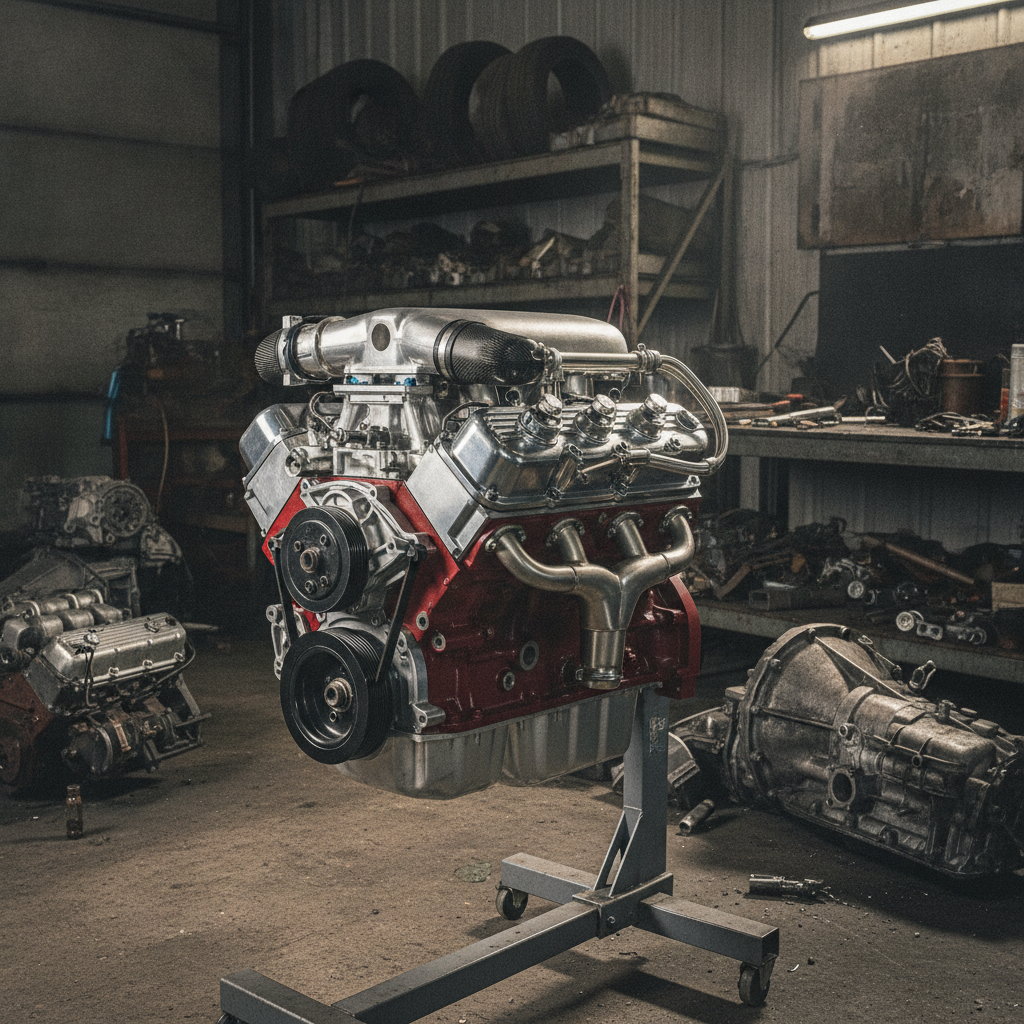
When an engine fails, you generally have three options: buy a brand-new engine from the manufacturer, rebuild your existing engine, or source a used OEM unit. To understand why used auto parts are the preferred choice for savvy car owners in Dover, Delaware and beyond, let’s look at the average cost breakdown for a mid-sized SUV engine replacement.
| Engine Type | Estimated Cost (Part Only) | Labor Complexity | Warranty Potential |
|---|---|---|---|
| New OEM Crate Engine | $6,000 – $9,000 | High | Manufacturer Limited |
| Professional Rebuild | $4,500 – $7,000 | Very High | Shop Specific |
| Used OEM Engine (JP Auto Hub) | $1,500 – $3,500 | Moderate | Supplier Backed |
As the table illustrates, choosing a used engine can save you anywhere from $3,000 to $6,000. These savings aren’t just ‘cheap’ fixes; they represent the intelligent procurement of OEM parts that have already proven their functionality in real-world driving conditions.
Why OEM Beats Aftermarket Every Time
In the world of automotive repair, ‘aftermarket’ often sounds like a budget-friendly alternative. However, when it comes to internal engine components or complete long blocks, aftermarket alternatives rarely meet the rigorous standards of the Original Equipment Manufacturer (OEM). Here is why JP Auto Hub emphasizes OEM over aftermarket:
1. Precision Engineering and Fitment
OEM engines are designed by the same engineers who built your car. Every bolt hole, sensor mount, and cooling passage is machined to tolerances within microns. Aftermarket components are often reverse-engineered to be ‘universal,’ which can lead to installation headaches, poor fuel economy, and premature failure.
2. Material Quality
Manufacturers spend millions on metallurgy to ensure engine blocks and cylinder heads can withstand the heat cycles of daily commuting in Baltimore traffic. Recycled OEM parts maintain this structural integrity, whereas ‘new’ budget aftermarket engines may use inferior alloys to keep costs low.
3. Integrated Electronics
Modern vehicles are computers on wheels. A used OEM engine from JP Auto Hub will seamlessly interface with your existing Engine Control Unit (ECU). Aftermarket ‘crate’ engines often require expensive harness adapters or ECU flashes that add thousands to your repair bill.
The Environmental Impact of Recycled Car Parts
Choosing a used engine isn’t just a win for your wallet; it is a win for the planet. The carbon footprint required to mine, smelt, and manufacture a new engine block is massive. By opting for recycled car parts, you are participating in a circular economy. You are essentially ‘upcycling’ a perfectly functional mechanical assembly that would otherwise sit in a scrap yard, reducing the demand for new industrial manufacturing and minimizing landfill waste in the Mid-Atlantic region.
How JP Auto Hub Ensures Quality
The biggest fear consumers have regarding used auto parts is the ‘unknown’ factor. At JP Auto Hub, we eliminate the guesswork through a rigorous vetting process. Not every engine that enters our facility makes it to our online shop.
- Compression Testing: We ensure each cylinder holds the pressure required for optimal combustion.
- Oil Analysis: We check for metallic debris or coolant contamination that could indicate internal wear.
- Visual Inspection: Our technicians look for signs of sludge, heat damage, or external leaks.
- Mileage Verification: We provide transparent data on the donor vehicle’s history.
📹 Recommended Video
For a visual guide, search “how to inspect a used engine for sale before buying” on
YouTube.
Installation Tips for Your Used Engine
Once you have secured your engine from JP Auto Hub, ensuring a successful installation is key to longevity. Whether you are a DIY enthusiast in Annapolis or a professional shop in Washington, D.C., follow these best practices:
Replace Wear Items
While the engine is out of the car, it is the perfect time to replace components that are difficult to reach later. We recommend new spark plugs, a new water pump, and a fresh timing belt or chain kit. These are relatively inexpensive OEM parts that provide peace of mind.
Flush the Systems
Before firing up your used engine, ensure your radiator is flushed and your oil cooler is cleaned. Debris from your old, failed engine can easily migrate into your ‘new’ used engine if the cooling and lubrication systems aren’t sanitized.
Professional Calibration
Even with a perfect OEM fit, ensure your mechanic performs a full diagnostic scan after installation to clear old codes and ensure the sensors are communicating correctly with the vehicle’s computer.
Conclusion: The Smart Path Forward
Major engine failure doesn’t have to mean the end of your vehicle’s life or the depletion of your savings account. By choosing used auto parts and recycled car parts from a reputable source, you can enjoy the reliability of OEM parts without the dealership price tag. JP Auto Hub is proud to serve the Baltimore, Annapolis, Dover, and D.C. communities with high-quality, tested automotive solutions.
Ready to find the perfect engine for your vehicle? Browse our current inventory here or contact our team of experts today for personalized assistance in finding the exact part you need to get back on the road.





Copyright 2025 © J&P All right reserved. Powered by IzyoX
