

The Future of the Used Auto Parts Market in 2026: Trends, Technology, and the Shift Toward Sustainability
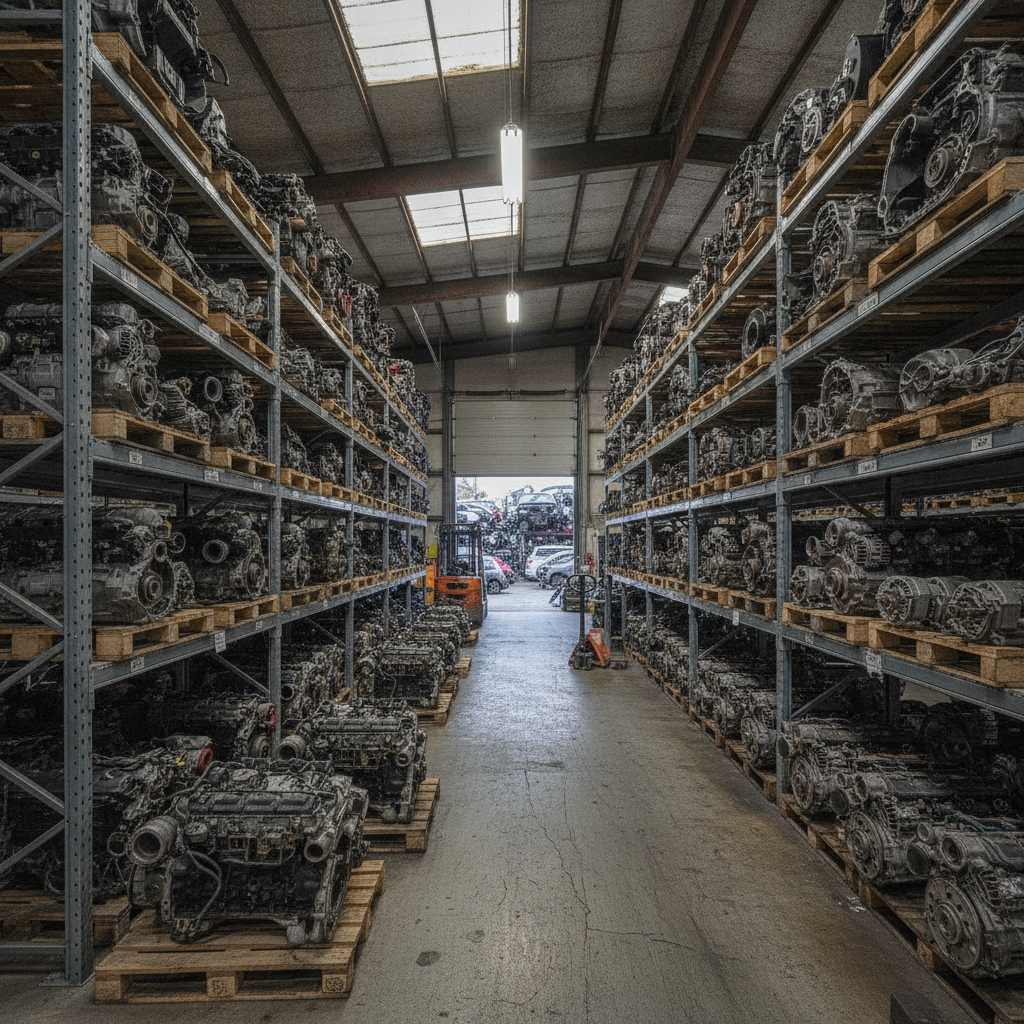
The Future of the Used Auto Parts Market in 2026: A Comprehensive Outlook
The automotive landscape is shifting at an unprecedented pace. As we look toward 2026, the used auto parts industry is no longer characterized by dusty scrap yards and manual inventories. Instead, it has evolved into a high-tech, data-driven sector essential to the global circular economy. For vehicle owners and repair shops in Dover, Delaware, Camden, New Jersey, Cherry Hill, New Jersey, and Wilmington, Delaware, understanding these shifts is crucial for maintaining vehicle longevity and cost-efficiency.
At JP Auto Hub, we are at the forefront of this transformation, ensuring that recycled car parts meet the rigorous demands of modern vehicle architectures. In this guide, we explore the technological, economic, and environmental factors shaping the market in 2026.
The Rise of High-Tech Recycling and Inventory Management
By 2026, the integration of Artificial Intelligence (AI) and blockchain technology has revolutionized how used auto parts are sourced and verified. Modern facilities now utilize automated dismantling systems that can identify and extract high-value components with surgical precision, reducing the risk of damage during the recovery process.
Predictive Analytics and Supply Chain Resilience
Supply chain disruptions of the early 2020s taught the industry a valuable lesson. Today, JP Auto Hub utilizes predictive analytics to anticipate demand in the Mid-Atlantic region. Whether it is a surge in demand for climate control modules in Wilmington or suspension components in the pothole-prone streets of Camden, data allows us to stock the right OEM parts before the customer even knows they need them.
Why Used OEM Parts Beat Cheap Aftermarket Alternatives
One of the most significant debates in the automotive world remains the choice between used Original Equipment Manufacturer (OEM) parts and new aftermarket alternatives. In 2026, the technical gap has widened. Modern vehicles rely heavily on complex Electronic Control Units (ECUs) and Advanced Driver Assistance Systems (ADAS). Aftermarket manufacturers often struggle to replicate the exact communication protocols required by these systems.
Technical Comparison: OEM vs. Aftermarket
The following table highlights the critical differences between recycled car parts (OEM) and new aftermarket components:
| Feature | Used OEM Parts (JP Auto Hub) | New Aftermarket Parts |
|---|---|---|
| Material Quality | High-grade alloys and polymers specified by the manufacturer. | Varies; often uses lower-cost composite materials. |
| Fitment | 100% Guaranteed; identical to the original component. | May require modification or ‘forcing’ into place. |
| Sensor Compatibility | Full integration with vehicle CAN-bus systems. | Potential for dashboard warning lights or ghost codes. |
| Longevity | Proven durability through real-world usage. | Often shorter lifespan due to thinner wear surfaces. |
When you browse our online shop, you are accessing components that were engineered specifically for your vehicle’s make and model. A used OEM alternator from a 2022 model is frequently superior to a brand-new, non-branded aftermarket unit because it adheres to the strict heat-resistance and amperage-output standards set by the original automaker.
Regional Focus: Serving the Mid-Atlantic Corridor
The demand for reliable used auto parts is particularly high in our core service areas. Each region presents unique challenges for vehicle maintenance:
- Dover, DE: High mileage commuting requires robust drivetrain components.
- Wilmington, DE: Stop-and-go urban traffic increases wear on braking systems and transmissions.
- Camden & Cherry Hill, NJ: Exposure to road salt during winters necessitates high-quality, corrosion-resistant body panels and undercarriage parts.
JP Auto Hub has optimized its logistics network to provide rapid delivery to these locations, ensuring that a car on a lift in Cherry Hill doesn’t stay there for weeks waiting for a backordered part from overseas.
Sustainability and the Circular Economy in 2026
Environmental regulations have tightened significantly. By 2026, the automotive industry is a pillar of the circular economy. Choosing recycled car parts is no longer just a financial decision; it is an environmental imperative. Manufacturing a new car door or engine block requires massive amounts of energy and raw material extraction. By repurposing existing OEM parts, we reduce the carbon footprint of vehicle repair by up to 70%.
📹 Recommended Video
For a visual guide, search “how to verify genuine used OEM auto parts for quality and fitment” on
YouTube.
The EV Revolution and Battery Second-Life
As electric vehicles (EVs) become more common in the Wilmington and Dover areas, the used parts market has adapted. We are seeing a surge in the availability of EV motors, inverters, and battery modules. JP Auto Hub is investing in specialized testing equipment to verify the state of health (SoH) of these electronic components, ensuring they provide reliable service for their second owners.
The JP Auto Hub Advantage: Quality Control and Verification
We understand that ‘used’ can sometimes be a word that causes hesitation. That is why JP Auto Hub has implemented a multi-stage verification process for every part that enters our inventory. This includes:
- Visual Inspection: Checking for structural integrity and corrosion.
- Functional Testing: Mechanical parts are tested under load; electronic parts are bench-tested for signal clarity.
- Cleaning and Preparation: Parts are degreased and prepped so they arrive ready for installation.
- VIN-Matching: We use advanced database cross-referencing to ensure the part is compatible with your specific sub-trim and production month.
H3: How to Secure the Best Parts for Your Vehicle
Finding the right component doesn’t have to be a gamble. To ensure you get the best value, we recommend having your VIN (Vehicle Identification Number) ready when searching. This 17-digit code is the key to unlocking the exact specifications of your vehicle’s build.
If you are unsure about fitment or need technical advice regarding a specific repair in the Camden or Cherry Hill area, do not hesitate to contact our expert team. We pride ourselves on technical literacy and customer support that goes beyond a simple transaction.
Conclusion: The Road Ahead
By 2026, the used auto parts market will be the primary source of components for savvy vehicle owners. The combination of cost savings, environmental responsibility, and the superior quality of OEM parts makes it the logical choice. Whether you are a DIY enthusiast in Dover or a professional technician in Wilmington, JP Auto Hub is your partner in keeping the Mid-Atlantic moving. The future is recycled, verified, and high-performance.





Copyright 2025 © J&P All right reserved. Powered by IzyoX
