
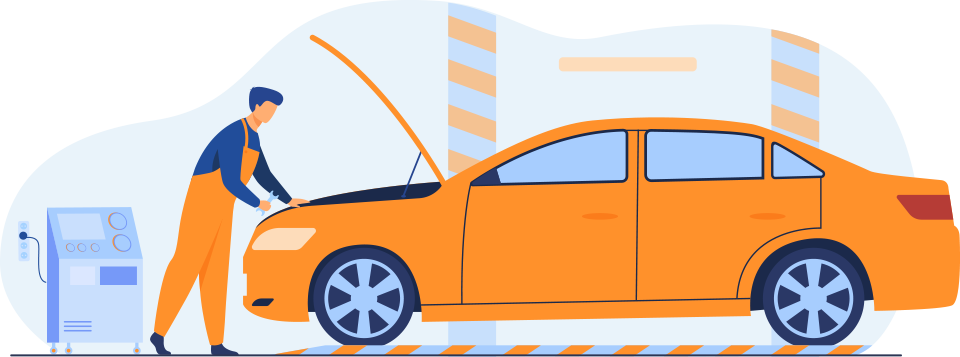
Preventing Undercarriage Rust: A Guide for New York and Jersey Drivers
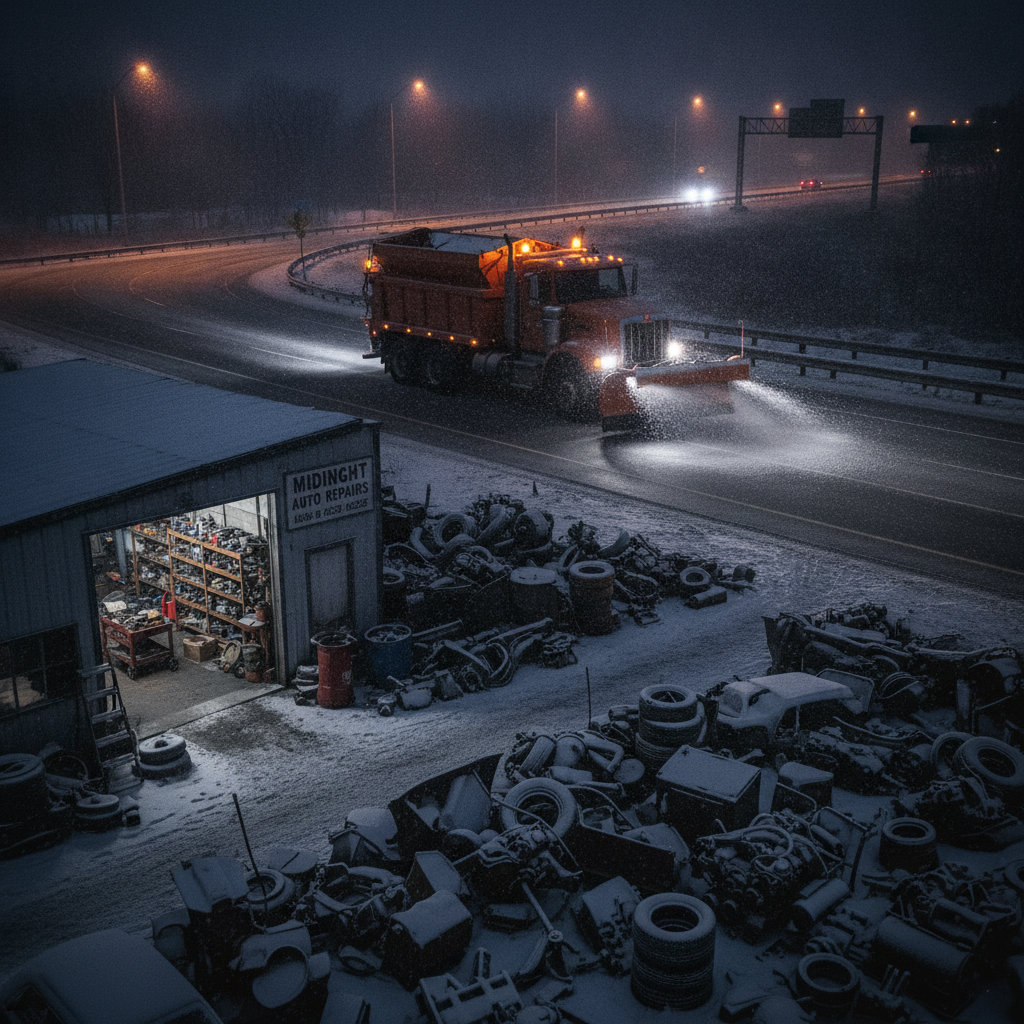
Preventing Undercarriage Rust: A Comprehensive Guide for New York, Jersey, and Philly Drivers
For drivers in the Northeast corridor—stretching from the bustling streets of Washington, D.C., through the industrial hubs of Philadelphia and Camden, to the suburban reaches of Cherry Hill, New Jersey—rust is more than a cosmetic nuisance. It is a structural predator. The combination of high humidity, coastal salt air, and the aggressive chemical brines used during winter months creates a perfect storm for automotive oxidation.
At JP Auto Hub, we see the aftermath of neglected undercarriages daily. Whether it is a pitted subframe or a seized control arm, corrosion can compromise the safety and resale value of your vehicle. This guide provides a deep technical dive into preventing rust and how to navigate repairs using high-quality recycled car parts when the damage has already been done.
The Science of Corrosion in the Northeast
Rust, or iron oxide, occurs when iron and steel are exposed to oxygen and moisture. This process is drastically accelerated by electrolytes, specifically the sodium chloride (rock salt) and magnesium chloride (liquid brine) used by DOT crews in Pennsylvania and New Jersey. These chemicals lower the freezing point of water but also increase its electrical conductivity, speeding up the electrochemical reaction that causes metal to decay.
The Regional Threat: Philadelphia to Washington, D.C.
In cities like Philadelphia and Camden, the aging infrastructure often requires heavy salting to keep transit moving. In Cherry Hill and surrounding South Jersey areas, the proximity to the coast adds salt-laden air into the mix. This creates a dual-threat environment. Even during the summer, the high humidity levels in Washington, D.C., can keep moisture trapped in the crevices of your vehicle’s frame, continuing the oxidation process long after the snow has melted.
Effective Rust Prevention Strategies
Prevention is significantly more cost-effective than replacement. To keep your vehicle’s structural integrity intact, follow these industry-standard maintenance protocols:
- Frequent Underbody Rinsing: During winter, wash your car every two weeks. Ensure the car wash includes a high-pressure undercarriage spray to remove salt from hard-to-reach areas like fuel line brackets and brake line channels.
- Lanolin-Based Undercoating: Unlike older rubberized undercoatings that can crack and trap moisture against the metal, lanolin-based sprays (like Fluid Film or Woolwax) remain fluid. They creep into welds and pinch points, creating a self-healing barrier that displaces moisture.
- Drain Hole Maintenance: Most vehicles have drainage holes in rocker panels and doors. If these become clogged with road debris, they trap water inside the body panels, causing them to rust from the inside out.
📹 Recommended Video
For a visual guide, search “how to clean and undercoat car frame for rust prevention” on
YouTube.
When Rust Wins: Identifying Structural Damage
Despite your best efforts, certain components are prone to failure. In the Northeast, we frequently see the following parts succumb to corrosion:
- Suspension Control Arms: These are often made of stamped steel and are constantly bombarded by road debris.
- Subframes (Cradles): The heavy structural members that hold the engine and transmission are vulnerable to deep-seated rot.
- Exhaust Manifolds and Flanges: High heat cycles combined with salt exposure lead to rapid scaling and leaks.
Comparison: Repair vs. Replacement Materials
| Feature | Cheap Aftermarket Parts | Used OEM Parts (JP Auto Hub) |
|---|---|---|
| Metallurgy | Often thinner, lower-grade steel | High-strength factory-spec alloy |
| Fitment | May require modification/drilling | Perfect drop-in replacement |
| Corrosion Resistance | Basic primer, prone to early rust | Factory e-coat and zinc plating |
| Cost | Low initial cost, high failure rate | Competitive pricing for superior quality |
Why Buying Used OEM Parts Beats Cheap Aftermarket Alternatives
When a component like a subframe or a steering knuckle becomes unsalvageable due to rust, many owners look for the cheapest solution. However, cheap aftermarket parts often lack the robust protective coatings found on OEM parts. A factory part is engineered with specific alloys and anti-corrosion treatments designed to meet the manufacturer’s 10-year durability standards.
By choosing used auto parts from JP Auto Hub, you are getting components that were built to these rigorous standards. Our recycled car parts are inspected for structural integrity, ensuring you receive a part that fits perfectly and lasts longer than a budget imitation. This is especially critical for drivers in Philadelphia and Jersey, where the environment will immediately test the quality of any replacement part.
The Professional Inspection Process
We recommend a bi-annual inspection of the following items, especially for vehicles older than five years:
Brake and Fuel Lines
Metal lines are the most dangerous components to lose to rust. A rusted brake line can lead to a sudden loss of hydraulic pressure. If you notice any flaking or “bubbling” on your lines, they must be replaced immediately. We stock a wide variety of hard-to-find OEM parts for these critical systems.
Body Mounts and Bushings
Rust often starts where metal meets rubber. The trapped moisture in bushings can rot the surrounding metal, leading to clunking noises and poor handling. Replacing these with high-quality components from JP Auto Hub can restore your vehicle’s factory feel.
Conclusion: Protecting Your Investment
Living in the New York, New Jersey, and Pennsylvania area means accepting the reality of road salt and humidity. However, rust is not inevitable. Through diligent cleaning, modern undercoating techniques, and the use of high-quality used auto parts when repairs are necessary, you can keep your vehicle on the road for decades.
When you encounter rust that has gone too far, don’t settle for inferior aftermarket components. Trust the experts at JP Auto Hub to provide the durable, genuine recycled car parts you need to maintain your vehicle’s safety and performance in the harsh Northeast climate.





Copyright 2025 © J&P All right reserved. Powered by IzyoX
