
5 Signs Your Starter Motor Is Going Bad: The Ultimate Diagnostic Guide
5 Signs Your Starter Motor Is Going Bad: The Ultimate Diagnostic Guide
Whether you are navigating the morning rush in Philadelphia, Pennsylvania, or cruising through the historic streets of Annapolis, Maryland, there is nothing more frustrating than a vehicle that refuses to start. You turn the key or press the start button, and… nothing. While many drivers immediately blame the battery, the culprit is frequently the starter motor.
Understanding how your starter works and recognizing the early symptoms of failure can save you from being stranded in a parking lot in Camden, New Jersey, or Cherry Hill, New Jersey. In this comprehensive guide, we will explore the technical nuances of starter failure and explain why sourcing used auto parts from JP Auto Hub is the smartest move for your vehicle and your wallet.
Understanding the Starter Motor’s Role
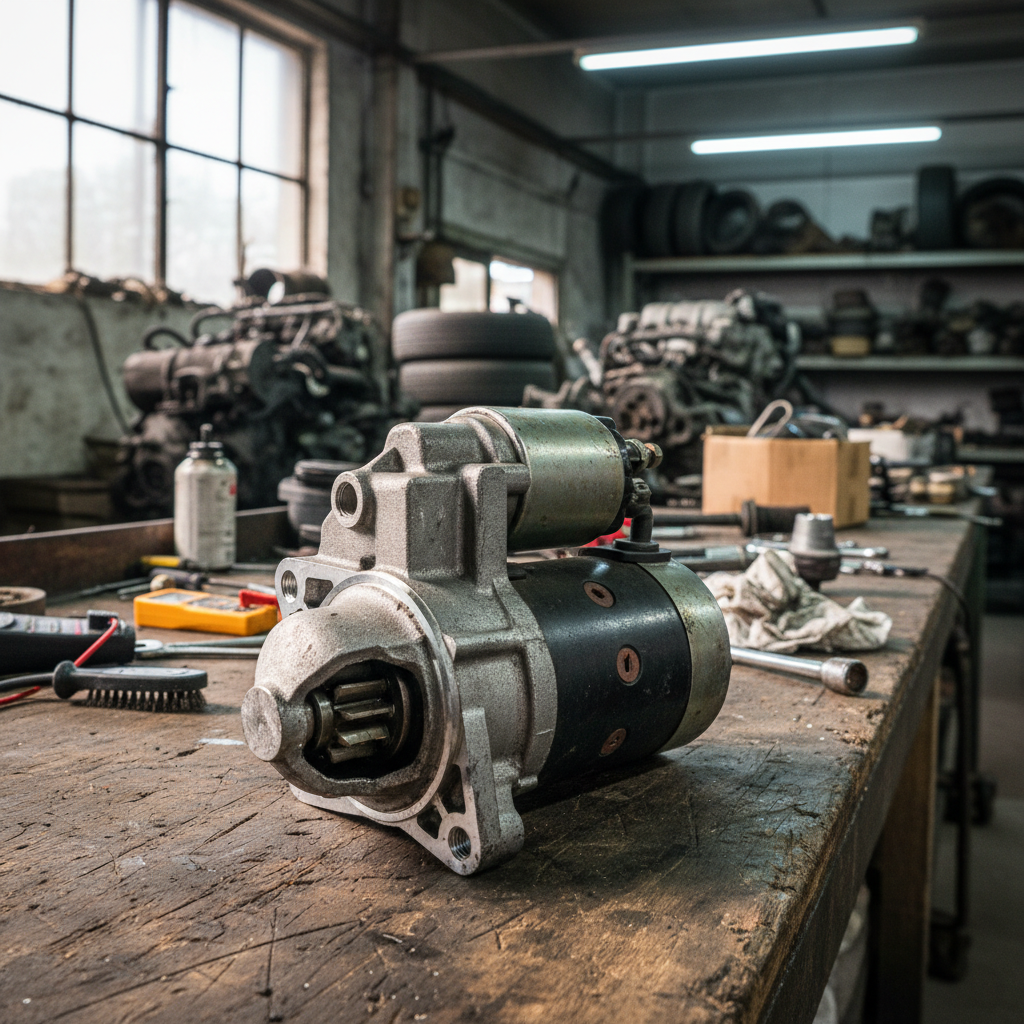
The starter motor is a powerful electric motor that turns over your engine to initiate the combustion cycle. It consists of two primary components: the solenoid and the motor itself. The solenoid acts as a relay, engaging the starter’s drive gear with the engine’s flywheel and completing the electrical circuit to spin the motor. Because this component handles massive amounts of electrical current and mechanical stress, wear and tear are inevitable over time.
Top 5 Warning Signs of a Failing Starter Motor
1. The Dreaded Clicking Noise
Perhaps the most common sign of a failing starter is a single loud click or a series of rapid clicks when you try to start the engine. This sound usually indicates that the solenoid is attempting to engage but lacks the electrical strength or mechanical mobility to do so. While this can sometimes be caused by a weak battery, if your lights and radio are bright and functional, the solenoid inside the starter is likely the culprit.
2. Grinding Noises During Cranking
If you hear a harsh grinding noise that sounds like metal-on-metal, it is a sign that the starter’s drive gear (the pinion) is not properly aligning with the engine’s flywheel. This can happen if the gear is worn down or if the mounting bolts have loosened. Ignoring this symptom is dangerous; a malfunctioning starter can eventually strip the teeth off your flywheel, leading to a much more expensive repair involving the transmission removal.
3. Smoke or the Smell of Burning Electrical Components
The starter motor is a high-draw electrical system. If you continue to crank the engine when it won’t start, the motor can overheat. This leads to a distinct burning smell and, in extreme cases, visible smoke coming from under the hood. This usually indicates a short circuit or that the internal brushes and coils have reached their thermal limit. If you see smoke, stop attempting to start the car immediately.
4. The Starter “Freewheels”
Freewheeling occurs when you hear a high-pitched whining sound (like an electric drill) but the engine doesn’t crank at all. This happens when the starter motor spins, but the Bendix drive (the mechanism that pushes the gear forward) fails to engage the flywheel. In this scenario, the motor is working, but the mechanical connection to the engine is broken.
5. Intermittent Starting Issues
Sometimes the car starts perfectly, and other times it takes three or four tries. This is often caused by “dead spots” on the internal armature or a failing solenoid contact. Heat soak can also play a role; a starter might work fine when the engine is cold in Cherry Hill, but fail to restart after a long drive once the components have expanded from the heat.
Starter vs. Battery vs. Alternator: How to Tell the Difference
Before you purchase recycled car parts, it is vital to ensure you are fixing the right problem. Use the following table to help differentiate between common ignition system failures.
| Symptom | Likely Culprit | Diagnostic Check |
|---|---|---|
| Rapid Clicking / Dim Lights | Battery | Check voltage with a multimeter (should be 12.6V). |
| Single Click / Bright Lights | Starter Solenoid | Check for 12V signal at the starter trigger wire. |
| Engine Dies While Driving | Alternator | Check charging voltage (should be 13.5V – 14.5V). |
| Grinding Sound | Starter Gear | Inspect starter mounting and flywheel teeth. |
Why Used OEM Parts Beat Cheap Aftermarket Alternatives
When faced with a $400 repair, many drivers in Philadelphia or Camden are tempted by “budget” aftermarket starters found on big-box websites. However, there is a significant difference in quality. Most cheap aftermarket starters are built with thinner copper windings, inferior magnets, and lower-grade bushings to save on costs. These units often fail within 6 to 12 months.
By choosing OEM parts (Original Equipment Manufacturer) from JP Auto Hub, you are getting a component designed specifically for your vehicle’s torque requirements and electrical system. Our recycled car parts are original factory units that have been inspected for quality. They offer the perfect balance of durability and affordability.
The Benefits of Buying from JP Auto Hub:
- Precision Fit: No modifications or “universal” brackets required.
- Reliability: OEM internal components are built to last 100,000+ miles.
- Sustainability: Buying used parts reduces industrial waste and energy consumption.
- Local Expertise: We understand the needs of drivers in the NJ, PA, and MD tri-state area.
How to Test Your Starter at Home
If you are mechanically inclined, you can perform a “bypass test” or a “tap test.” Sometimes, gently tapping the starter housing with a hammer while someone else turns the key can jar the internal components into alignment one last time—just enough to get you to a shop. However, this is a temporary fix. For a permanent solution, you should browse our inventory of used auto parts to find a replacement that fits your specific make and model.
📹 Recommended Video
For a visual guide, search “Step by step guide to testing a car starter motor with a screwdriver and multimeter” on
YouTube.
Source Your Parts from a Trusted Leader
At JP Auto Hub, we pride ourselves on being the premier destination for recycled car parts in the Northeast. Whether you are a professional mechanic in Annapolis or a DIY enthusiast in Philadelphia, we provide the high-quality OEM parts you need to get back on the road safely.
Don’t let a failing starter leave you stranded. If you’ve noticed any of the five signs mentioned above, it is time to act. Visit our online shop today to find a replacement starter, or contact us if you have questions about compatibility for your specific vehicle. Quality, reliability, and local service—that is the JP Auto Hub promise.





Copyright 2025 © J&P All right reserved. Powered by IzyoX
