
The Best Way to Shop for Used Auto Parts Online with Confidence
The Best Way to Shop for Used Auto Parts Online with Confidence
In the modern era of automotive repair, the digital marketplace has become the primary destination for both professional mechanics and DIY enthusiasts. Whether you are performing a routine repair in Wilmington, Delaware, or tackling a major engine overhaul in Philadelphia, Pennsylvania, knowing how to source high-quality used auto parts is a critical skill. This guide explores the technical nuances of the industry and explains why sourcing recycled car parts from a trusted provider like JP Auto Hub is the most reliable strategy for your vehicle’s longevity.
The Landscape of the Used Auto Parts Market
The automotive secondary market is divided into two primary categories: aftermarket components and OEM parts (Original Equipment Manufacturer). While aftermarket parts are brand new, they are often manufactured by third-party companies using different specifications, materials, and tolerances than the original factory components. In contrast, recycled car parts are genuine components salvaged from donor vehicles. These parts were designed specifically for your vehicle’s make and model, ensuring a level of engineering integrity that generic alternatives simply cannot match.
Why OEM Quality Matters for Performance
When you purchase used auto parts that are genuine OEM, you are investing in the research and development of the original vehicle manufacturer. For drivers in Newark, Delaware and Dover, Delaware, where seasonal temperature fluctuations can stress mechanical components, the material science behind OEM parts becomes vital. OEM parts use specific alloys and plastics tested for thermal expansion and structural stress, whereas cheap aftermarket parts often use inferior materials to keep costs low.
How to Vet an Online Used Auto Parts Supplier
Shopping online requires a level of due diligence to ensure you are receiving a functional, high-quality component. Not all salvage yards or online marketplaces are created equal. When evaluating a supplier like JP Auto Hub, consider the following technical criteria:
- Inventory Transparency: Does the supplier provide the exact mileage of the donor vehicle?
- Testing Protocols: Are electrical components bench-tested and are mechanical parts visually inspected for fractures or leaks?
- VIN Matching: Does the supplier utilize VIN (Vehicle Identification Number) verification to ensure the part is compatible with your specific trim level and production date?
- Shipping Logistics: For heavy items like transmissions or engines, does the supplier have a robust logistics network reaching Philadelphia and Wilmington?
| Feature | Used OEM Parts (JP Auto Hub) | Cheap Aftermarket Parts |
|---|---|---|
| Fitment | 100% Factory Precision | Variable / May require modification |
| Material Quality | High-grade alloys and polymers | Standardized, often lower-cost materials |
| Durability | Proven through vehicle lifespan | Unpredictable |
| Value Retention | Maintains vehicle’s original integrity | Can lower resale value |
The Environmental and Economic Impact of Recycled Car Parts
Choosing recycled car parts is not just a financial decision; it is an environmental one. The energy required to manufacture a new alternator or cylinder head is significantly higher than the energy required to refurbish and ship an existing one. By sourcing from JP Auto Hub, consumers in the Mid-Atlantic region contribute to a circular economy that reduces landfill waste and the carbon footprint of the automotive industry.
Technical Deep Dive: Sourcing Transmissions and Engines
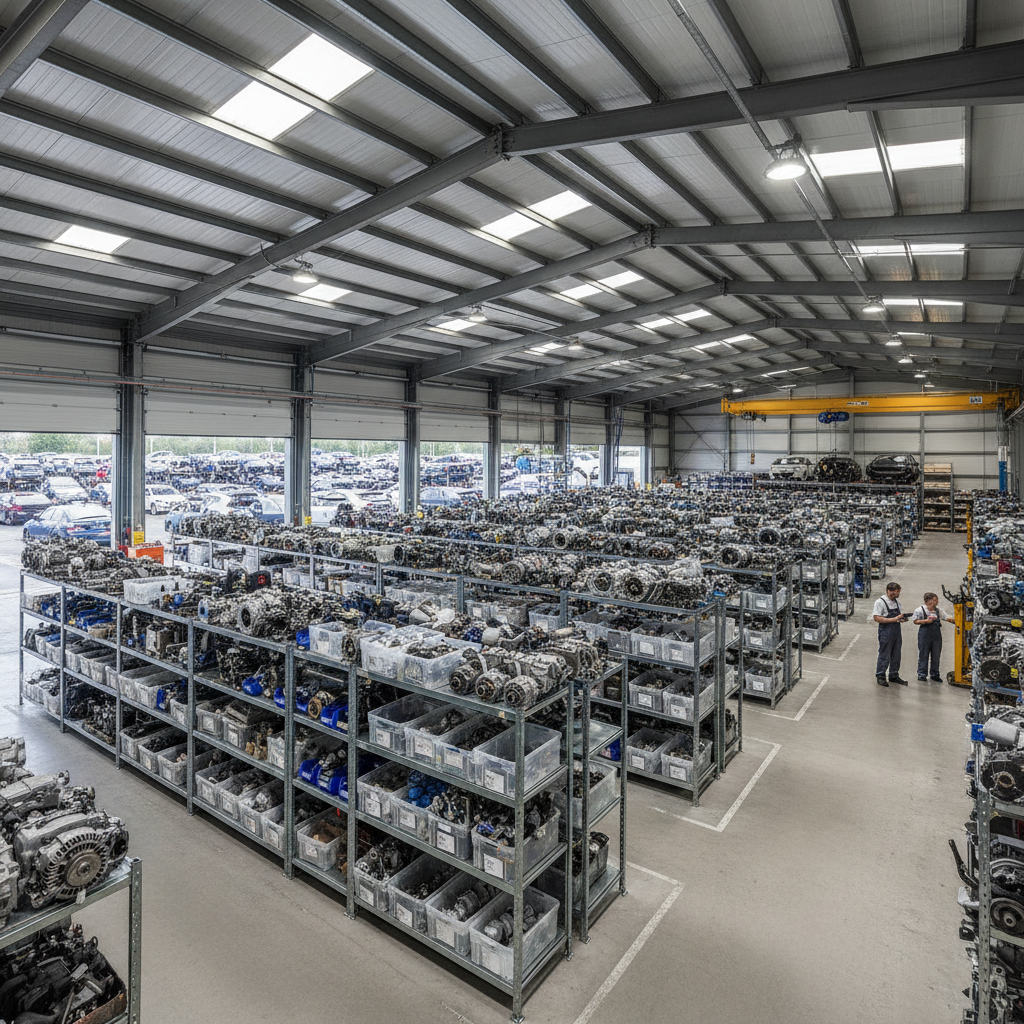
High-ticket items like engines and transmissions require the most scrutiny. When shopping for these used auto parts, look for details regarding compression tests (for engines) and fluid clarity (for transmissions). A reputable seller will provide clear documentation of these metrics. For instance, if you are located in Dover or Newark, having these parts shipped from a localized hub ensures that the transit time is minimized, reducing the risk of corrosion or damage during shipping.
📹 Recommended Video
For a visual guide, search “how to identify high quality used auto parts at a salvage yard” on
YouTube.
The Risks of Cheap Aftermarket Alternatives
It is tempting to choose the lowest price point when browsing online, but “cheap” often comes with a hidden cost. Aftermarket sensors, for example, frequently have different resistance values than OEM sensors, which can trigger “Check Engine” lights and lead to poor fuel economy. Similarly, aftermarket body panels may not have the same crumple-zone characteristics as OEM parts, potentially compromising safety in the event of a collision. JP Auto Hub focuses on providing genuine parts that maintain the safety and performance standards set by the manufacturer.
Step-by-Step Guide to Ordering with Confidence
- Identify Your Part Number: Look for the stamp on your existing part or use your VIN to find the exact part number.
- Compare Condition Grades: Understand the difference between Grade A (low mileage/minimal wear) and Grade B (standard wear).
- Check the Warranty: Ensure the supplier offers a clear return policy or limited warranty on mechanical components.
- Confirm Shipping Details: Verify that the supplier delivers to your specific location in Wilmington, Philadelphia, or surrounding areas.
Conclusion: Trusting the Experts at JP Auto Hub
Navigating the world of used auto parts doesn’t have to be a gamble. By prioritizing OEM parts and choosing a supplier with a proven track record for quality and transparency, you can maintain your vehicle for a fraction of the cost of new parts. Whether you are a professional shop in Philadelphia or a car owner in Delaware, JP Auto Hub provides the technical expertise and inventory needed to get you back on the road with confidence. If you have specific questions about a part or need assistance with VIN matching, do not hesitate to contact us today.





Copyright 2025 © J&P All right reserved. Powered by IzyoX
