
What to Look for When Buying a Recycled Engine Assembly
What to Look for When Buying a Recycled Engine Assembly: The Ultimate Guide
When your vehicle’s heart stops beating, the financial and logistical pressure can be overwhelming. Whether you are a daily commuter in Philadelphia, Pennsylvania, or navigating the busy streets of Washington, D.C., an engine failure often presents a difficult choice: buy a new car or invest in an engine replacement. For many, the most cost-effective and environmentally friendly solution is purchasing recycled car parts, specifically a complete engine assembly.
However, not all used auto parts are created equal. Navigating the salvage market requires a blend of technical knowledge and a keen eye for detail. At JP Auto Hub, we specialize in providing high-quality OEM parts that breathe new life into vehicles without the astronomical price tag of a factory-new crate engine. This guide will walk you through everything you need to know to make an informed purchase.
The Core Benefits of Recycled OEM Parts vs. Aftermarket Alternatives
When searching for a replacement engine, you may encounter ‘aftermarket’ components or ‘remanufactured’ units. While these have their place, a recycled engine assembly—specifically one that is an Original Equipment Manufacturer (OEM) part—offers distinct advantages. OEM parts were designed by the vehicle’s original manufacturer specifically for your make and model. This ensures that every bolt hole, sensor plug, and mounting bracket aligns perfectly.
Why OEM Matters
- Precision Engineering: Aftermarket parts are often reverse-engineered, which can lead to slight variances in tolerances that cause premature wear.
- Material Quality: OEM assemblies use the exact alloys and composites specified by the manufacturer’s engineers.
- Plug-and-Play Compatibility: Using recycled car parts from the same production year avoids the electrical headaches often associated with generic components.
Technical Inspection Checklist: What to Verify Before You Buy
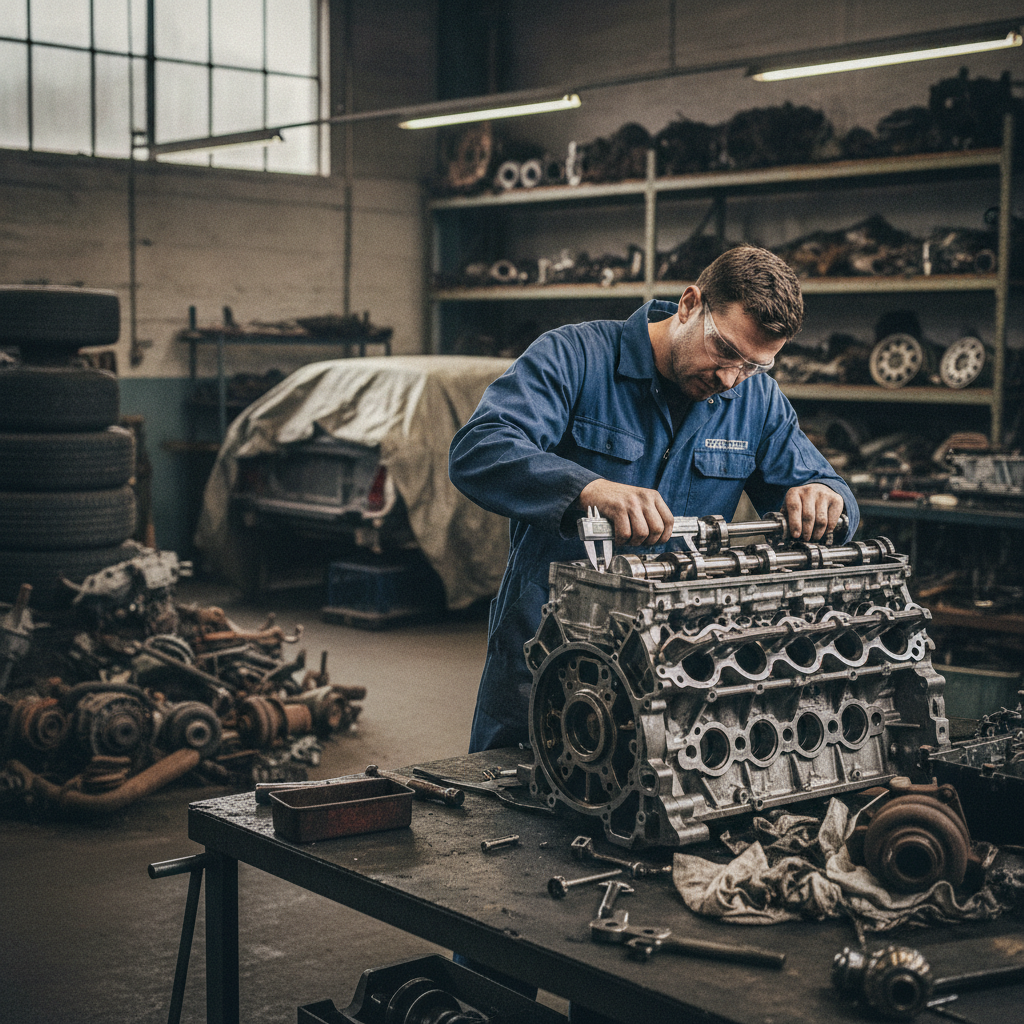
Buying a recycled engine assembly isn’t just about finding the right price; it’s about verifying the mechanical integrity of the unit. If you are sourcing parts in Baltimore, Maryland or Annapolis, Maryland, you should look for suppliers like JP Auto Hub who provide transparent data on their inventory.
1. Mileage Verification
While mileage isn’t the only indicator of health, it is a primary factor in determining the remaining life of the engine. Always ask for the odometer reading of the donor vehicle. Generally, engines with under 100,000 miles are considered prime candidates for recycling.
2. Visual Inspection for Leaks and Damage
Examine the engine block and cylinder heads for signs of trouble. Look for:
- Oil Seepage: Check the head gaskets, valve covers, and oil pan.
- Corrosion: While surface rust on cast iron components is common, heavy corrosion on aluminum parts can indicate exposure to harsh elements or flooding.
- Cracked Castings: Inspect the block for any hairline fractures that could lead to catastrophic failure under heat and pressure.
3. The ‘Oil and Coolant’ Test
Pull the dipstick and remove the oil fill cap. The oil should be translucent or dark brown—not milky. A ‘milkshake’ consistency indicates that coolant has mixed with the oil, usually due to a blown head gasket. Similarly, check the water pump and thermostat housing for signs of ‘crusty’ buildup, which suggests a history of overheating.
| Component | Good Sign | Warning Sign |
|---|---|---|
| Oil Consistency | Clear/Amber or Black | Milky/Frothy (Water Contamination) |
| Spark Plugs | Dry, Tan/Grey Color | Oily, Black, or Melted |
| Throttle Body | Clean or Light Carbon | Heavy Sludge or Metal Shavings |
| Exhaust Ports | Dry Soot | Wet Oil or Green Coolant Stains |
The Importance of VIN Matching
Modern vehicles are highly complex. Even within the same model year, manufacturers may change sensor types, fuel rail designs, or emissions equipment. To ensure the used auto parts you buy will actually work, you must match the Engine Code or the VIN (Vehicle Identification Number). At JP Auto Hub, our specialists use advanced databases to ensure the engine assembly you receive is a 100% match for your vehicle’s computer system (ECU).
Understanding the Warranty and Return Policy
A reputable seller of recycled car parts will always stand behind their product. When shopping in the Mid-Atlantic region, from Philadelphia to Washington, D.C., ensure your purchase includes a functional warranty. This warranty should cover the engine block, rotating assembly, and cylinder heads. Be sure to clarify if the warranty covers labor (rare in the used parts industry) or just the replacement of the unit itself.
📹 Recommended Video
For a visual guide, search “how to inspect a used engine before buying guide” on
YouTube.
Preparing for the Installation
Once you’ve selected a high-quality engine from JP Auto Hub, preparation is key to a successful swap. We recommend replacing ‘wear items’ while the engine is out of the vehicle and easily accessible. This includes:
- New Timing Belt or Chain (if applicable)
- Water Pump and Thermostat
- Rear Main Seal
- Spark Plugs and Ignition Coils
- Fresh Fluids and Filters
By replacing these inexpensive parts now, you prevent having to pull the engine again six months down the road for a minor leak or a failed pump.
Why JP Auto Hub is the Premier Choice in the Mid-Atlantic
Residents of Baltimore, Annapolis, and surrounding areas need a reliable partner in automotive repair. JP Auto Hub isn’t just a salvage yard; we are a technology-driven source for high-quality OEM parts. We understand the specific needs of drivers in the Northeast, where road salt and stop-and-go traffic in cities like Washington, D.C. can take a toll on vehicles.
By choosing a recycled engine assembly from us, you are making a choice that is:
- Economical: Save up to 60-70% compared to the cost of a new engine.
- Sustainable: Recycling an engine saves the massive amount of energy required to manufacture a new one from raw ore.
- Reliable: Our rigorous testing and inventory standards mean you get a part that is ready to perform.
Conclusion
Buying a recycled engine assembly is a smart, strategic move for any vehicle owner looking to extend the life of their car. By focusing on OEM parts, performing a thorough technical inspection, and sourcing from a trusted provider like JP Auto Hub, you can get back on the road with confidence. Whether you are in Philadelphia, Baltimore, or Annapolis, our team is ready to help you find the perfect match for your vehicle. Visit our online shop today or contact us to speak with an engine specialist.





Copyright 2025 © J&P All right reserved. Powered by IzyoX
