

Common High-Mileage Transmission Problems and the Best Replacement Approach
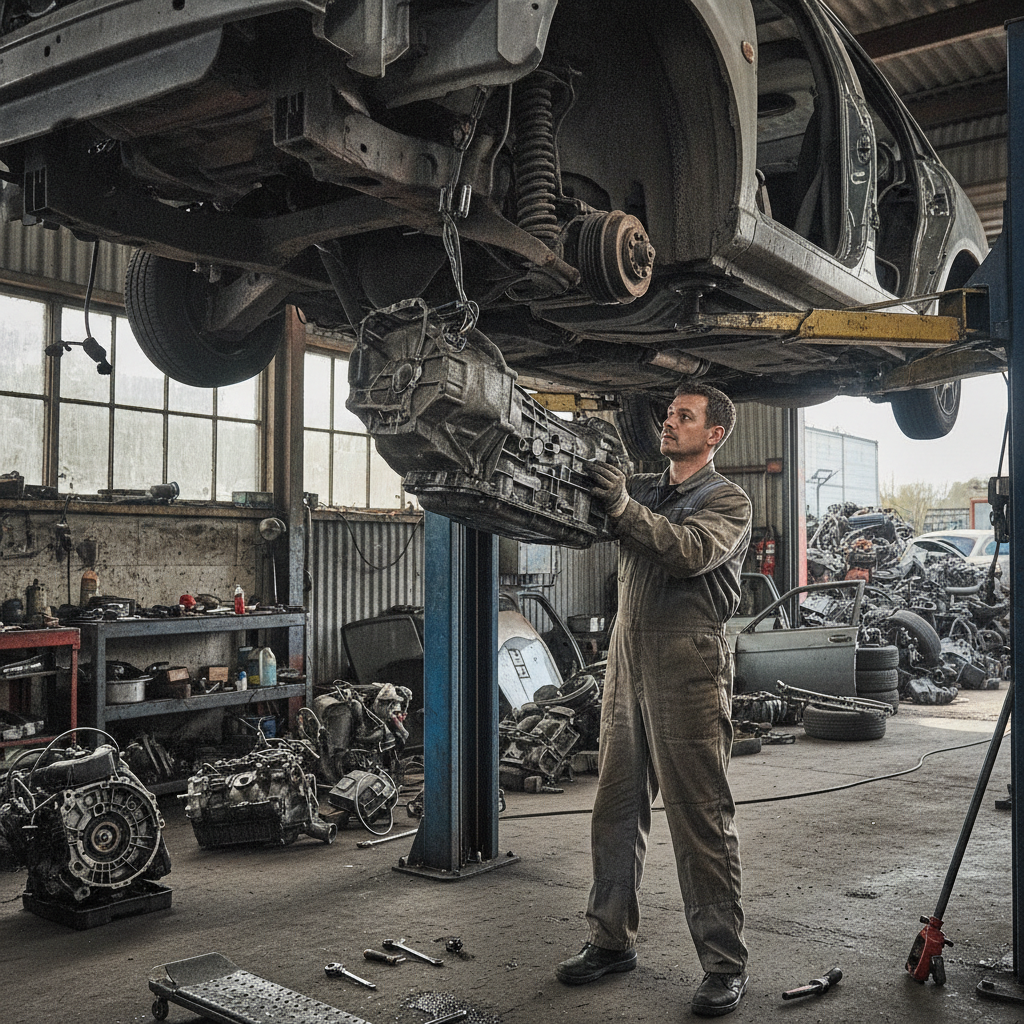
Common High-Mileage Transmission Problems and the Best Replacement Approach
For vehicle owners in the Mid-Atlantic region—from the bustling streets of Baltimore, Maryland, to the commuter corridors of Wilmington and Newark, Delaware—the transmission is the heart of the driving experience. However, as vehicles cross the 100,000-mile threshold, the transmission often becomes the primary point of failure. Understanding these failures and knowing where to source high-quality used auto parts can save you thousands of dollars while keeping your vehicle on the road for years to come.
At JP Auto Hub, we specialize in providing high-integrity recycled car parts that offer a superior alternative to expensive new units or low-quality aftermarket substitutes. In this comprehensive guide, we will analyze the technical failures of high-mileage transmissions and the most logical path to restoration.
The Anatomy of Transmission Failure in High-Mileage Vehicles
Modern transmissions are marvels of engineering, containing hundreds of precision components working in synchronization. Whether you drive a CVT, a traditional torque-converter automatic, or a dual-clutch system, mileage and thermal stress eventually take their toll. In areas like Annapolis, Maryland, where stop-and-go traffic is common, the heat generated within a transmission can accelerate the degradation of internal components.
1. Transmission Slipping
Slipping is perhaps the most common symptom reported by high-mileage drivers. You may notice the engine revving higher without a corresponding increase in vehicle speed, or the car may spontaneously pop out of gear. This is typically caused by worn-out friction plates or a failing pressure regulator. When the internal clutches can no longer grip, the transmission loses its ability to transfer power effectively.
2. Delayed Engagement and Hesitation
If you shift from ‘Park’ to ‘Drive’ and experience a multi-second delay before the vehicle moves, your transmission is signaling a pressure problem. This is often due to hardened seals or a clogged internal filter. In the colder winters of Newark, Delaware, these hardened seals can fail to hold pressure until the fluid reaches operating temperature, leading to internal scarring.
3. Fluid Leaks and Oxidation
Transmission fluid is the lifeblood of the system, serving as a lubricant, a coolant, and a hydraulic fluid. Over time, gaskets and seals fail. If you notice red or brown puddles under your car, immediate action is required. Furthermore, high mileage often leads to ‘burnt’ fluid. If your dipstick smells like burnt toast, the internal components are likely overheating and sustaining permanent damage.
Diagnostic Steps for Maryland and Delaware Drivers
Before jumping to a total replacement, a proper diagnosis is essential. Most modern vehicles will trigger a ‘Check Engine’ light or a ‘Transmission Service’ warning. Using an OBD-II scanner to pull codes (such as P0700 series codes) can pinpoint whether the issue is electronic (solenoids and sensors) or mechanical (gears and clutches).
| Problem Type | Common Symptom | Likely Root Cause |
|---|---|---|
| Electronic | Erratic Shifting | Failing Shift Solenoid |
| Mechanical | Grinding Noises | Worn Bearings or Planetary Gears |
| Hydraulic | Slipping Gears | Low Fluid or Failing Pump |
| Thermal | Burning Smell | Fluid Oxidation / Excessive Friction |
📹 Recommended Video
For a visual guide, search “how to diagnose transmission slipping and replacement guide” on
YouTube.
The Replacement Dilemma: New, Rebuilt, or Used OEM?
When a transmission failure is confirmed as mechanical, you face three primary options. Understanding the nuances of each is critical for your wallet and your vehicle’s longevity.
The Pitfalls of Cheap Aftermarket Parts
Many ‘budget’ repair shops suggest aftermarket components. However, transmissions are highly sensitive to tolerances. Aftermarket parts often lack the precise metallurgy and heat-treatment specifications of OEM parts. This can lead to premature failure, often within 12 months of the repair.
The Case for Recycled Car Parts from JP Auto Hub
Choosing recycled car parts is not just about saving money; it is about maintaining the original engineering integrity of your vehicle. A used OEM transmission from a low-mileage donor vehicle is often superior to a ‘rebuilt’ unit from a local shop because it was assembled in a climate-controlled factory to exact manufacturer specifications.
At JP Auto Hub, we meticulously source our used auto parts to ensure they meet rigorous standards. For drivers in Wilmington and Baltimore, this means getting a component that fits perfectly and communicates seamlessly with the vehicle’s Engine Control Module (ECM).
Why JP Auto Hub is the Trusted Choice in the Mid-Atlantic
We understand that a transmission replacement is a significant investment. Residents of Annapolis and Newark trust JP Auto Hub for several key reasons:
- Quality Assurance: Every transmission we sell is inspected for fluid clarity, gear engagement, and casing integrity.
- Cost Savings: A used OEM transmission can save you 50% to 70% compared to the cost of a brand-new unit from a dealership.
- Environmental Impact: By choosing recycled parts, you are reducing the demand for new manufacturing and keeping high-quality steel and aluminum out of landfills.
- Inventory Depth: We carry a wide range of transmissions for domestic, European, and Asian imports.
Installation Tips for a Successful Transmission Swap
Once you have sourced your high-quality OEM parts from us, the installation process is vital. We recommend the following steps to ensure your replacement transmission lasts another 100,000 miles:
- Flush the Cooler Lines: Never install a replacement transmission without flushing the cooling lines. Debris from the old, failed unit can migrate into your ‘new’ transmission and cause immediate damage.
- Replace the Rear Main Seal: While the transmission is out, it is the perfect time to replace the engine’s rear main seal. It is a low-cost part that requires the transmission to be removed for access.
- Use the Correct Fluid: Always use the manufacturer-specified fluid. Using a ‘universal’ fluid in a CVT or a specialized 10-speed automatic can lead to erratic shifting.
- Reset Adaptive Learning: Most modern vehicles require a scan tool to reset the transmission’s adaptive learning parameters so it can adjust to the wear patterns of the replacement unit.
Conclusion: Restore Your Vehicle’s Performance Today
A failing transmission doesn’t have to mean the end of your car’s life. By identifying the signs of wear early and choosing the right replacement strategy, you can enjoy many more miles of reliable driving. For the best selection of used auto parts in the Wilmington, Newark, Annapolis, and Baltimore areas, look no further than the experts at JP Auto Hub.
Don’t settle for inferior aftermarket solutions. Invest in the reliability of OEM parts and the proven track record of recycled car parts. If you are ready to get your vehicle back on the road, contact us today or browse our extensive online inventory to find the perfect match for your vehicle.





Copyright 2025 © J&P All right reserved. Powered by IzyoX
