

How to Tell If Your Alternator Is Failing Before It Leaves You Stranded
How to Tell If Your Alternator Is Failing Before It Leaves You Stranded
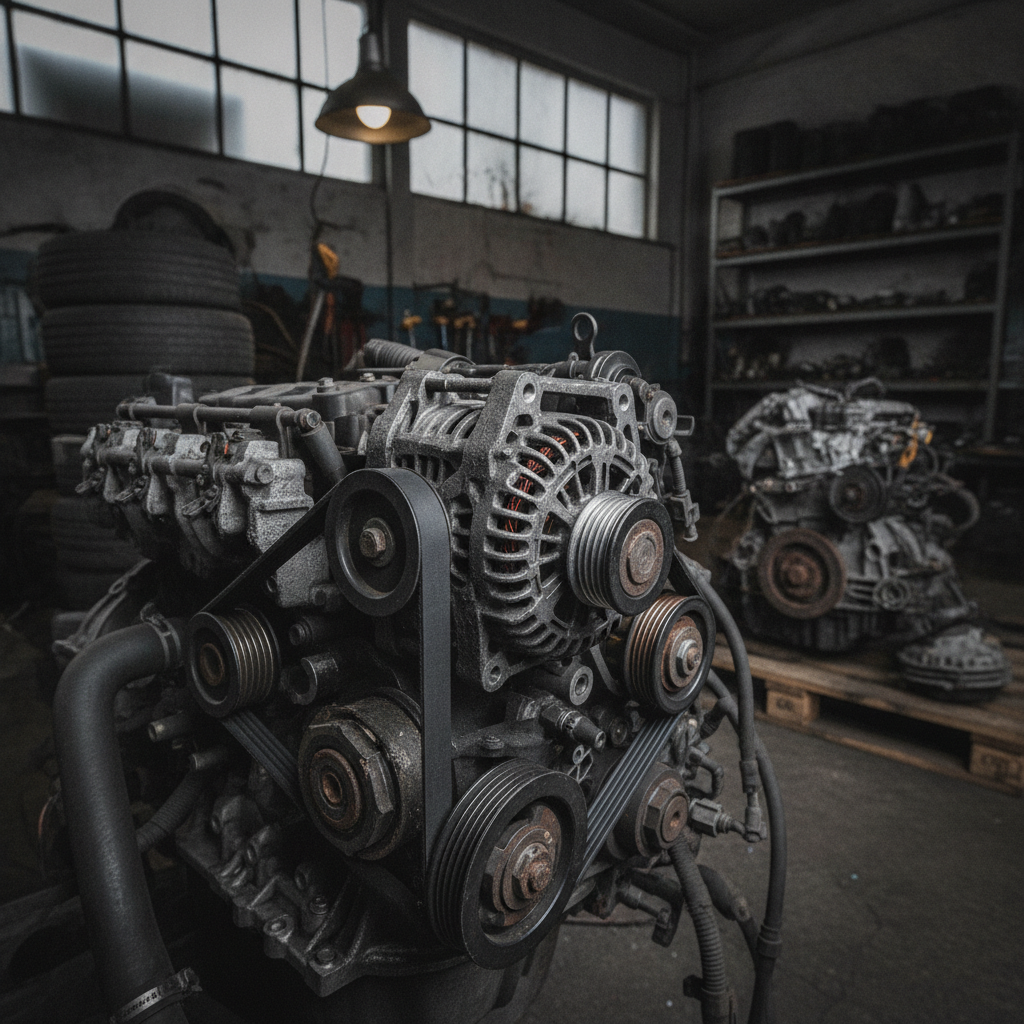
Whether you are navigating the morning commute in Philadelphia, PA, or driving through the historic streets of Baltimore, MD, your vehicle’s reliability depends on a complex dance of mechanical and electrical components. Among the most critical is the alternator. Often overshadowed by the battery, the alternator is the true powerhouse of your vehicle, responsible for charging the battery and powering the electrical systems while the engine is running.
When an alternator begins to fail, it rarely happens without warning. However, many drivers in the Mid-Atlantic region—from Camden, NJ, to Dover, DE—ignore these subtle cues until they are stranded on the side of the road. In this guide, we will explore the technical indicators of a failing alternator and explain why sourcing recycled car parts and OEM parts from JP Auto Hub is the most cost-effective and reliable way to get back on the road.
The Critical Role of the Alternator
The alternator is an electromechanical device that converts mechanical energy into alternating current (AC) through electromagnetism. This AC is then converted to direct current (DC) via a bridge rectifier to charge your car’s 12-volt battery and provide power to everything from your headlights to your infotainment system. Unlike a battery, which provides the initial surge to start the engine, the alternator maintains the electrical load once the vehicle is in motion.
7 Warning Signs Your Alternator is Dying
1. Dim or Overly Bright Lights
As the alternator loses its ability to regulate voltage, you may notice your headlights or interior lights flickering, appearing unusually dim, or becoming excessively bright. This instability is a hallmark of a failing internal voltage regulator.
2. A Dead or Weak Battery
While batteries have a finite lifespan (typically 3-5 years), a dead battery is often a symptom of an alternator that isn’t providing a sufficient charge. If you jump-start your car and it dies again shortly after, the alternator is the likely culprit.
3. Slow or Malfunctioning Accessories
Modern vehicles are packed with electronics. If your power windows are moving slower than usual, or your heated seats suddenly cut out, the vehicle’s computer may be shedding non-essential electrical loads to preserve power for the engine’s ignition system.
4. Strange Noises
Alternators rely on a series of bearings to spin freely. If these bearings wear out, you may hear a high-pitched whining or a low-frequency growling sound coming from the engine bay. Additionally, a worn serpentine belt—which drives the alternator—may squeal upon startup.
5. The Smell of Burning Rubber or Wires
An overworked alternator or a slipping belt can produce a distinct odor of burning rubber. If the internal wiring is overheating due to a short circuit, you might smell an electrical fire scent, similar to a hot toaster.
6. Dashboard Warning Lights
Most modern cars have a dedicated warning light for the charging system. This may look like a battery icon or be labeled ‘ALT’ or ‘GEN’. If this light illuminates, your vehicle is likely running solely on battery power, and you have limited time before the engine stalls.
7. Frequent Stalling
The engine’s spark plugs require a constant stream of electricity to ignite the fuel-air mixture. If the alternator cannot maintain that supply, the engine will misfire or stall completely, especially at low speeds or idle.
Technical Diagnosis: The Voltmeter Test
If you suspect a failure, you can perform a basic diagnostic test using a multimeter. This table outlines what to look for:
| Condition | Expected Voltage | Diagnosis |
|---|---|---|
| Engine Off | 12.6V | Healthy Battery |
| Engine Running (Idle) | 13.8V – 14.4V | Healthy Alternator |
| Engine Running (High Load) | 13.2V – 14.8V | Normal Charging |
| Under 13V (Running) | < 13.0V | Alternator Failure Likely |
📹 Recommended Video
For a visual guide, search “how to test car alternator with a multimeter tutorial” on
YouTube.
Why Used OEM Parts Beat Cheap Aftermarket Alternatives
When it comes time for a replacement, many drivers are tempted by “budget” aftermarket alternators found at big-box retailers. However, these units are often manufactured with lower-quality copper windings and inferior bearings to keep costs down. This frequently leads to premature failure, sometimes within months of installation.
At JP Auto Hub, we advocate for the use of recycled car parts. Here is why choosing a used OEM alternator is the smarter path:
- Perfect Fitment: Genuine OEM parts are designed specifically for your vehicle’s make and model, ensuring all mounting points and electrical connectors align perfectly.
- Superior Durability: Original equipment manufacturers (like Denso, Bosch, or Mitsubishi Electric) use high-grade materials that far exceed the quality of generic aftermarket brands.
- Sustainability: Buying used auto parts reduces the environmental impact of manufacturing new components and keeps high-quality machinery in use.
- Cost Savings: You can often secure a premium OEM unit from a low-mileage donor vehicle for a fraction of the price of a new dealership part.
The JP Auto Hub Advantage in the Mid-Atlantic
For residents in Philadelphia, PA, Camden, NJ, Baltimore, MD, and Dover, DE, finding reliable used auto parts shouldn’t be a gamble. JP Auto Hub specializes in sourcing high-quality, tested components that meet rigorous standards. We understand the local climate—where humid summers and freezing winters put extra strain on your vehicle’s electrical system—and we provide parts that are up to the challenge.
By choosing recycled car parts from a trusted source, you are not just saving money; you are ensuring your vehicle remains as reliable as the day it left the factory.
[IMAGE_PLACE_HOLDER_3]
Conclusion: Don’t Get Stranded
Your alternator is the heart of your car’s electrical system. By recognizing the signs of failure early—such as flickering lights, strange noises, or dashboard warnings—you can address the issue before it turns into an emergency. When you’re ready to repair, skip the low-quality aftermarket options and choose the reliability of OEM parts.
Ready to find the perfect replacement? Browse our extensive inventory at the JP Auto Hub Shop or contact us today to speak with one of our experts. We serve the entire Philadelphia, Baltimore, and Delaware region with the highest quality used auto parts available.





Copyright 2025 © J&P All right reserved. Powered by IzyoX
