
The Best Way to Match Used Exterior Parts for Fit and Finish
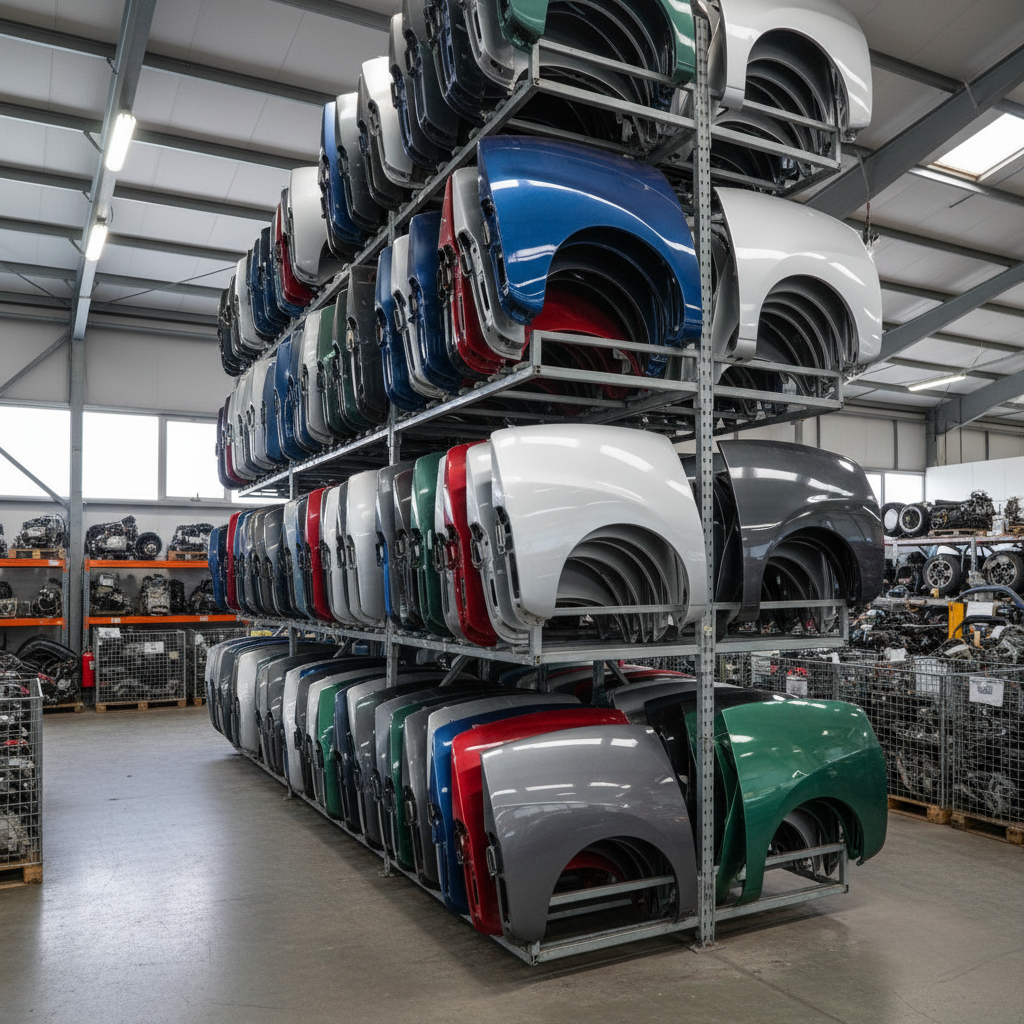
The Best Way to Match Used Exterior Parts for Fit and Finish
When it comes to vehicle repair, achieving a seamless look is the ultimate goal. Whether you are restoring a classic or repairing a daily driver in Annapolis, Maryland, or Wilmington, Delaware, the challenge often lies in finding components that align perfectly with the existing body lines. The most effective way to ensure a professional result is by utilizing high-quality used auto parts that were originally manufactured for your specific vehicle. At JP Auto Hub, we specialize in providing recycled car parts that maintain the structural and aesthetic integrity of your vehicle.
Why OEM Parts Trump Aftermarket Alternatives
Many vehicle owners are tempted by the low price tags of new aftermarket body panels. However, these parts are often manufactured using thinner gauge steel or lower-grade plastics. Because they are produced by third-party manufacturers using reverse-engineered molds, they frequently suffer from ‘fitment drift’—where bolt holes don’t quite line up, or gaps between panels are uneven.
The Precision of Original Equipment Manufacturer (OEM) Standards
OEM parts are the exact components your vehicle was born with. They are stamped from the original factory dies, ensuring that every curve, mounting tab, and reinforcement beam is exactly where it needs to be. When you source used auto parts from JP Auto Hub, you are getting a component that was designed by the vehicle’s engineers to meet strict safety and aerodynamic standards.
Steps to Perfectly Match Your Exterior Parts
Matching exterior parts involves more than just finding a door or a fender from the same model year. To achieve a factory finish in Newark, Delaware, or Dover, Delaware, you must follow a technical verification process.
1. Locate and Verify the Paint Code
Never rely on visual estimation when matching colors. Automotive manufacturers use specific paint codes that account for subtle variations in metallic flake, pearl coats, and pigment density. You can typically find your paint code on the driver’s side door jamb, under the hood, or in the spare tire well. Matching this code ensures that the recycled car parts you purchase will blend seamlessly with your existing paint, even considering the natural aging of the clear coat.
2. Utilize the VIN for Trim and Feature Matching
The Vehicle Identification Number (VIN) is the most powerful tool in your arsenal. It identifies specific trim levels, sensor configurations, and mid-year production changes. For example, a front bumper for a car with parking sensors and fog lights has different internal mounting structures than a base model bumper. At JP Auto Hub, our inventory system allows us to cross-reference parts with your VIN to guarantee compatibility.
3. Account for ‘Year Range’ Variations
While a vehicle generation might run for five years, manufacturers often perform ‘facelifts’ mid-cycle. This might involve changing the shape of a headlight or the contour of a grille. Always verify the specific production date of your vehicle to ensure the used auto parts you select are from the correct sub-model year.
Comparison: Recycled OEM vs. New Aftermarket
| Feature | Used OEM (JP Auto Hub) | New Aftermarket |
|---|---|---|
| Material Quality | High-grade factory steel/aluminum | Variable (often thinner) |
| Fitment Accuracy | 100% Perfect (Original Tooling) | 75-90% (Requires Modification) |
| Corrosion Resistance | Factory E-coat and Primer | Thin transport primer only |
| Resale Value | Maintains original vehicle integrity | May decrease value due to ‘non-original’ parts |
| Price | Cost-effective | Low initial cost, high labor cost |
Inspecting Used Exterior Parts for Quality
Before purchasing recycled car parts, a thorough inspection is necessary. At JP Auto Hub, we perform these checks for you, but it is helpful to know what to look for:
- Surface Integrity: Check for ‘waves’ in the metal which indicate previous body filler work.
- Corrosion: Inspect the inner hems of doors and the lower edges of fenders for any signs of bubbling or rust.
- Mounting Points: Ensure all tabs, clips, and bolt holes are intact and not elongated.
- Seal Integrity: For parts like headlights or tail lights, check for moisture entry or cracked housings.
📹 Recommended Video
For a visual guide, search “how to match car paint codes and install used body panels tutorial” on
YouTube.
Why JP Auto Hub is the Premier Choice in MD and DE
Serving the communities of Annapolis, Wilmington, Newark, and Dover, JP Auto Hub bridges the gap between affordability and quality. Choosing recycled car parts is not just a financial decision; it is an environmentally conscious one. By reusing high-quality OEM parts, we reduce the energy consumption and raw material demand required to manufacture new components.
Our team understands the technical nuances of automotive assembly. When you contact us, you aren’t just talking to a salesperson; you’re talking to experts who understand the difference between a sport-tuned suspension fender and a standard one. We take the guesswork out of the repair process.
Installation Tips for a Professional Finish
Once you have secured your part from JP Auto Hub, follow these tips for the best installation:
- Dry Fit First: Always hang the part and check gap tolerances before final tightening. Gaps should be uniform (usually 3mm to 5mm depending on the manufacturer).
- Use Original Hardware: Whenever possible, reuse the factory bolts and clips, as they are designed for the specific torque and vibration of your vehicle.
- Professional Buffing: To perfectly match the gloss levels between an older car and a ‘new’ used part, a light machine polish across the adjacent panels can blend the finish beautifully.
Conclusion
Achieving a perfect fit and finish doesn’t require a brand-new factory part at retail prices. By leveraging the expertise and vast inventory of used auto parts at JP Auto Hub, you can restore your vehicle to its former glory without compromise. If you are in Maryland or Delaware and need assistance identifying the right component for your repair, contact us today and let our specialists guide you to the perfect match.





Copyright 2025 © J&P All right reserved. Powered by IzyoX
