
Preventing Undercarriage Rust: A Guide for New York and Jersey Drivers
Preventing Undercarriage Rust: A Comprehensive Guide for New York and Jersey Drivers
For drivers navigating the roads of the Northeast and Mid-Atlantic—from the bustling streets of New York City and Newark, New Jersey, to the historic corridors of Philadelphia, Pennsylvania, and the coastal humidity of Annapolis and Baltimore, Maryland—rust is more than an eyesore. It is a structural predator. The ‘Salt Belt’ presents a unique set of challenges that can shave years off a vehicle’s lifespan if left unaddressed. At JP Auto Hub, we see the results of corrosion daily, and we believe that understanding how to prevent and repair rust damage is essential for every vehicle owner.
The Science of Corrosion: Why the Northeast is Brutal on Cars
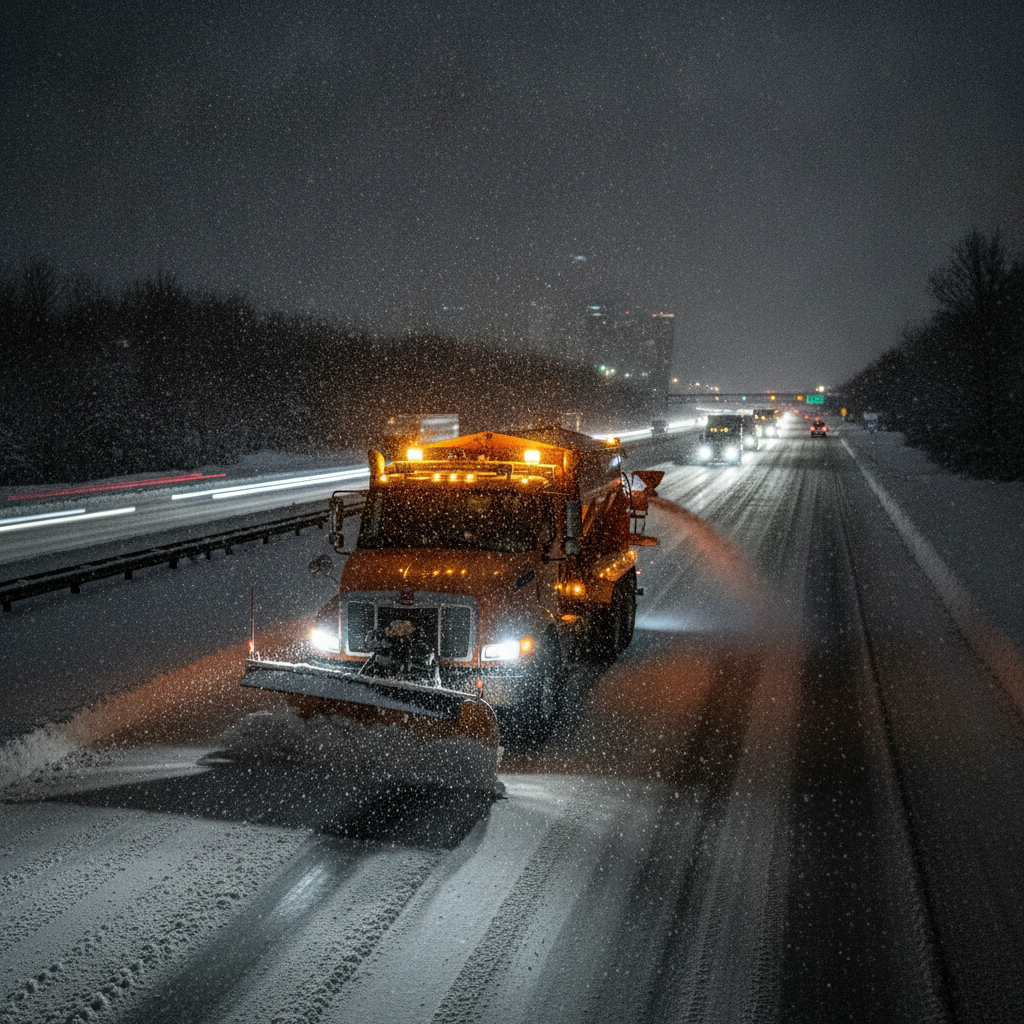
Rust, or iron oxide, occurs when iron or steel is exposed to oxygen and moisture. In cities like Philadelphia and Newark, DE, this process is accelerated by the heavy use of road salts. While traditional rock salt (sodium chloride) is common, many municipalities now use liquid brines containing magnesium chloride or calcium chloride. These chemicals are hygroscopic, meaning they attract moisture and stick to the undercarriage longer than traditional salt.
When these chemicals settle into the nooks and crannies of your vehicle’s frame, suspension, and brake lines, they create an electrochemical reaction that eats through metal. This is why sourcing high-quality OEM parts becomes critical when components finally succumb to the elements.
Critical Rust Zones: Where to Look
If you are driving in Baltimore, MD, or Annapolis, MD, the combination of road salt and salt air from the Chesapeake Bay creates a double threat. You should regularly inspect these specific areas:
- Frame and Subframes: The structural backbone of your car. Deep scale on a frame can lead to catastrophic failure.
- Brake and Fuel Lines: These thin metal tubes are often the first to leak due to corrosion.
- Suspension Components: Control arms, coil springs, and strut towers are highly susceptible.
- Exhaust Systems: High heat combined with external moisture leads to rapid oxidation.
Comparing Undercoating Methods
To protect your vehicle, several preventative measures can be taken. The following table compares the most common methods used by professionals in the New York and Jersey areas:
| Method | Pros | Cons | Best For |
|---|---|---|---|
| Rubberized Undercoating | Durable, provides sound dampening. | Can trap moisture underneath if it cracks. | New vehicles with zero existing rust. |
| Oil/Wax Based (Fluid Film) | Self-healing, creeps into tight spots. | Requires annual re-application. | Vehicles of any age, especially in high-salt areas. |
| Electronic Rust Inhibitors | No mess, easy installation. | Debatable effectiveness in real-world salt conditions. | Secondary protection only. |
The JP Auto Hub Maintenance Checklist
To keep your vehicle safe on the roads of Pennsylvania and Maryland, follow this seasonal maintenance routine:
- Post-Storm Underbody Flush: Within 48 hours of a snowstorm, use a high-pressure wash specifically targeting the undercarriage to remove salt brine.
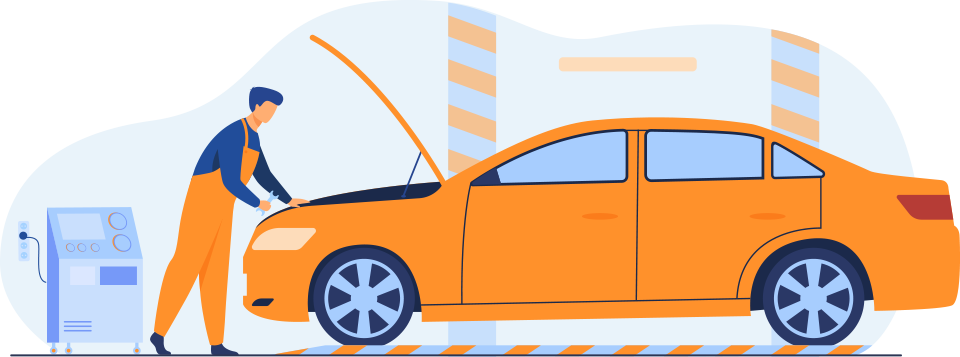
- Annual Inspection: Before winter begins, put the car on a lift to check for thinning metal or bubbling paint on the frame.
- Touch-up Painting: If you spot bare metal, clean it and apply a rust-inhibiting primer immediately.
- Sourcing Quality Replacements: When a part is too far gone, don’t settle for cheap imitations. Use recycled car parts that meet original manufacturer specifications.
📹 Recommended Video
For a visual guide, search “how to apply fluid film undercoating to car chassis” on
YouTube.
Why OEM Parts Beat Cheap Aftermarket Alternatives
When rust forces you to replace a component, such as a subframe or a control arm, the temptation to buy the cheapest possible aftermarket part is high. However, in the harsh climates of Newark and Philadelphia, this is often a mistake. OEM parts (Original Equipment Manufacturer) are designed with specific metallurgical properties and protective coatings that aftermarket ‘will-fit’ parts often lack.
At JP Auto Hub, we specialize in providing high-quality used auto parts that offer the perfect balance of affordability and durability. Because our recycled car parts are genuine OEM components, they ensure proper fitment and structural integrity—something that is non-negotiable when dealing with the safety-critical systems affected by rust.
The Environmental and Financial Benefit of Recycled Car Parts
Choosing to buy from the JP Auto Hub shop isn’t just a win for your wallet; it’s a win for the environment. By utilizing used auto parts, you are reducing the energy consumption and raw material extraction required to manufacture new steel components. Furthermore, because these are genuine parts, they often outlast new, low-grade aftermarket alternatives that may rust through in just one or two seasons.
How to Handle Advanced Corrosion
If you find that your vehicle’s undercarriage has progressed beyond surface rust into ‘scale’ (where the metal is flaking off in chunks), it is time for professional intervention. In many cases, the affected component must be replaced to ensure the vehicle remains roadworthy and can pass state inspections in NJ, PA, or MD.
Steps for Component Replacement:
- Identify the specific part number required for your VIN.
- Search the extensive inventory at JP Auto Hub for a rust-free recycled OEM part.
- Clean the mounting points on the vehicle thoroughly before installation.
- Apply a corrosion inhibitor to the new part and the surrounding hardware to prevent future galvanic corrosion.
Conclusion: Staying Ahead of the Rust
Living in the Northeast and Mid-Atlantic means accepting that road salt is a part of life. However, rust doesn’t have to be the end of your vehicle. Through diligent washing, proactive undercoating, and the use of high-quality used auto parts from JP Auto Hub, you can keep your car or truck on the road for years to come. Whether you are in Baltimore, Philadelphia, or Newark, don’t wait for a structural failure to take action.
Need help finding a specific rust-free component? Contact us today and let our experts help you find the right OEM parts to keep your vehicle safe and sound.





Copyright 2025 © J&P All right reserved. Powered by IzyoX
