
How to Find Reliable Used Electrical Components for Modern Vehicles
How to Find Reliable Used Electrical Components for Modern Vehicles
Modern vehicles are essentially rolling computers. From Advanced Driver Assistance Systems (ADAS) to complex Engine Control Units (ECUs), the electrical architecture of a car today is far more sophisticated than it was just a decade ago. When these components fail, the cost of brand-new replacements can be staggering. This has led many savvy vehicle owners and mechanics in Newark, Delaware, and Washington, D.C., to seek out used auto parts as a cost-effective alternative.
However, sourcing electrical components isn’t as simple as picking a part off a shelf. It requires technical knowledge, precise identification, and a trusted supplier like JP Auto Hub to ensure the part functions correctly and safely. In this guide, we will explore how to navigate the market for recycled car parts and why OEM parts are the only logical choice for modern electrical systems.
The Complexity of Modern Automotive Electronics
Today’s vehicles rely on a network of sensors, actuators, and modules that communicate via Controller Area Network (CAN bus) systems. A single failure in a blind-spot monitor or a transmission control module can disable critical safety features or leave a vehicle undrivable. Because these systems are so integrated, the quality of the replacement part is paramount.
Common Electrical Components Sourced Used:
- Engine Control Modules (ECM/ECU)
- Transmission Control Modules (TCM)
- Alternators and Starters
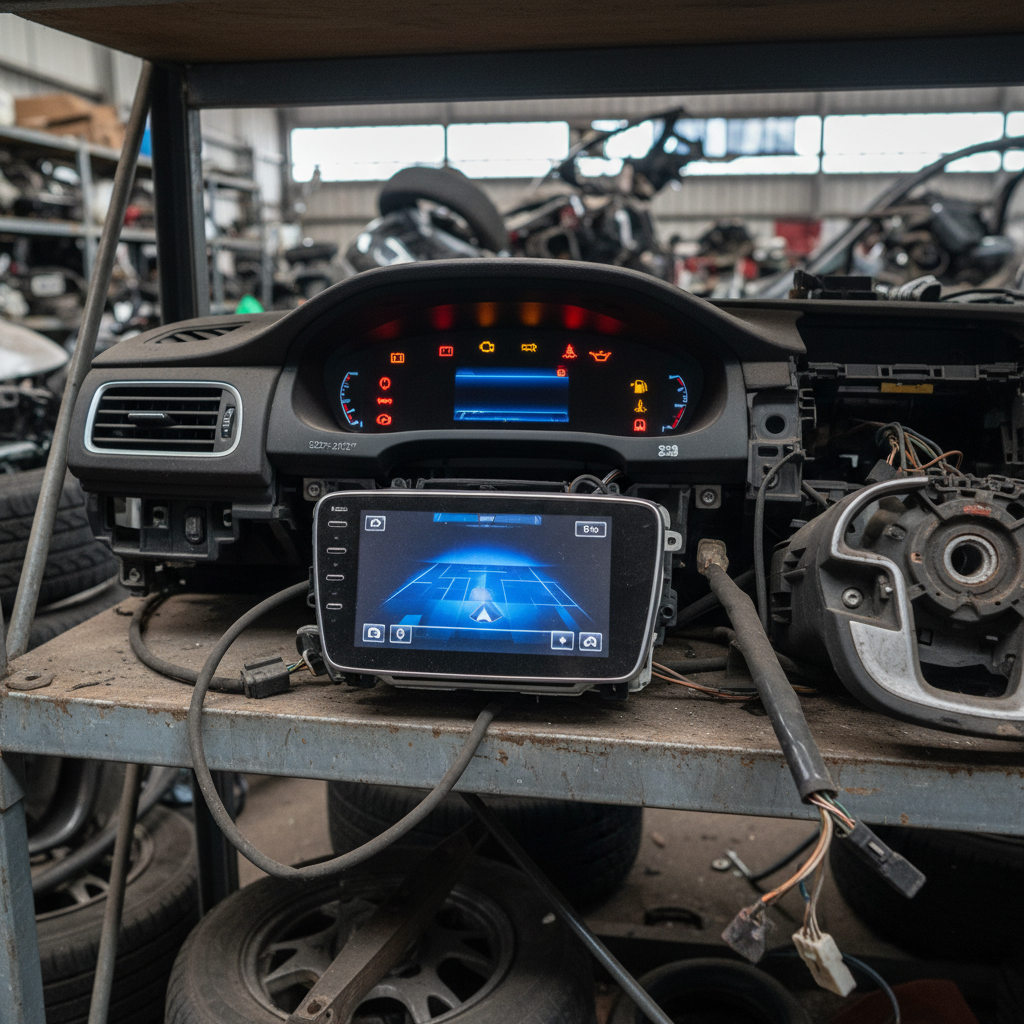
- Infotainment and Navigation Head Units
- Body Control Modules (BCM)
- ABS Control Modules
Why OEM Used Auto Parts Trump Cheap Aftermarket Alternatives
When searching for parts in Cherry Hill, New Jersey, or Dover, Delaware, you will likely encounter “new” aftermarket electrical components priced significantly lower than OEM (Original Equipment Manufacturer) equivalents. While the price tag is tempting, the technical risks are substantial.
| Feature | Used OEM Parts (JP Auto Hub) | Cheap Aftermarket Alternatives |
|---|---|---|
| Fitment | Guaranteed factory precision | Often requires modification or “close enough” fit |
| Voltage Regulation | Matches vehicle architecture exactly | Risk of voltage spikes or drops |
| Communication | Seamless CAN bus integration | May cause communication errors/U-codes |
| Durability | Built to manufacturer standards | Lower grade internal capacitors and solder |
At JP Auto Hub, we prioritize OEM parts because they were engineered specifically for your vehicle’s make and model. Aftermarket electronics often use inferior internal components that can lead to “phantom” electrical issues, which are notoriously difficult and expensive to diagnose. By choosing recycled car parts from a reputable source, you get the reliability of original engineering at a fraction of the dealership price.
Identifying the Correct Part: The VIN is King
The most common mistake when buying used auto parts is relying solely on the vehicle’s year and model. For electrical components, manufacturers often change part numbers mid-year or use different modules based on the vehicle’s trim level (e.g., a car with premium audio vs. base audio). To ensure compatibility, you must match the OEM part number found on the original unit. If the label is missing or damaged, provide your Vehicle Identification Number (VIN) to the team at JP Auto Hub, and we can verify the exact fitment for your specific build.
The JP Auto Hub Standard: Quality Assurance in the Mid-Atlantic
Whether you are a DIY enthusiast in Newark or a professional shop in Washington, D.C., you need assurance that the part you receive works the first time. JP Auto Hub sets the industry standard for testing and inspecting electrical components. Our process includes:
- Visual Inspection: Checking for signs of moisture intrusion, corrosion on pins, or heat damage to the casing.
- Donor Vehicle Diagnostics: Whenever possible, components are tested while still in the donor vehicle to ensure they are communicating properly with the network.
- Secure Storage: Electrical parts are sensitive to static and moisture. We store our inventory in climate-controlled environments to prevent degradation.
📹 Recommended Video
For a visual guide, search “how to test and identify used car electrical modules and sensors” on
YouTube.
Step-by-Step Guide to Inspecting Used Electrical Parts
When you receive your part from our online shop or pick it up locally, perform these quick checks:
- Check the Pins: Look closely at the connector pins. They should be straight, clean, and free of green or white oxidation.
- Sniff Test: Believe it or not, your nose is a diagnostic tool. A burnt ozone smell indicates the unit has previously shorted out.
- Shake Test: Gently shake the module. If you hear anything rattling inside, internal components have likely broken loose.
Installation and Programming: What You Need to Know
It is important to note that many modern electrical modules are “VIN-locked.” This means that simply plugging in a used ECU or BCM may not work immediately. The component may require reflashing or programming to recognize your vehicle’s VIN and security protocols. Before installation, we recommend consulting with a qualified technician in the Dover or Cherry Hill area who has the appropriate scanning tools (such as J2534 pass-through devices) to perform the necessary programming.
Conclusion: Value Meets Sustainability
Buying used auto parts from JP Auto Hub is not just a financial decision; it is an environmental one. By choosing recycled car parts, you are reducing the demand for new manufacturing and keeping high-quality components out of landfills. For residents and businesses from Newark to Washington, D.C., we offer the perfect balance of technical reliability, OEM quality, and exceptional value.
Ready to find the exact component you need? Contact us today or browse our extensive inventory online to get your vehicle back on the road with confidence.





Copyright 2025 © J&P All right reserved. Powered by IzyoX
