

The Rigorous Testing Process for Used Engines and Transmissions: Why JP Auto Hub Leads the Industry
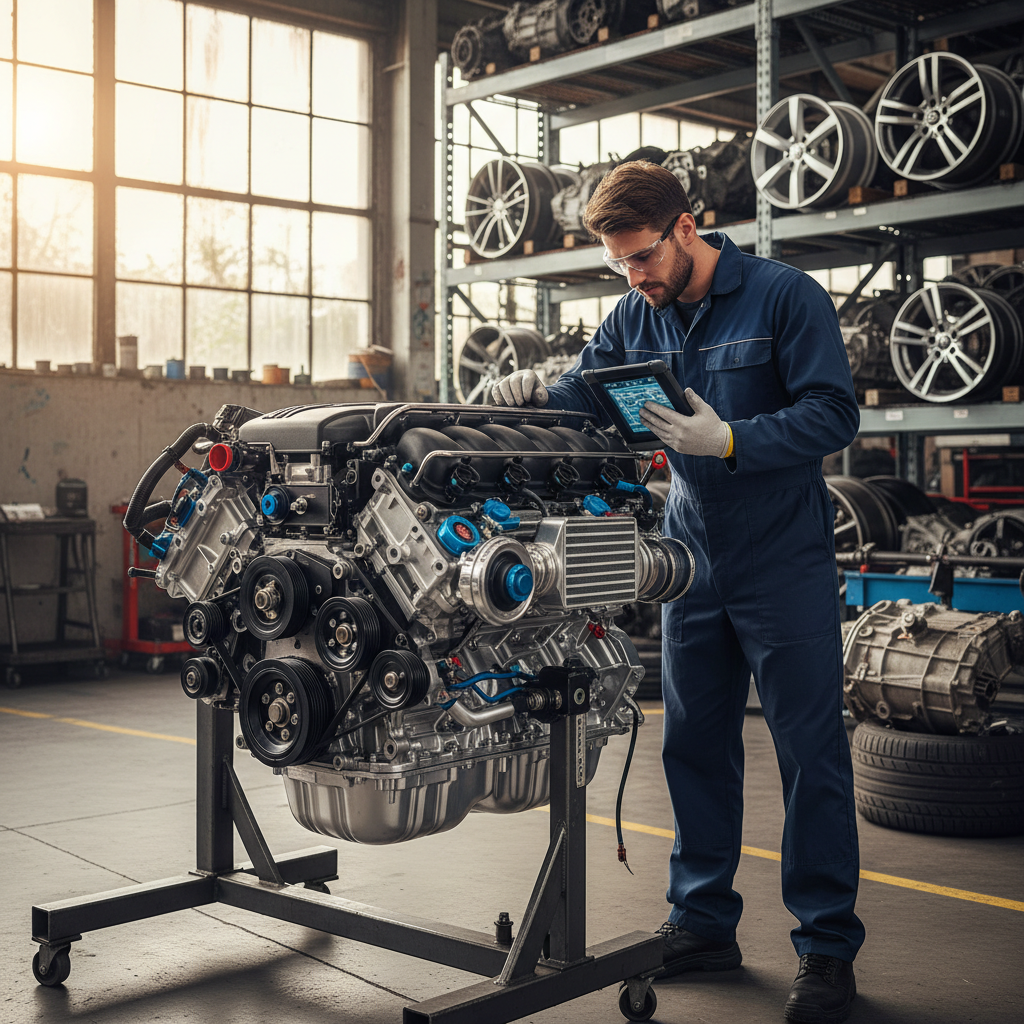
The Rigorous Testing Process for Used Engines and Transmissions: Ensuring Reliability for Every Mile
When a vehicle’s powertrain fails, the owner is faced with a critical decision: invest in a brand-new component, gamble on a cheap aftermarket alternative, or choose high-quality recycled car parts. For drivers in Philadelphia, Pennsylvania, and Wilmington, Delaware, the choice is increasingly leaning toward the latter. However, not all used auto parts are created equal. At JP Auto Hub, we have perfected a rigorous testing process that transforms the uncertainty of used components into the confidence of Original Equipment Manufacturer (OEM) reliability.
Why OEM Parts from JP Auto Hub Beat Aftermarket Alternatives
Many consumers are tempted by aftermarket engines or transmissions because of their low initial price point. However, these parts are often manufactured with thinner castings, inferior alloys, and looser tolerances. In contrast, OEM parts were designed specifically for your vehicle by the engineers who built it. By sourcing these parts through JP Auto Hub, you receive a component that fits perfectly and maintains the structural integrity of your vehicle.
The Longevity Factor
Aftermarket components often lack the longevity of genuine recycled parts. A used engine from a low-mileage donor vehicle, when properly vetted, will often outlast a brand-new ‘white-box’ aftermarket unit. This is why professional mechanics in Cherry Hill, New Jersey, and Dover, Delaware, consistently recommend JP Auto Hub for powertrain replacements.
The Engine Validation Protocol: Beyond the Visual Inspection
Our testing process begins long before a part is listed in our shop. We employ a multi-stage validation protocol to ensure that every engine we sell is ready for a second life.
1. Visual and Physical Assessment
Every engine undergoes a thorough external inspection. We look for signs of overheating, such as melted plastic components or discolored paint on the block. We also check for oil leaks, cracks in the casing, and the condition of the wiring harness.
2. Compression Testing
This is the gold standard for engine health. We measure the atmospheric pressure generated by each cylinder. Consistent compression across all cylinders indicates that the piston rings, valves, and head gaskets are in optimal condition. If an engine fails to meet the manufacturer’s specified PSI range, it is rejected.
3. Leak-Down Testing
While a compression test tells us if there is a problem, a leak-down test tells us where the problem is. By injecting compressed air into the cylinder, we can determine if air is escaping through the intake valves, exhaust valves, or past the rings. This level of detail ensures that our customers in Philadelphia and Wilmington receive only the highest-tier used auto parts.
| Test Type | What It Measures | Success Criteria |
|---|---|---|
| Compression Test | Internal Cylinder Pressure | Within 10% variance across cylinders |
| Leak-Down Test | Percentage of Pressure Loss | Less than 15% loss per cylinder |
| Oil Analysis | Metal Contaminants/Coolant | No trace of bronze, steel, or glycol |
| Crank Rotation | Internal Mechanical Movement | Smooth 360-degree rotation without binding |
Transmission Testing: Precision Under Pressure
Transmissions are complex hydraulic puzzles. Testing them requires specialized equipment and a deep understanding of fluid dynamics. Whether it is a traditional automatic, a CVT, or a manual gearbox, JP Auto Hub applies a strict vetting process.
Hydraulic Pressure Testing
For automatic transmissions, we test the line pressure. Incorrect pressure can lead to slipping clutches and delayed shifts. By verifying that the pump maintains the correct PSI, we ensure the transmission can handle the torque demands of modern driving in high-traffic areas like Cherry Hill and Dover.
Fluid and Pan Analysis
The transmission fluid tells a story. We inspect the fluid for a burnt smell (indicating friction material failure) and pull the pan to check for metal shavings. While a small amount of ‘clutch dust’ is normal, any significant metallic debris results in the unit being scrapped rather than sold.
📹 Recommended Video
For a visual guide, search “how to test a used car engine and transmission for quality assurance” on
YouTube.
The Environmental and Economic Impact of Recycled Car Parts
Choosing recycled car parts is not just a financial decision; it is an environmental one. Manufacturing a new engine block requires a massive amount of energy and raw materials. By reusing high-quality OEM components, we reduce the carbon footprint of the automotive industry. JP Auto Hub is proud to serve as a bridge between sustainability and performance for the Mid-Atlantic region.
Serving the Tri-State Area
- Philadelphia, PA: Providing fast shipping and reliable parts for the city’s busy commuters.
- Wilmington & Dover, DE: Offering a local alternative to expensive dealership repairs.
- Cherry Hill, NJ: Delivering high-performance OEM engines for luxury and domestic vehicles alike.
Quality You Can Trust
At JP Auto Hub, we don’t just sell parts; we sell peace of mind. Our rigorous testing ensures that when you turn the key for the first time after an engine or transmission swap, your vehicle performs exactly as it did when it left the factory. We invite you to browse our current inventory or contact us today to speak with one of our experts about your specific vehicle needs.
Final Thoughts on Automotive Reliability
The road can be unpredictable, but your vehicle’s components shouldn’t be. By adhering to the strictest testing standards in the industry, JP Auto Hub remains the premier destination for used auto parts in the Northeast. Don’t settle for aftermarket gambles—choose tested, proven, and guaranteed OEM performance.





Copyright 2025 © J&P All right reserved. Powered by IzyoX
