
The Best Way to Shop for Used Auto Parts Online with Confidence
The Best Way to Shop for Used Auto Parts Online with Confidence
Maintaining a vehicle can be an expensive endeavor, especially when unexpected repairs arise. Whether you are a DIY mechanic in Dover, Delaware, or a professional shop owner in Philadelphia, Pennsylvania, finding reliable components is essential. Shopping for used auto parts has become the preferred method for savvy vehicle owners to save money without sacrificing performance. However, the online marketplace can be daunting. This guide will explain how to navigate the world of recycled car parts with confidence, ensuring you get the right fit every time through JP Auto Hub.
The Technical Advantage: Used OEM Parts vs. Aftermarket
When searching for replacements, you generally face two choices: new aftermarket parts or used OEM parts (Original Equipment Manufacturer). While aftermarket parts are brand new, they are often manufactured by third-party companies using different materials and specifications than the original factory standards.
OEM parts are the exact components your vehicle was built with. When you source these as recycled car parts from a reputable supplier like JP Auto Hub, you are getting a component engineered specifically for your car’s weight, heat tolerances, and electrical requirements.
Comparison Table: OEM vs. Aftermarket
| Feature | Used OEM Parts | Cheap Aftermarket |
|---|---|---|
| Fitment | Guaranteed Factory Precision | May require modification |
| Material Quality | High-grade automotive standards | Often lower-grade plastics/alloys |
| Longevity | Proven durability | Unpredictable lifespan |
| Resale Value | Maintains vehicle integrity | Can decrease vehicle value |
How to Identify High-Quality Recycled Car Parts
Confidence in online shopping comes from data. To ensure you are purchasing a component that will last, you must look beyond the price tag. At JP Auto Hub, we prioritize transparency in our inventory, serving customers from Wilmington, Delaware to Baltimore, Maryland with detailed part histories.
1. Verify the VIN and Part Numbers
The Vehicle Identification Number (VIN) is your most powerful tool. Modern vehicles often have mid-year production changes. By matching your VIN or the specific OEM part number stamped on your old component, you eliminate the risk of ordering a part that looks correct but has a different electrical connector or mounting bracket.
2. Check Mileage and Condition Reports
For mechanical components like engines, transmissions, or alternators, mileage is a key indicator of remaining service life. A used alternator with 40,000 miles is a significantly better investment than a cheap aftermarket unit with no track record. Always look for high-resolution photos of the actual part, not stock photography.
Why JP Auto Hub is the Premier Choice in the Mid-Atlantic
Location matters when it comes to shipping heavy automotive components. JP Auto Hub is strategically positioned to serve the Dover, Wilmington, Baltimore, and Philadelphia corridors. This proximity allows for faster shipping times and lower freight costs on bulky items like hoods, fenders, and engines.
Expert Vetting Process
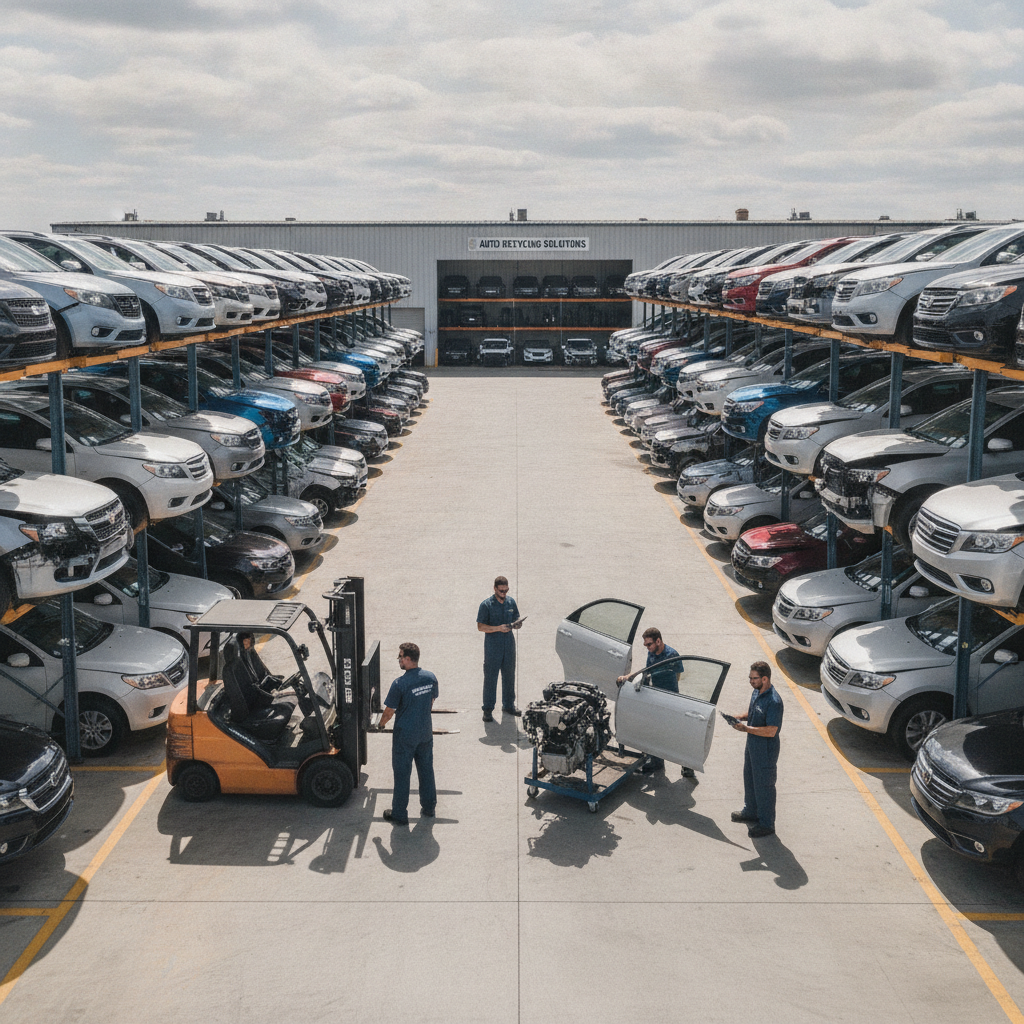
Unlike peer-to-peer marketplaces where quality is a gamble, every part at JP Auto Hub undergoes a rigorous inspection. We don’t just sell used auto parts; we provide solutions. Our technicians verify the structural integrity of body panels and the mechanical functionality of drivetrain components before they are listed in our shop.
Environmental and Economic Impact
Choosing recycled car parts is an environmentally conscious decision. It reduces the energy consumption required to manufacture new steel and plastic components. Furthermore, it keeps perfectly functional machinery out of landfills, providing a sustainable loop for the automotive industry in the Philadelphia and Baltimore metro areas.
📹 Recommended Video
For a visual guide, search “how to verify used car parts using VIN number and OEM part codes tutorial” on
YouTube.
Common Parts to Buy Used with Total Confidence
Not every part of a car should be bought used (avoid used brake pads or filters), but many major assemblies are ideal for the secondary market:
- Body Panels: Doors, hoods, and trunk lids are perfect candidates. If you find one in the same factory paint code, you can save hundreds on professional painting costs.
- Lighting Assemblies: OEM headlight and taillight housings are significantly more UV-resistant than cheap aftermarket versions which often yellow within a year.
- Engine Accessories: Alternators, AC compressors, and starter motors from low-mileage donor cars offer incredible value.
- Infotainment and Modules: Electronic control modules (ECMs) and head units are expensive to buy new but are highly reliable as used components.
Steps to a Successful Online Purchase
To ensure your experience is seamless, follow this checklist before hitting the “buy” button:
- Confirm your paint code: For body parts, check the door jamb sticker for the specific manufacturer color code.
- Ask about the warranty: Reputable sellers like JP Auto Hub offer clear return policies and warranties on their recycled inventory.
- Review shipping methods: Ensure the seller uses proper crating for fragile items like glass or heavy items like transmissions.
Conclusion: Drive Better for Less
Shopping for used auto parts online doesn’t have to be a stressful experience. By focusing on OEM parts, verifying technical specifications, and partnering with a trusted regional leader like JP Auto Hub, you can maintain your vehicle with the highest standards of quality and safety. Whether you are in Wilmington, Dover, Baltimore, or Philadelphia, the best parts for your vehicle are just a few clicks away. Visit our online store today and experience the difference that professional-grade recycled car parts can make for your ride.





Copyright 2025 © J&P All right reserved. Powered by IzyoX
