

Troubleshooting Common Transmission Issues in High-Mileage Vehicles
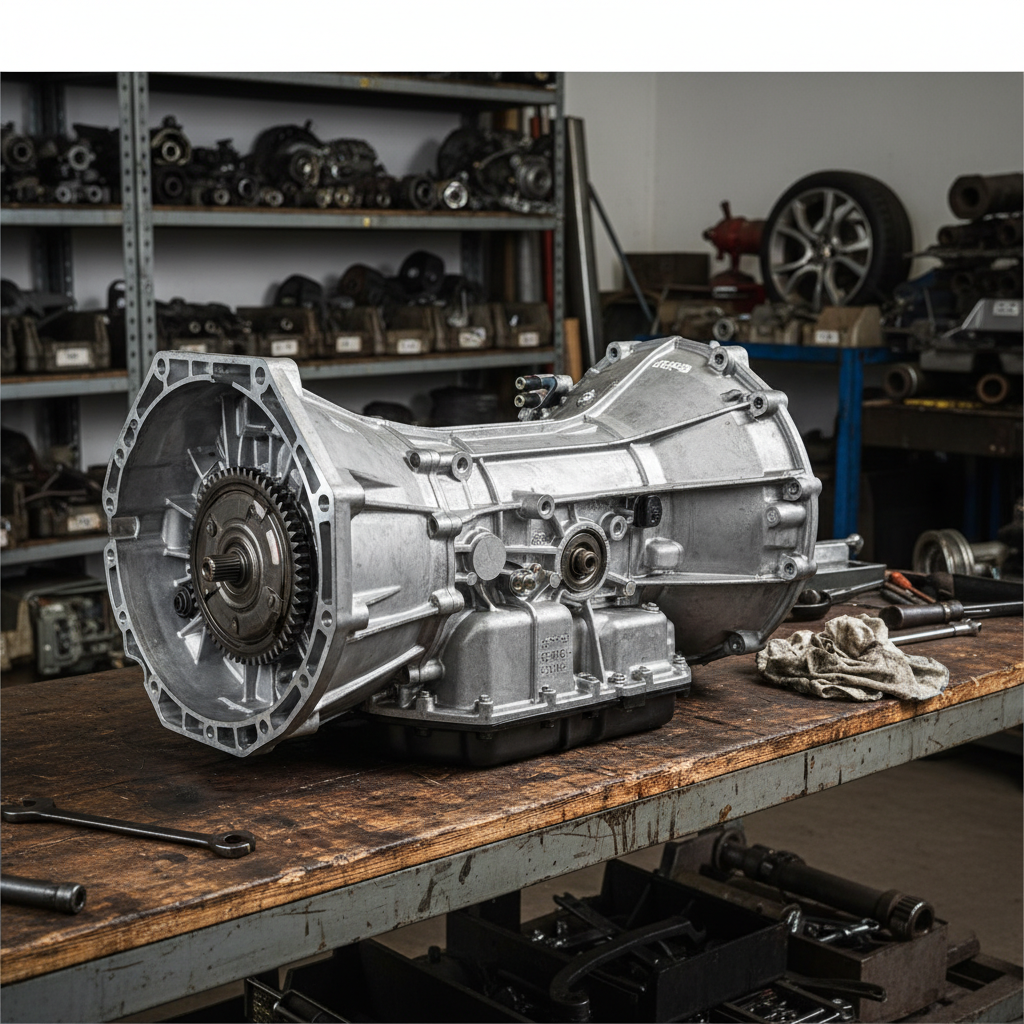
Troubleshooting Common Transmission Issues in High-Mileage Vehicles
For many drivers in Philadelphia, Pennsylvania, Baltimore, Maryland, and surrounding areas like Camden and Annapolis, hitting the 100,000-mile mark is a badge of honor. However, this milestone often brings about the most dreaded automotive challenge: transmission trouble. The transmission is arguably the most complex component of your vehicle, and as internal components wear down, performance can degrade rapidly.
Understanding how to troubleshoot these issues early can save you thousands of dollars. At JP Auto Hub, we specialize in providing high-quality used auto parts that help keep high-mileage vehicles on the road without the astronomical costs of brand-new replacements.
Recognizing the Warning Signs of Transmission Failure
High-mileage transmissions often exhibit specific symptoms before they fail completely. Ignoring these signs can lead to catastrophic damage to the engine and drivetrain.
1. Gear Slipping
If your engine revs up but the vehicle doesn’t speed up accordingly, or if the car spontaneously pops out of gear while driving, you are experiencing gear slipping. In high-mileage vehicles, this is often caused by worn-out friction material on the clutch plates or low fluid pressure.
2. Delayed Engagement
When you shift from ‘Park’ to ‘Drive’ or ‘Reverse,’ the response should be instantaneous. A delay of several seconds suggests that the internal seals are hardening or that the fluid pressure is insufficient to engage the gear sets. This is a common issue for commuters in heavy traffic zones like Philadelphia and Baltimore.
3. Rough Shifting and Grinding
An automatic transmission should shift smoothly. If you feel a ‘thud’ or ‘clunk’ during gear changes, the transmission mounts may be worn, or the internal synchronizers are failing. For manual transmissions, grinding is a clear indicator of worn synchronizers or a dragging clutch.
The Impact of Mid-Atlantic Driving Conditions
Vehicles operating in the Camden, New Jersey and Annapolis, Maryland corridors face unique stressors. The combination of salt-treated roads in winter, humid summers, and stop-and-go urban traffic accelerates the degradation of transmission fluid. Fluid is the lifeblood of the transmission; it provides hydraulic pressure, lubrication, and cooling. Once the additives in the fluid break down, internal friction increases, leading to the common issues listed below.
| Symptom | Potential Cause | Recommended Action |
|---|---|---|
| Burnt Smell | Overheating Fluid | Flush fluid and check for leaks |
| Fluid Leaks | Worn Seals/Gaskets | Replace seals or pan gasket |
| Check Engine Light | Solenoid Failure | Scan for OBD-II codes (P0700 series) |
| No Movement | Torque Converter Failure | Inspect/Replace with OEM parts |
📹 Recommended Video
For a visual guide, search “how to diagnose automatic transmission problems high mileage car” on
YouTube.
Diagnostic Steps for High-Mileage Owners
Before jumping to the conclusion that you need a total rebuild, follow these diagnostic steps:
- Check Fluid Levels: Ensure the vehicle is on level ground. Check the color and smell. Bright red is healthy; dark brown or black with a burnt odor indicates internal damage.
- Scan for Codes: Use an OBD-II scanner. Modern transmissions are electronically controlled. Codes like P0700 or P0730 can pinpoint specific solenoid or gear ratio errors.
- Inspect the Pan: Dropping the transmission pan to check for metal shavings can tell you exactly how much internal wear has occurred. A small amount of fine ‘dust’ is normal; large chunks of metal are not.
Why Used OEM Parts Beat Aftermarket Alternatives
When a repair is necessary, owners of high-mileage vehicles face a choice: expensive new parts, cheap aftermarket components, or recycled car parts. At JP Auto Hub, we strongly advocate for OEM parts (Original Equipment Manufacturer).
Aftermarket parts are often designed to fit a wide range of vehicles, leading to ‘universal’ fitments that don’t quite meet the precise tolerances required by a complex transmission. In contrast, a used OEM transmission from a low-mileage donor vehicle provides the exact engineering specifications your car was built with. By choosing recycled car parts, you are getting a component that was tested and approved by the vehicle’s original manufacturer, ensuring better longevity and performance.
The Cost-Benefit of JP Auto Hub
Buying used auto parts from a reputable source like JP Auto Hub allows you to maintain your vehicle’s value without over-investing. For a car with 150,000 miles, spending $4,000 on a brand-new transmission may not make financial sense. However, sourcing a high-quality used unit for a fraction of that cost can extend the life of the vehicle by another 100,000 miles.
Common Transmission Fixes for High-Mileage Cars
Sometimes, the fix isn’t a full replacement. Depending on your diagnosis, you might only need specific recycled car parts to get back on the road:
- Solenoid Replacement: If your car is stuck in ‘Limp Mode,’ a faulty shift solenoid is often the culprit. Replacing this with a tested OEM part is a cost-effective fix.
- Transmission Cooler Installation: For drivers in Annapolis who frequently tow or drive in heat, adding an auxiliary cooler can prevent future fluid breakdown.
- Valve Body Repair: The ‘brain’ of the transmission can often be swapped out without removing the entire unit.
Preventative Maintenance for Longevity
To avoid frequent visits to the shop, high-mileage owners should adhere to a strict maintenance schedule. This includes regular fluid changes (not necessarily ‘flushes’ on very old units, which can sometimes dislodge debris) and ensuring the cooling system is functioning perfectly, as heat is the number one killer of transmissions.
If you find yourself needing a reliable replacement, the team at JP Auto Hub is here to help. We serve the entire Mid-Atlantic region, providing the OEM parts necessary to keep your vehicle running smoothly through the streets of Philadelphia, Baltimore, and beyond.
Conclusion
Transmission issues don’t have to mean the end of your vehicle’s life. By accurately diagnosing symptoms, understanding the impact of your local driving environment, and choosing quality used auto parts from JP Auto Hub, you can manage repairs affordably and effectively. Don’t settle for inferior aftermarket components; trust the reliability of OEM engineering to keep you on the road.





Copyright 2025 © J&P All right reserved. Powered by IzyoX
