

Troubleshooting Common Transmission Issues in High-Mileage Vehicles
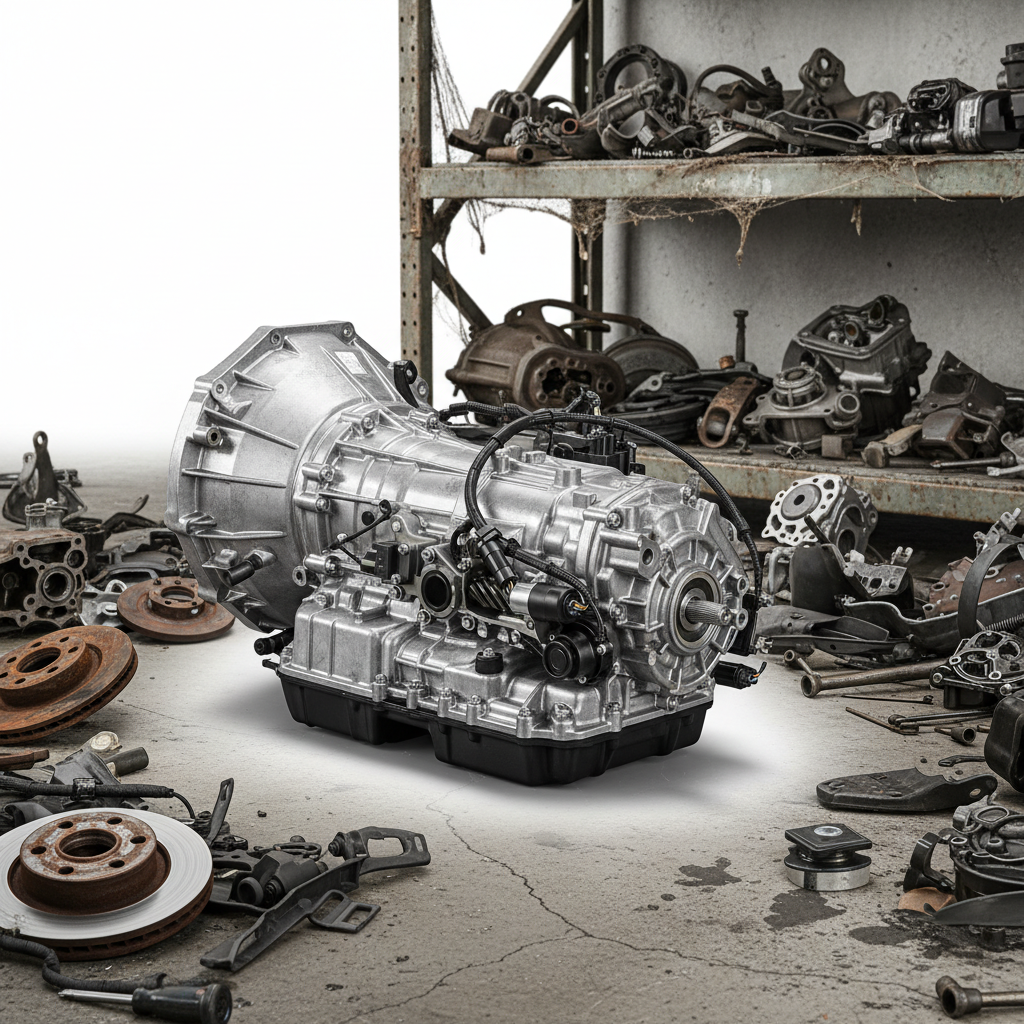
Troubleshooting Common Transmission Issues in High-Mileage Vehicles
For drivers in the Mid-Atlantic region—from the stop-and-go traffic of Washington, D.C. to the suburban commutes of Cherry Hill, New Jersey—the transmission is the unsung hero of the daily drive. However, as a vehicle crosses the 100,000-mile threshold, the transmission becomes one of the most vulnerable and expensive components to maintain. Understanding the early warning signs of failure and knowing where to source high-quality used auto parts can save you thousands of dollars in repair costs.
At JP Auto Hub, we specialize in providing reliable, tested recycled car parts to keep your high-mileage vehicle on the road without the sticker shock of a brand-new transmission. In this comprehensive guide, we will dive into the technical aspects of transmission failure and why OEM parts are the only choice for a lasting repair.
Understanding the Lifespan of Modern Transmissions
Modern automatic and CVT (Continuously Variable Transmission) systems are engineering marvels designed to last between 150,000 and 200,000 miles. However, environmental factors in areas like Wilmington and Newark, Delaware—such as extreme temperature fluctuations and heavy road salt—can accelerate the degradation of internal components. When a transmission reaches high mileage, the internal friction materials begin to thin, seals harden, and fluid breaks down, losing its lubricating and cooling properties.
Common Red Flags: How to Identify a Failing Transmission
Identifying a problem early is the difference between a minor solenoid replacement and a total transmission overhaul. If you notice any of the following symptoms, it is time to visit the JP Auto Hub shop to explore your replacement options.
1. Slipping Gears and High RPMs
If your engine is revving high but your vehicle isn’t gaining speed, or if it feels like the car is ‘searching’ for a gear, your transmission is likely slipping. This is often caused by worn-out friction plates or low fluid pressure. In high-mileage vehicles, this is a clear indicator that the internal components are reaching the end of their service life.
2. Delayed Engagement and Shifting Hesitation
When you shift from ‘Park’ to ‘Drive’ or ‘Reverse,’ the engagement should be nearly instantaneous. A delay of more than one or two seconds suggests a failing pump, a clogged filter, or internal seal leakage. This is particularly common in older models frequently driven in the congested streets of Washington, D.C.
3. Fluid Leaks and Burned Odors
Transmission fluid should be a translucent cherry red. If you spot dark brown or black fluid under your car in your Newark, Delaware driveway, or if you smell a sweet, acrid burning scent, your transmission is overheating. Overheating is the number one killer of high-mileage transmissions.
Technical Deep Dive: Why High-Mileage Transmissions Fail
To troubleshoot effectively, we must look at the specific mechanical failures that plague older vehicles. Below is a breakdown of the most common internal issues:
| Component | Common Issue | Symptom |
|---|---|---|
| Torque Converter | Worn needle bearings or stator failure | Grinding noises or shuddering at highway speeds |
| Solenoids | Electrical failure or debris blockage | Failure to upshift or downshift correctly |
| Planetary Gear Set | Metal fatigue and tooth wear | Loud whining or clunking sounds |
| Valve Body | Internal wear or ‘brain’ failure | Erratic shifting patterns and ‘Limp Mode’ |
When these components fail, many owners are tempted by ‘rebuilt’ kits or cheap aftermarket components. However, the precision required for transmission operation means that even a fraction of a millimeter in variance can lead to catastrophic failure.
📹 Recommended Video
For a visual guide, search “how to diagnose automatic transmission problems shifting issues” on
YouTube.
Why OEM Used Auto Parts Trump Cheap Aftermarket Alternatives
When it comes to transmissions, the phrase ‘you get what you pay for’ has never been truer. Many car owners in Cherry Hill and Wilmington are lured by the low prices of aftermarket parts. Here is why choosing recycled car parts from JP Auto Hub is the technically superior choice:
- Precision Fitment: OEM parts (Original Equipment Manufacturer) are built to the exact tolerances of your specific make and model. Aftermarket parts are often designed to fit a wide range of vehicles, leading to poor seals and improper fluid flow.
- Material Quality: OEM transmissions use high-grade alloys and friction materials tested by the manufacturer. Aftermarket ‘value’ brands often use inferior metals that cannot withstand the heat cycles of a heavy D.C. commute.
- Proven Reliability: A used OEM transmission from a low-mileage donor vehicle has already proven it functions correctly within the vehicle’s ecosystem. At JP Auto Hub, we rigorously inspect our used auto parts to ensure they meet our high standards.
Finding Quality Recycled Car Parts at JP Auto Hub
Replacing a transmission with a brand-new unit can often cost more than the total value of a high-mileage vehicle. This is where JP Auto Hub provides a vital service to the community. By sourcing high-quality recycled car parts, you can restore your vehicle’s performance for a fraction of the cost.
We serve the following areas with fast shipping and expert advice:
- Cherry Hill, New Jersey
- Wilmington, Delaware
- Newark, Delaware
- Washington, D.C.
Conclusion: Don’t Wait for a Total Breakdown
A failing transmission won’t fix itself. If you are experiencing harsh shifts, strange noises, or fluid leaks, the time to act is now. By choosing OEM parts from a trusted supplier like JP Auto Hub, you are ensuring that your vehicle remains reliable for years to come. Our inventory of used auto parts is constantly updating to meet the needs of Mid-Atlantic drivers.
Ready to find the perfect part for your repair? Contact us today or browse our extensive inventory online to get your vehicle back in gear.





Copyright 2025 © J&P All right reserved. Powered by IzyoX
