

The Ultimate Guide to Buying a Used Transmission for Your Truck
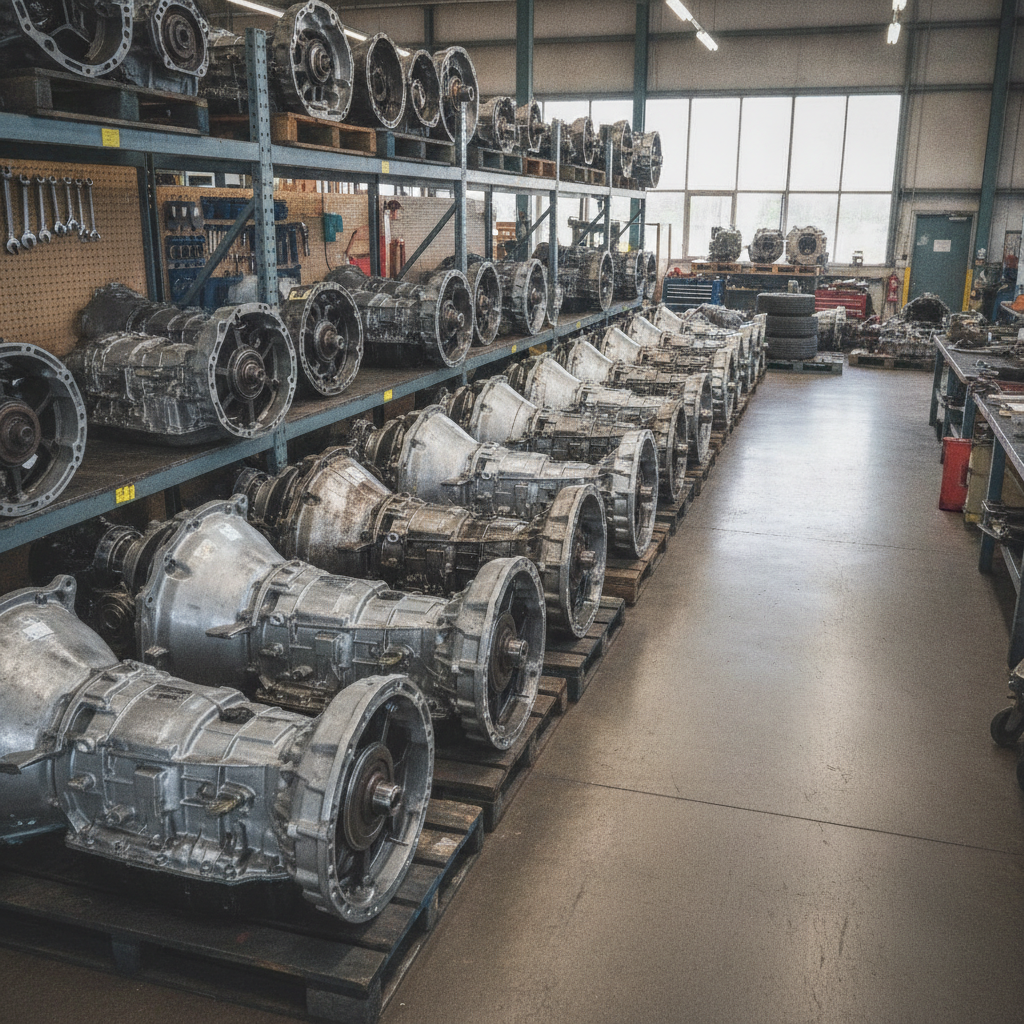
The Ultimate Guide to Buying a Used Transmission for Your Truck
For truck owners in the Mid-Atlantic region—from the bustling streets of Philadelphia to the industrial hubs of Baltimore—the transmission is the most critical component of the drivetrain. When a transmission fails, the cost of a brand-new unit can often exceed the blue-book value of the vehicle itself. This is where the strategy of sourcing high-quality used auto parts becomes essential. In this comprehensive guide, we will explore how to navigate the market for recycled car parts, ensuring you get your truck back on the road without breaking the bank.
Why OEM Parts Trump Aftermarket Alternatives
When searching for a replacement transmission, you will likely encounter two main options: cheap aftermarket units or OEM parts (Original Equipment Manufacturer). At JP Auto Hub, we consistently recommend the latter. But why?
- Precision Engineering: OEM transmissions are designed specifically for your truck’s make and model, ensuring every bolt, sensor, and gear ratio aligns perfectly with your engine’s output.
- Material Quality: Aftermarket manufacturers often cut costs by using inferior alloys or simplified internal components. Recycled OEM parts maintain the high-grade metallurgy required for heavy towing and hauling.
- Software Compatibility: Modern truck transmissions rely heavily on Electronic Control Units (ECUs). A used OEM transmission from a reputable source like JP Auto Hub is far more likely to communicate seamlessly with your truck’s computer than a generic aftermarket unit.
Regional Considerations: Newark to Washington, D.C.
Trucks in Newark, Delaware, and Washington, D.C. face unique stressors. Stop-and-go traffic in the District and the salty coastal air of the Delaware region can accelerate wear on drivetrain components. When buying a used transmission in these areas, it is vital to source from a supplier that understands these environmental factors. JP Auto Hub services these specific markets, providing vetted, high-quality components that have been inspected for corrosion and mechanical integrity.
The Technical Checklist: What to Look For
Before finalizing a purchase, you must verify several technical specifications to ensure compatibility. A transmission that looks identical on the outside may have different internal gear ratios or torque converter specifications.
| Truck Model | Common Transmission Type | Key Compatibility Factor |
|---|---|---|
| Ford F-150 (2017+) | 10R80 10-Speed | Mainframe Software Version |
| Chevrolet Silverado 1500 | 6L80 / 8L90 | Cooler Line Configuration |
| RAM 1500 | ZF 8HP70 | Output Shaft Spline Count |
| Toyota Tundra | AB60E/F | Transfer Case Mounting Pattern |
How to Verify a Used Transmission’s Condition
Buying recycled car parts doesn’t have to be a gamble. Follow these steps to ensure you are getting a reliable unit:
- Check the VIN: Always match the donor vehicle’s VIN to your truck to confirm the exact transmission code.
- Inspect the Fluid: Even in a used unit, the fluid tells a story. It should not smell burnt or contain heavy metallic shavings (fine ‘dust’ on the magnet is normal).
- Rotate the Input Shaft: Ensure the internal gears move smoothly without binding or grinding noises.
- Verify Mileage: Reliable sellers like JP Auto Hub provide accurate mileage data for their inventory.
The Economic Advantage of Recycled Car Parts
The price gap between a new transmission and a used one is substantial. A new heavy-duty truck transmission can cost between $4,000 and $7,000, excluding labor. By choosing used OEM parts, truck owners in Philadelphia and Baltimore can often save 50% to 70% while still receiving a component that has thousands of miles of life left. Furthermore, using recycled parts is an environmentally conscious choice, reducing the energy and raw materials required to manufacture new components.
Installation Best Practices
Once you have sourced your transmission from our Shop, the installation process is critical for longevity. We recommend the following:
- Flush the Cooler Lines: Never install a replacement transmission without flushing the lines and the radiator. Debris from the old failed unit can migrate into the new one and cause immediate failure.
- Replace the Rear Main Seal: While the transmission is out, it is the perfect time to replace your engine’s rear main seal—a cheap part that is difficult to access otherwise.
- Update the Software: Many modern trucks require a TCM (Transmission Control Module) re-flash to recognize the new hardware.
📹 Recommended Video
For a visual guide, search “how to inspect and install a used truck transmission tutorial” on
YouTube.
Trusting Your Supplier
Not all salvage yards are created equal. When you are looking for used auto parts in the Mid-Atlantic, you need a partner that stands behind their inventory. JP Auto Hub prides itself on transparency and technical expertise. We serve the Newark, Baltimore, D.C., and Philadelphia communities with a commitment to quality that aftermarket retailers simply cannot match.
Conclusion
Purchasing a used transmission for your truck is a smart, technical decision that preserves the value of your vehicle while saving significant capital. By focusing on OEM quality and sourcing from a trusted regional expert, you ensure that your truck remains a reliable tool for work and travel. For more information or to find the specific part for your vehicle, please Contact our team of specialists today. Let us help you find the perfect match for your drivetrain needs.





Copyright 2025 © J&P All right reserved. Powered by IzyoX
