

Upgrading Your Car’s Interior with High-Quality Used Seats and Trim
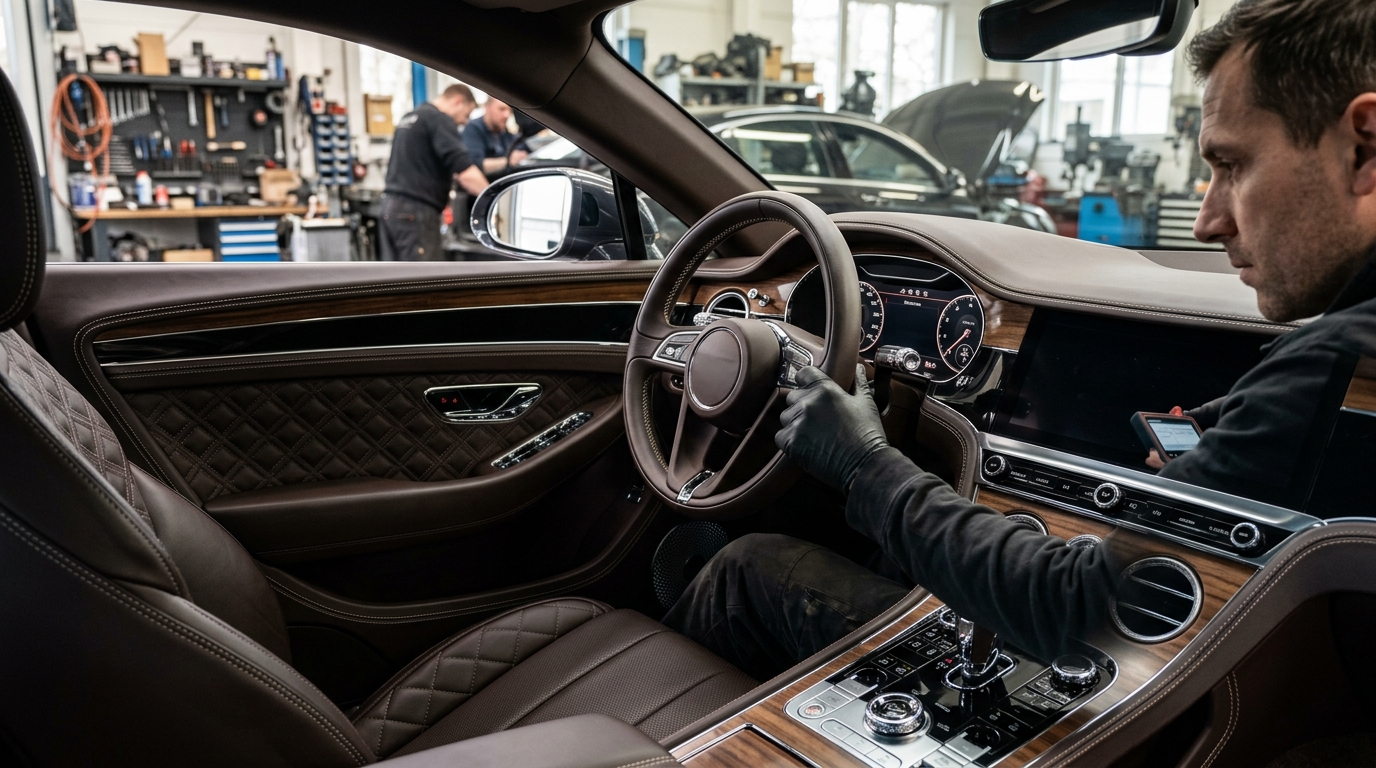
Upgrading Your Car’s Interior with High-Quality Used Seats and Trim
Whether you are navigating the dense urban grid of Washington, D.C., sitting in rush-hour traffic in Philadelphia, Pennsylvania, commuting across the river from Camden, New Jersey, or enjoying a scenic highway drive down to Dover, Delaware, the interior of your vehicle is your personal sanctuary. Over time, daily wear and tear can degrade the comfort and aesthetic appeal of your cabin. Faded trim, cracked leather, and sagging seat cushions not only diminish your driving experience but also negatively impact your vehicle’s resale value. Fortunately, restoring or even upgrading your cabin does not require spending thousands of dollars at a dealership. By sourcing high-quality used auto parts, you can achieve a factory-fresh feel at a fraction of the cost.
At JP Auto Hub, we specialize in providing drivers across the Mid-Atlantic region with meticulously inspected, top-tier interior components. In this comprehensive guide, we will delve into the technical anatomy of car interiors, explain the critical differences between factory and aftermarket components, and guide you through the process of upgrading your vehicle using premium recycled car parts.
The Technical Anatomy of Automotive Seats and Trim
To truly appreciate the value of high-quality interior components, one must understand the complex engineering behind them. Modern car interiors are no longer just foam, fabric, and plastic; they are highly integrated electromechanical environments.
Seat Architecture and Safety Systems
Today’s automotive seats are sophisticated assemblies designed for optimal ergonomics and critical crash safety. A standard power seat contains several intricate subsystems:
- Occupant Classification System (OCS): These weight sensors communicate directly with the vehicle’s ECU to determine the deployment force of the passenger dashboard airbag.
- Supplemental Restraint System (SRS): Most modern front seats house side-impact airbags integrated directly into the seat backrest bolsters.
- Electromechanical Tracks: High-torque micro-motors control the multi-way directional movement (fore/aft, tilt, height, and lumbar support) via worm gears and threaded tracks.
- Climate Modules: Luxury seats often feature embedded heating elements (resistive wire pads) and ventilation systems utilizing micro-fans and perforated foam channels.
Interior Trim and Fastening Tolerances
Door panels, center consoles, and dashboard trims are injection-molded from specialized polymers such as Acrylonitrile Butadiene Styrene (ABS), Polycarbonate (PC), or Polypropylene (PP). These materials are chosen for their UV resistance, thermal stability, and impact absorption characteristics. Factory trim panels are designed with sub-millimeter tolerances and are secured using specific retaining clips (such as W-clips, fir tree fasteners, and metal spring clips) to prevent acoustic vibrations and NVH (Noise, Vibration, and Harshness) while driving.
Why Choose Used OEM Parts Over Aftermarket Alternatives?
When upgrading your interior, the market generally offers three choices: brand new dealership parts (prohibitively expensive), cheap aftermarket alternatives, and used OEM parts. Here is why sourcing used original equipment manufacturer (OEM) components from JP Auto Hub is the superior choice.
1. Uncompromised Safety and SRS Compatibility
The most critical reason to avoid cheap aftermarket seats is safety. Many aftermarket seats are not DOT-approved and lack integrated side-impact airbags or compatible OCS sensors. Installing an aftermarket seat without these modules will trigger an SRS dashboard light and disable your vehicle’s airbag system, posing a severe safety risk. Used OEM parts ensure that your vehicle’s crash safety systems remain entirely intact and functional, operating exactly as the manufacturer intended.
2. Perfect Fitment and Acoustic Integrity
Aftermarket trim pieces are notorious for poor fitment. Because third-party manufacturers reverse-engineer the molds, their panels often suffer from warping, uneven gaps, and brittle mounting tabs. This leads to frustrating interior rattles and squeaks. Genuine used OEM trim pieces were manufactured using the original factory molds, guaranteeing flush fitment, exact color-matching, and tight acoustic seals.
3. Material Durability and Ergonomics
Factory seats undergo millions of cycles of robotic testing to ensure the high-density polyurethane foam and upholstery (whether premium cloth, MB-Tex, or Nappa leather) can withstand years of abrasion. Cheap aftermarket seats often use low-density foam that collapses under sustained weight, leading to back pain during long commutes between Camden and Philadelphia. Used OEM seats retain their ergonomic support and structural integrity.
4. Plug-and-Play Electrical Integration
Automotive wiring harnesses are highly specific to the make, model, and trim level. If you are upgrading from manual cloth seats to power leather seats (provided your vehicle is pre-wired), used OEM seats offer plug-and-play compatibility. Aftermarket seats require dangerous wire splicing, custom relays, and complex fabrication to function properly.
Sourcing Recycled Car Parts in the Mid-Atlantic Region
Finding the right interior components requires a trusted partner. Whether you are a DIY enthusiast in Washington, D.C., or an independent mechanic in Dover, Delaware, JP Auto Hub provides an extensive inventory of thoroughly vetted interior parts. We carefully dismantle, clean, and test all electrical functions of our seats and trim pieces before they are added to our catalog. By choosing recycled car parts, you are also making an environmentally responsible choice, keeping massive amounts of plastic, foam, and metal out of local landfills.
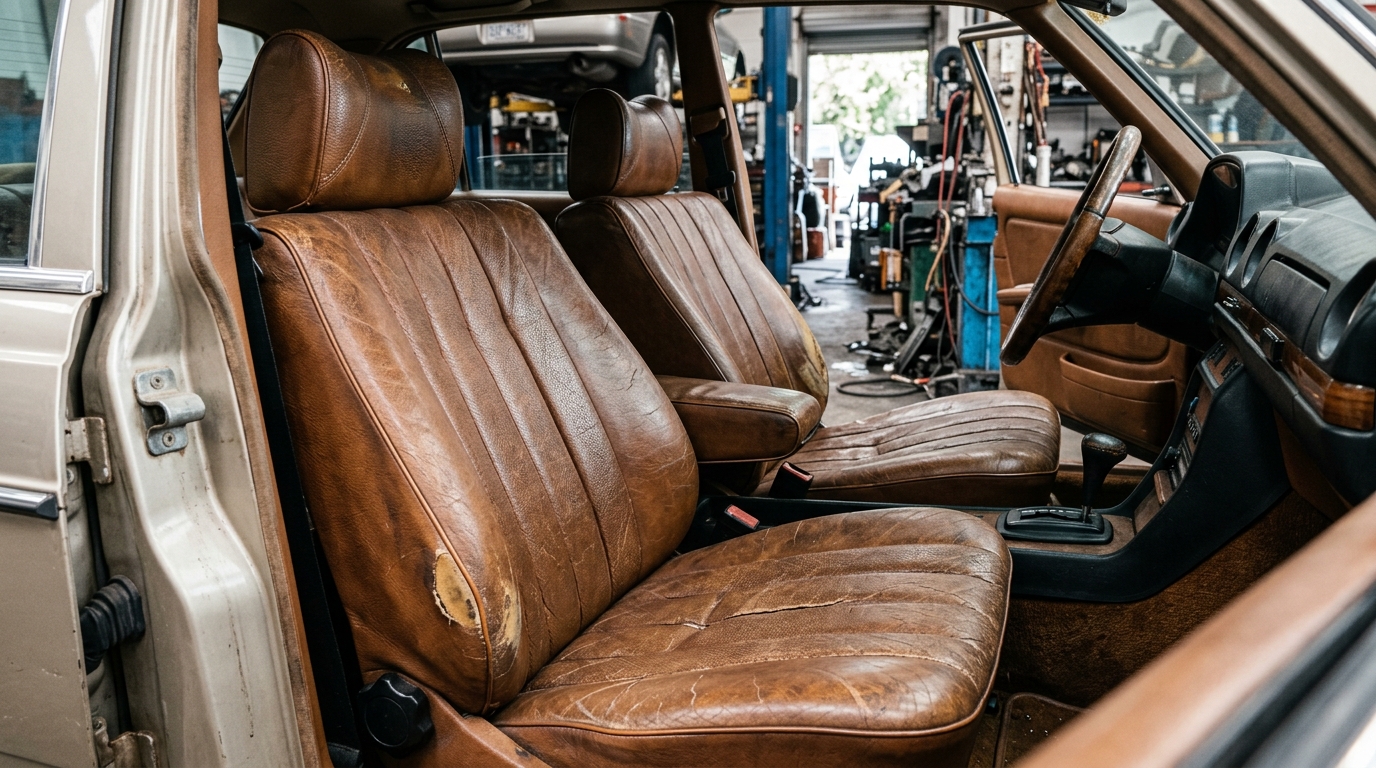
used car leather seats
Step-by-Step: Upgrading Your Seats and Trim
Upgrading your interior is a rewarding weekend project. While complex electrical troubleshooting should be left to professionals, swapping seats and door panels is highly accessible for the average DIYer.
📹 Recommended Video
For a visual guide, search “how to replace car seats and door trim” on
YouTube.
Step 1: Disconnect the Battery (Crucial)
Before touching any interior component, disconnect the negative terminal of your car battery and wait at least 15-30 minutes. This allows the residual energy in the SRS module to discharge, preventing accidental airbag deployment when you unplug the seat harnesses.
Step 2: Removing the Door Trim
Using a set of non-marring plastic pry tools, gently unclip the power window switch panels and disconnect the wiring. Locate the hidden Torx or Phillips screws (usually behind the door handle and at the bottom of the panel). Once the screws are removed, pry the panel away from the door frame, popping the retaining clips out one by one. Lift the panel upward to clear the window sill.
Step 3: Unbolting the Seats
Slide the seat all the way forward to expose the rear mounting bolts, then slide it all the way backward to expose the front bolts. Most vehicles use heavy-duty Torx (T45/T50) or 14mm/15mm hex bolts. Once unbolted, gently tilt the seat backward to access the wiring harness underneath. Squeeze the release tabs to unplug the main yellow SRS connector and the power seat connectors.
Step 4: Installation and Initialization
Carefully maneuver your new used OEM seat into the cabin, taking care not to scratch the door sills. Plug in the wiring harnesses before bolting the seat down. Hand-thread the mounting bolts to prevent cross-threading, then torque them to the manufacturer’s exact specifications. Reconnect the battery. In some modern vehicles, you may need an OBD2 scanner to recalibrate the passenger weight sensor.
Cost Comparison: Used OEM vs. New OEM vs. Aftermarket
To illustrate the incredible value of choosing JP Auto Hub for your interior upgrades, consider the following cost breakdown for a standard mid-size sedan upgrade:
| Component | New Dealership OEM | Cheap Aftermarket | Used OEM (JP Auto Hub) |
|---|---|---|---|
| Front Leather Seat (Driver) | $1,200 – $1,800 | $300 – $500 (No Airbags/Motors) | $250 – $450 |
| Interior Door Panel Trim | $400 – $600 | $150 (Poor Fitment) | $75 – $125 |
| Center Console Assembly | $700 – $900 | N/A (Rarely Available) | $150 – $250 |
| Total Estimated Cost | $2,300 – $3,300+ | $450 – $650 (Compromised) | $475 – $825 (Factory Quality) |
Trust JP Auto Hub for Your Interior Upgrades
Upgrading your car’s interior with high-quality used seats and trim is the smartest way to elevate your driving experience, improve comfort, and increase your vehicle’s value. Avoid the pitfalls, safety hazards, and poor fitment associated with aftermarket parts. By utilizing tested and verified used auto parts, you retain the structural integrity, luxury, and safety that the original manufacturer intended.
Ready to transform your vehicle’s cabin? Browse our extensive online inventory by visiting our Shop, where you can filter by make, model, and part type. If you are looking for a specific trim color or seat configuration for your daily driver in Camden, Philadelphia, Washington D.C., or Dover, do not hesitate to reach out to our parts experts. Visit our Contact page today, and let JP Auto Hub help you ride in comfort and style.





Copyright 2025 © J&P All right reserved. Powered by IzyoX
