

Why Used Headlight Assemblies are the Smartest Body Shop Secret
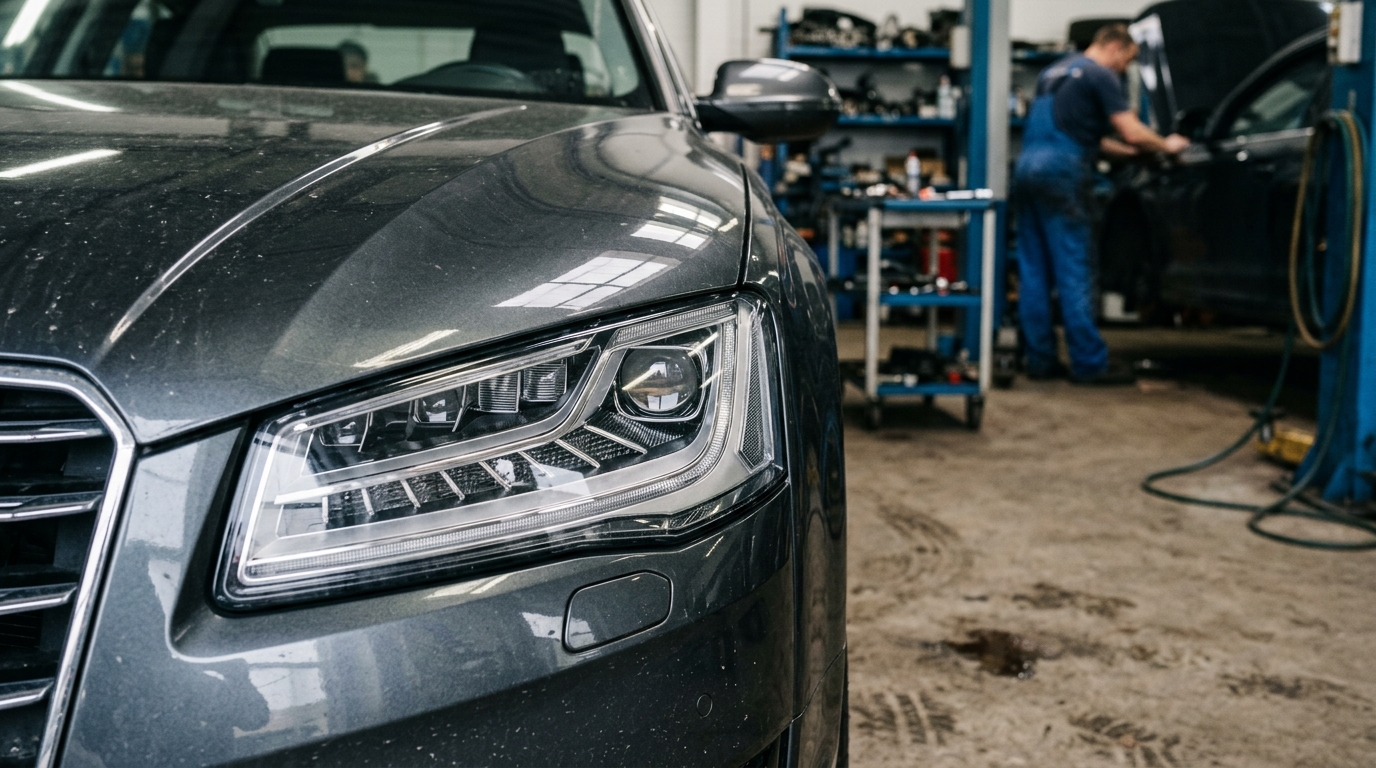
Why Used Headlight Assemblies are the Smartest Body Shop Secret
Modern vehicles are no longer just mechanical machines; they are highly advanced rolling computers. Nowhere is this technological leap more evident than in the front fascia of today’s cars and trucks. For auto body professionals and collision repair experts operating in Washington, D.C., Philadelphia, Pennsylvania, Dover, Delaware, and Annapolis, Maryland, front-end damage presents a complex and expensive challenge. The secret to restoring a vehicle to its pre-accident condition without destroying the repair budget? High-quality used headlight assemblies.
In this comprehensive guide, we will explore the intricate technology behind modern vehicle lighting, dissect the hidden flaws of cheap aftermarket alternatives, and explain exactly why sourcing JP Auto Hub‘s premium used auto parts is the smartest decision a body shop or savvy DIY mechanic can make.
The Technological Evolution of the Headlight Assembly
To understand the immense value of recycled car parts, one must first understand the sheer complexity of modern headlights. Gone are the days when a headlight consisted of a simple glass sealed-beam unit or a basic plastic housing with a replaceable halogen bulb. Today’s headlight assemblies are intricate electromechanical ecosystems.
- High-Intensity Discharge (HID) & LED Projectors: Modern assemblies utilize specialized projector lenses to focus light precisely, requiring complex heat sinks and cooling fans to manage the extreme temperatures generated by LED diodes.
- Adaptive Front-lighting Systems (AFS): Many modern OEM parts feature internal stepper motors that pivot the projector lenses in tandem with the steering wheel, illuminating corners before the vehicle even enters them.
- Integrated Control Modules: Headlights now contain their own electronic control units (ECUs), ballasts, and LED drivers that must communicate seamlessly with the vehicle’s central CAN bus network.
- Daytime Running Lights (DRLs) & Sequential Turn Signals: Intricate fiber-optic tubes and multi-stage LED boards are baked directly into the housing, forming the signature “look” of the vehicle.
Because of these advancements, a single brand-new OEM headlight assembly from a dealership can easily cost between $1,200 and $3,500. When a minor fender bender in Philadelphia or a deer strike near Dover damages both headlights, the cost of new parts alone can total a vehicle.
The Trap of Cheap Aftermarket Alternatives
Faced with the staggering cost of new OEM assemblies, many independent body shops and vehicle owners are tempted by heavily discounted aftermarket headlights. However, seasoned technicians in Annapolis and Washington, D.C. know that cheap aftermarket lighting is a dangerous trap.
Why Cheap Aftermarket Headlights Fail
Aftermarket manufacturers cut costs by utilizing inferior materials and bypassing rigorous engineering standards. The result is a part that might look identical in a photograph but fails miserably in real-world applications.
- Inferior UV Hardcoating: OEM parts are treated with a specialized, baked-on UV resistant hardcoat to prevent the polycarbonate lenses from degrading. Cheap aftermarket lenses often lack this coating, leading to severe yellowing, hazing, and micro-cracking within just 6 to 12 months of sun exposure.
- Poor Weather Sealing: The butyl rubber sealant used to bond the clear lens to the rear housing is notoriously weak on aftermarket units. This inevitably leads to moisture intrusion, condensation buildup, and the subsequent short-circuiting of expensive internal LED drivers.
- Inaccurate Beam Patterns: The internal reflectors and projector bowls in aftermarket units are rarely engineered to DOT (Department of Transportation) specifications. This results in scattered light, blinding oncoming traffic while providing poor visibility for the driver.
- CAN Bus Communication Errors: Because aftermarket lights often use cheaper, non-compliant resistors and wiring, they frequently trigger dashboard warning lights or cause the vehicle’s computer to shut down the lighting circuit entirely.
The OEM Advantage
When you use genuine OEM parts, you are installing equipment engineered by the automaker to strict safety, durability, and performance standards. The fitment is exact, the wiring harnesses click into place perfectly, and the beam pattern is flawless. This is why top-tier body shops refuse to compromise with aftermarket knockoffs.
Why Recycled Car Parts are the Industry’s Best Kept Secret
If new OEM parts are too expensive and aftermarket parts are too unreliable, what is the solution? Used auto parts. Specifically, carefully inspected, insurance-grade used headlight assemblies.
Purchasing used OEM headlight assemblies allows body shops to provide their customers with genuine factory equipment at a fraction of the dealership price. This practice, often referred to as LKQ (Like Kind and Quality) in the insurance industry, is the key to maximizing profit margins while ensuring a safe, reliable repair.
Cost and Quality Comparison
| Feature | New OEM Dealership | Cheap Aftermarket | Used OEM (JP Auto Hub) |
|---|---|---|---|
| Initial Cost | Extremely High ($$$$) | Low ($$) | Moderate ($$) |
| Fitment & Alignment | Perfect | Often Requires Modification | Perfect |
| Lens Durability (UV) | Excellent | Poor (Fades Quickly) | Excellent (Factory Coated) |
| Electronic Compatibility | Plug and Play | Prone to Error Codes | Plug and Play |
| Value Retention | Depreciates Instantly | Zero Value | High ROI for Repairs |
As the table demonstrates, utilized recycled car parts offer the perfect intersection of affordability, quality, and reliability.
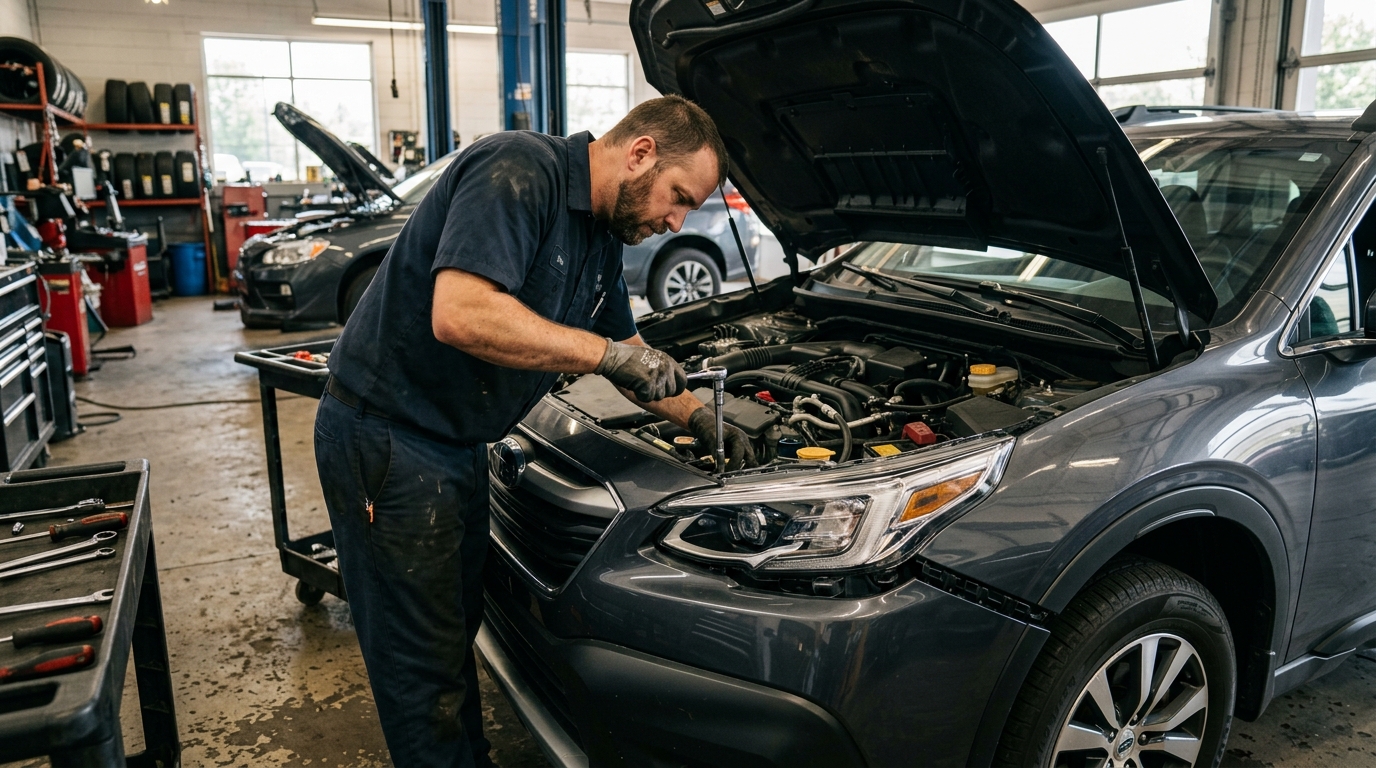
mechanic installing headlight assembly
JP Auto Hub’s Rigorous Quality Control
Not all used auto parts are created equal. At JP Auto Hub, we understand that a headlight assembly is a critical safety component. We don’t just pull parts off wrecked vehicles and ship them out; we subject every lighting component to a rigorous quality assurance protocol.
- Mounting Tab Inspection: The most common failure point on a used headlight is broken plastic mounting tabs. Our technicians meticulously inspect every upper, lower, and side bracket. If a tab is professionally repaired, it is done so using industry-standard plastic welding techniques that are stronger than the original mold.
- Lens Clarity and Polishing: We evaluate the polycarbonate lens for deep scratches and pitting. If necessary, lenses are professionally compounded and polished to restore factory clarity.
- Seal Integrity Checks: We inspect the factory butyl seal for any signs of separation or previous moisture intrusion, ensuring the unit remains watertight.
- Module Verification: We clearly document whether the assembly includes the necessary ballasts, LED modules, and bulbs, ensuring our customers know exactly what they are purchasing.
Ready to find the perfect factory-original headlight for your repair? Browse our extensive inventory in the shop to see our current selection of premium recycled car parts.
Serving the Mid-Atlantic: D.C., Philadelphia, Dover, and Annapolis
Location matters in the auto repair industry. Fast shipping and regional understanding are crucial to keeping repair cycle times low. JP Auto Hub proudly serves a massive network of collision centers and automotive enthusiasts across the Mid-Atlantic.
Whether you are repairing a luxury sedan that navigates the tight, historic streets of Washington, D.C., a commuter vehicle battling the heavy traffic of Philadelphia, Pennsylvania, a coastal cruiser in Annapolis, Maryland, or a family SUV in Dover, Delaware, we have the parts you need. Our strategic location allows us to deliver high-quality used OEM parts quickly, helping body shops get their customers back on the road safely and efficiently.
📹 Recommended Video
For a visual guide, search “how to install used OEM headlight assembly replacement” on
YouTube.
Technical Installation Tips for Used Headlight Assemblies
When installing a used OEM headlight assembly, following proper technical procedures ensures a seamless repair:
- Transfer Modules Carefully: If you are purchasing a “bare” housing, you will need to transfer the HID ballast or LED driver from the damaged headlight. Always inspect the rubber O-rings on these modules; if they are pinched or degraded, replace them to prevent water leaks.
- Clean Electrical Contacts: Use a dedicated electrical contact cleaner on the main wiring harness plug before connecting the replacement headlight. This prevents resistance issues that can cause flickering.
- Perform a CAN Bus Reset: On advanced European and modern domestic vehicles, replacing a headlight module may require plugging into the OBD-II port with a bi-directional scanner to clear historic fault codes and initialize the new AFS stepper motors.
- Proper Aiming is Non-Negotiable: Never assume a replacement headlight is aimed correctly. Park the vehicle 25 feet from a blank wall on a level surface and use the manual adjustment screws to align the beam cutoff with DOT specifications.
Conclusion
The secret is out: the most successful auto body shops and collision repair centers do not waste their budgets on overpriced new dealership parts, nor do they risk their reputations on inferior aftermarket knockoffs. They rely on high-quality, rigorously inspected used auto parts to deliver exceptional results.
By choosing used OEM headlight assemblies, you are guaranteeing perfect fitment, superior lighting performance, and long-lasting durability, all while keeping repair costs manageable. If you are operating in Washington, D.C., Philadelphia, Dover, or Annapolis, JP Auto Hub is your trusted partner for premium recycled car parts.
Have questions about fitment or need help sourcing a specific lighting assembly for your current project? Contact us today and let our team of automotive experts assist you in finding the exact part you need.





Copyright 2025 © J&P All right reserved. Powered by IzyoX
