

Used OEM Alternator vs Aftermarket: Which Is Better for Daily Drivers?
Used OEM Alternator vs Aftermarket: Which Is Better for Daily Drivers?
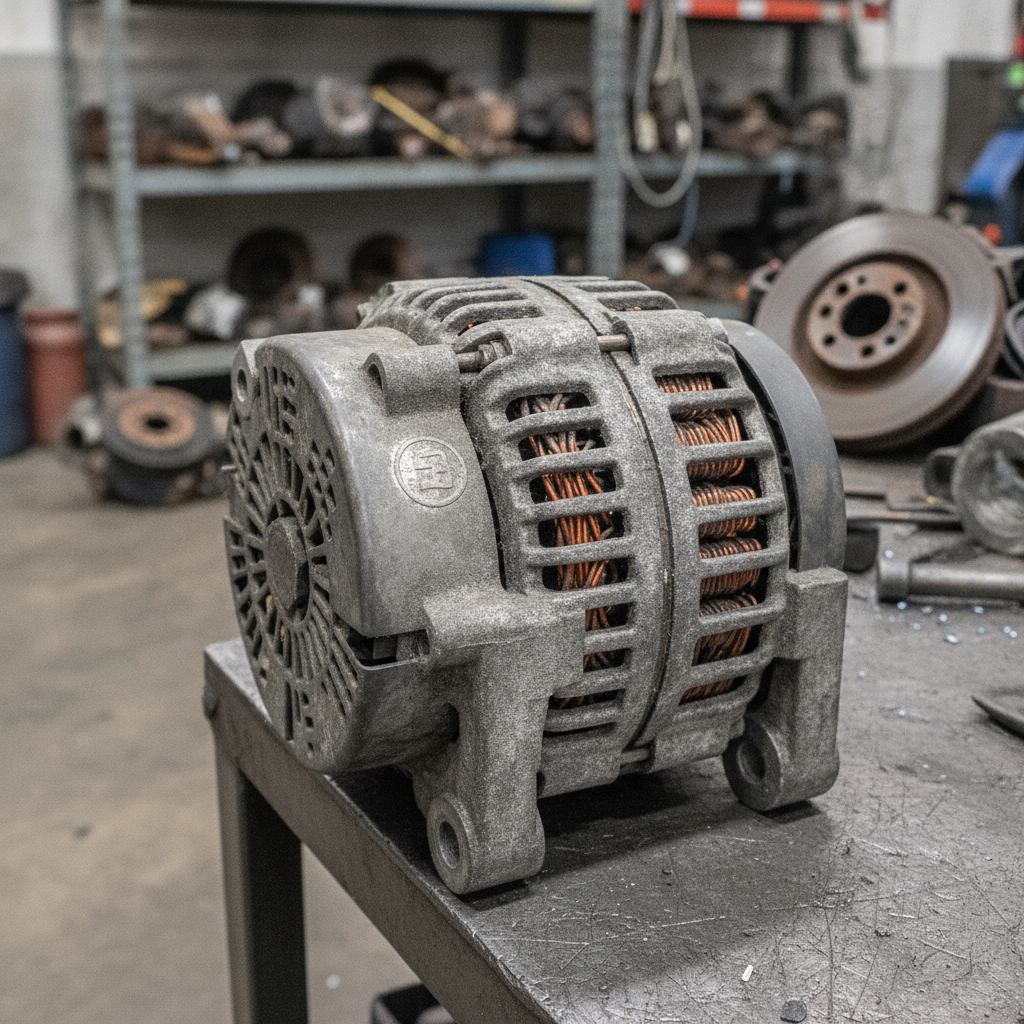
For the average daily driver in Baltimore, Maryland, or Cherry Hill, New Jersey, the alternator is the unsung hero of the engine bay. It is responsible for charging the battery and powering the vehicle’s electrical system while the engine is running. When this component fails, you are faced with a critical decision: should you buy a brand-new aftermarket unit from a big-box retailer, or opt for recycled car parts like a used OEM alternator from JP Auto Hub?
In this comprehensive guide, we will break down the technical differences, cost implications, and reliability factors that determine which choice is truly best for your vehicle and your wallet.
Understanding the Core Difference: OEM vs. Aftermarket
What is an OEM Alternator?
OEM stands for Original Equipment Manufacturer. This means the part was built by the company that originally manufactured the part for the vehicle maker (e.g., Denso for Toyota, Bosch for BMW, or Delphi for GM). When you purchase OEM parts, even used ones, you are getting a component engineered specifically for your vehicle’s electrical load, heat tolerances, and mounting points.
What is an Aftermarket Alternator?
Aftermarket alternators are produced by third-party companies. While some high-end aftermarket brands exist, the “budget” units found at most local auto parts stores are often designed to fit multiple vehicle models to save on manufacturing costs. This “one size fits many” approach often leads to compromises in efficiency and durability.
The Technical Advantage of Used OEM Parts
Many drivers in Camden, New Jersey and Dover, Delaware assume that “new” always equals “better.” However, in the world of automotive electrical systems, the build quality of a used original part often far exceeds that of a new, low-cost aftermarket unit. Here is why:
- Superior Materials: OEM manufacturers use high-grade copper windings and premium bearings. Budget aftermarket units often use thinner wire or lower-quality alloys that generate more heat.
- Precision Voltage Regulation: Your car’s Engine Control Unit (ECU) is programmed to communicate with the specific internal regulator of an OEM alternator. Aftermarket regulators often cause “flickering” lights or ghost diagnostic codes because they don’t communicate perfectly with the car’s computer.
- Heat Dissipation: OEM casings are cast with specific cooling fins designed for your engine’s airflow. Aftermarket units may run hotter, significantly shortening their lifespan.
📹 Recommended Video
For a visual guide, search “how to test a used alternator before installation and symptoms of failure” on
YouTube.
Why Daily Drivers Should Choose JP Auto Hub
At JP Auto Hub, we specialize in providing high-quality used auto parts that offer a middle ground between expensive dealership prices and unreliable cheap clones. For a daily driver, reliability is the most important metric. If you are commuting from Dover to Baltimore every day, you cannot afford a component failure on the highway.
The Testing Process
Unlike a random private seller, JP Auto Hub ensures that every recycled alternator undergoes a rigorous inspection. We check for:
- Bearing noise and shaft play.
- Voltage output under simulated load.
- Physical integrity of the housing and connectors.
Cost Comparison: Long-Term Value
Let’s look at the numbers. While a new aftermarket alternator might come with a “limited lifetime warranty,” that warranty doesn’t pay for the labor to replace the part when it fails six months later. If you are paying a mechanic in Cherry Hill to do the work, you want to do it once.
| Feature | Used OEM (JP Auto Hub) | Budget Aftermarket |
|---|---|---|
| Initial Cost | Low to Moderate | Moderate |
| Fitment Accuracy | 100% Perfect | Variable (May require shimming) |
| Component Quality | Premium/Industrial | Consumer Grade |
| Expected Lifespan | 5-10+ Years | 1-3 Years |
Environmental Impact: The Green Choice
Choosing recycled car parts is not just a financial decision; it is an environmental one. Manufacturing a new alternator requires significant energy, raw ore mining, and global shipping. By sourcing a part from our shop, you are participating in a circular economy that reduces waste and keeps perfectly functional machinery out of landfills.
Serving the Mid-Atlantic Region
Whether you are a DIY enthusiast in Camden or a professional shop owner in Baltimore, JP Auto Hub is your local partner for reliable components. We understand the specific needs of Mid-Atlantic drivers—from the humid summers that stress electrical systems to the salt-heavy winters that can corrode connectors.
How to Find the Right Alternator
To ensure you get the correct part, have your VIN (Vehicle Identification Number) ready. This allows us to match the exact amperage requirements for your vehicle’s trim level. A luxury sedan with heated seats and premium audio requires a higher-output alternator than a base model, and we can help you find that exact match in our inventory.
Conclusion: The Verdict for Daily Drivers
For a daily driver, the choice is clear. A used OEM alternator from a reputable source like JP Auto Hub provides the engineering excellence of the original manufacturer at a fraction of the price of a new unit. You avoid the “aftermarket lottery” and gain the peace of mind that comes with a part designed specifically for your vehicle.
Ready to get your vehicle back on the road with confidence? Browse our extensive inventory of OEM parts today.
Contact Us: If you have questions about compatibility for your specific make and model, contact our expert team for personalized assistance.





Copyright 2025 © J&P All right reserved. Powered by IzyoX
