

Used OEM Drivetrain Parts: What Matters Most for Long-Term Reliability
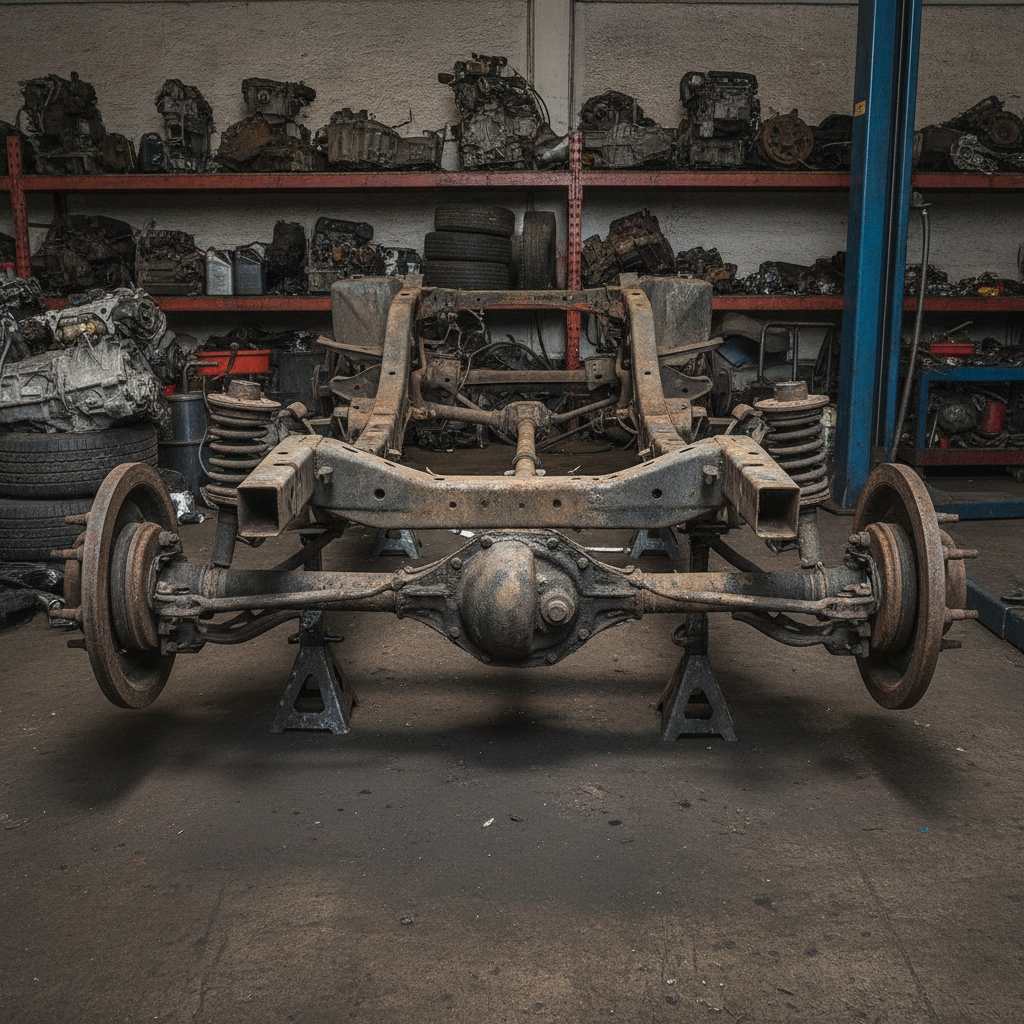
Used OEM Drivetrain Parts: What Matters Most for Long-Term Reliability
When a vehicle’s drivetrain fails, the owner is often faced with a financial crossroads: invest in brand-new components, gamble on cheap aftermarket alternatives, or choose high-quality recycled car parts. For drivers in Annapolis, Maryland, and Wilmington, Delaware, the choice often comes down to balancing cost with long-term durability. At JP Auto Hub, we advocate for OEM parts (Original Equipment Manufacturer) as the gold standard for drivetrain restoration.
The drivetrain is the most complex system in your vehicle, responsible for transferring power from the engine to the wheels. Because these components—including the transmission, driveshaft, and differentials—operate under extreme heat and torque, the precision of their manufacturing is paramount. In this guide, we will explore why used OEM drivetrain components are often superior to new aftermarket parts and what technical factors you should consider before purchasing.
The Engineering Advantage: OEM vs. Aftermarket
Many vehicle owners in Dover, Delaware, and Cherry Hill, New Jersey, are tempted by the low price tags of aftermarket drivetrain components. However, there is a fundamental difference in how these parts are produced. OEM parts are designed by the vehicle’s original engineers to meet exact specifications for metallurgy, gear tolerances, and thermal expansion rates. Aftermarket manufacturers often use “reverse engineering,” which can lead to slight variances that result in premature wear, noise, or catastrophic failure.
Why Material Science Matters
Drivetrain components are subjected to immense stress. OEM gears are typically forged from high-grade steel alloys and heat-treated to specific hardness levels. Aftermarket alternatives may use cast metals or inferior alloys to reduce costs. When you source used auto parts from JP Auto Hub, you are getting the original engineering integrity that the vehicle manufacturer intended.
| Feature | Used OEM (JP Auto Hub) | Cheap Aftermarket |
|---|---|---|
| Fitment | Perfect (Factory Specs) | Variable (May require modification) |
| Material Quality | High-Grade Forged Steel | Variable (Often lower-grade alloys) |
| Longevity | Proven (Tested for 100k+ miles) | Unpredictable |
| Resale Value | Maintains Vehicle Integrity | Can decrease vehicle value |
Key Drivetrain Components to Source Used
1. Transmissions (Automatic and Manual)
The transmission is the heart of the drivetrain. Buying a new transmission from a dealership can often exceed the total value of an older vehicle. However, a recycled transmission from a low-mileage donor vehicle provides the same gear-shifting precision at a fraction of the cost. When inspecting used auto parts like transmissions, JP Auto Hub technicians look for fluid clarity, the absence of burnt odors, and the integrity of the casing.
2. Differentials and Transfer Cases
For truck and SUV owners in the Mid-Atlantic region, the transfer case and differentials are critical for handling snow and rough terrain. These components rely on precise gear meshing. Even a fraction of a millimeter of deviation in an aftermarket differential can lead to “gear whine” and eventual failure. OEM parts ensure that the gear ratios remain consistent with your vehicle’s factory settings.
3. CV Axles and Driveshafts
While often considered wear items, the housings and shafts of OEM units are significantly more robust than their budget counterparts. Replacing a snapped aftermarket axle is a common headache that can be avoided by choosing high-quality recycled units.
What to Look for When Buying Recycled Car Parts
To ensure long-term reliability, you must look beyond the price tag. Here are the technical markers of a high-quality used drivetrain component:
- Donor Mileage: Generally, parts from vehicles with under 100,000 miles offer the best balance of price and remaining service life.
- Fluid Analysis: The condition of the oil inside a transmission or differential tells a story. Dark, gritty fluid indicates neglect, while clean fluid suggests a well-maintained donor vehicle.
- Spline Integrity: Ensure that the connection points (splines) are not rounded or rusted.
- Seal Condition: While seals are often replaced during installation, the area around the seal should be free of deep pitting or corrosion.
📹 Recommended Video
For a visual guide, search “how to inspect a used transmission before installation” on
YouTube.
The JP Auto Hub Difference: Quality Assurance in the Mid-Atlantic
At JP Auto Hub, we understand the specific needs of drivers from Annapolis to Cherry Hill. The humid climate and road salt used in Maryland and Delaware can be harsh on vehicle undercarriages. That is why our sourcing process for recycled car parts is so rigorous. We don’t just pull parts; we inspect them for structural integrity and environmental damage.
By choosing JP Auto Hub’s shop, you are accessing a curated inventory of OEM parts that have been vetted for quality. We prioritize components from regions where road salt usage is minimal or from vehicles that have been meticulously maintained.
Technical Testing Protocols
Our team performs several checks before a drivetrain part is listed for sale:
- Visual Inspection: Checking for cracks in the bell housing or differential pumpkin.
- Rotation Test: Ensuring that input and output shafts spin freely without binding or grinding noises.
- Electronic Testing: For modern transmissions, we verify that solenoids and sensors are communicating correctly.
Sustainability and Economic Value
Beyond reliability, buying used OEM parts is an environmentally conscious choice. It reduces the energy required to manufacture new steel components and prevents perfectly functional machinery from ending up in a landfill. For the budget-conscious driver in Wilmington or Dover, it’s the most logical way to keep a vehicle on the road without sacrificing safety.
Final Thoughts for Vehicle Owners
Maintaining a vehicle’s drivetrain doesn’t have to break the bank. By focusing on recycled car parts that carry the OEM stamp, you are investing in the original research and development of the car’s manufacturer. Whether you are repairing a daily driver or restoring a classic truck, the reliability of your drivetrain depends on the quality of the gears and casings inside.
Ready to find the perfect part for your vehicle? Browse our extensive inventory or contact us today to speak with one of our automotive experts. At JP Auto Hub, we are committed to providing the Mid-Atlantic region with the highest quality used auto parts available.





Copyright 2025 © J&P All right reserved. Powered by IzyoX
