
The Expert Guide to Inspecting Used Side Mirrors and Tail Light Assemblies
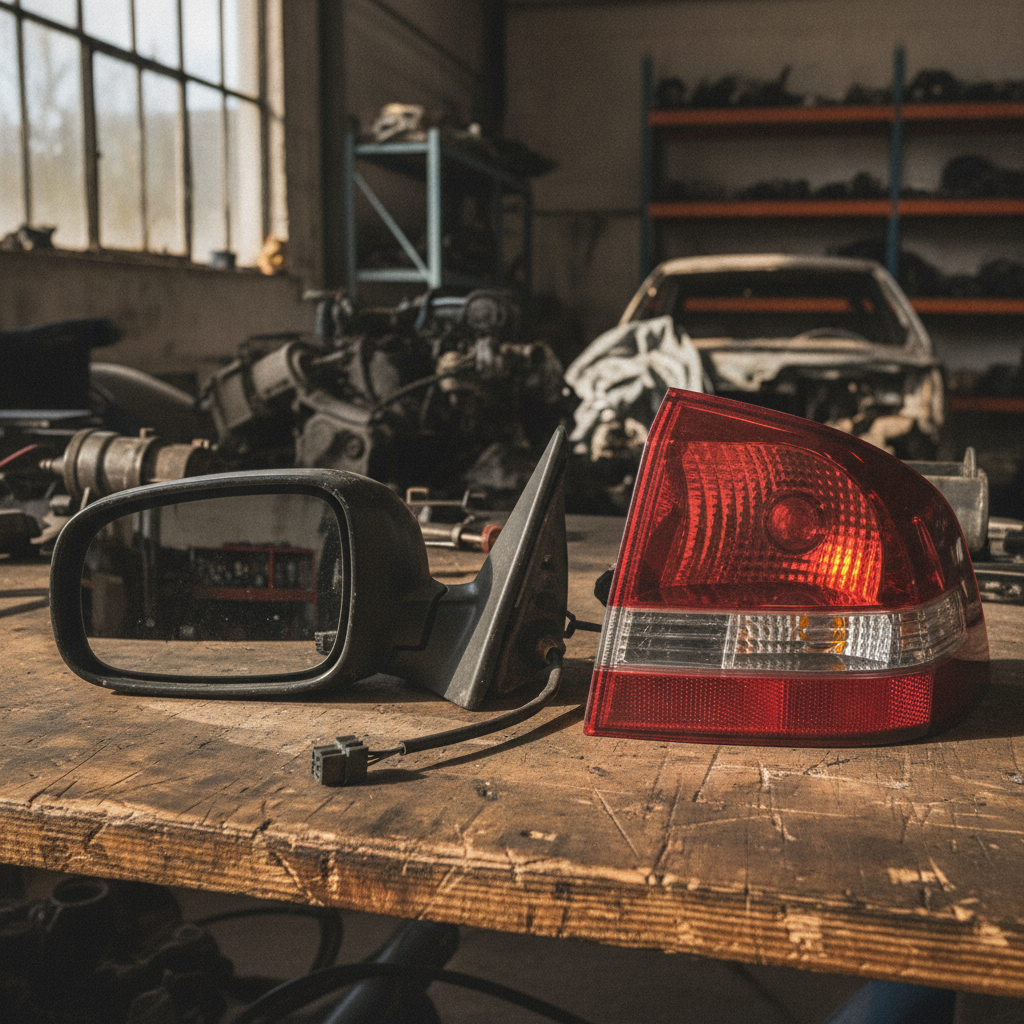
What to Look For in a Used Side Mirror or Tail Light Assembly
When it comes to vehicle maintenance, exterior components like side mirrors and tail lights are often the first to suffer damage from minor collisions, road debris, or environmental wear. For drivers in Cherry Hill, New Jersey, Newark, Delaware, Wilmington, Delaware, and Annapolis, Maryland, the cost of brand-new factory components can be staggering. This is where high-quality recycled car parts come into play. However, not all used auto parts are created equal. To ensure your vehicle remains safe and aesthetically pleasing, you need to know exactly what to look for when shopping at JP Auto Hub.
The Case for OEM Recycled Car Parts vs. Aftermarket
Before diving into the inspection process, it is critical to understand why OEM parts (Original Equipment Manufacturer) are superior to cheap aftermarket alternatives. Aftermarket mirrors and lights are often manufactured using thinner plastics that are prone to UV degradation and vibration. In contrast, OEM parts sourced from JP Auto Hub are designed specifically for your vehicle’s make and model, ensuring a perfect fit and finish.
Comparison Table: OEM Used vs. New Aftermarket
| Feature | Used OEM (JP Auto Hub) | New Aftermarket |
|---|---|---|
| Fitment | Factory Precision | Potential Gaps/Alignment Issues |
| Material | Automotive Grade UV-Resistant | Lower Grade Polymers |
| Electronics | Plug-and-Play Compatibility | Potential Wiring Modifications |
| Longevity | Proven Durability | Prone to Fading and Brittle Cracks |
Technical Inspection: Used Side Mirror Assemblies
Side mirrors are more than just glass and plastic; they are complex electronic components. When sourcing a used side mirror, follow this technical checklist to ensure functionality.
1. Verify the Pin Count and Connector
Modern side mirrors can have anywhere from 3 to 22 pins in their electrical connector. These pins control functions like power adjustment, heating elements, integrated turn signals, blind-spot monitoring (BSM), and power-folding motors. Before purchasing, unplug your damaged mirror and count the pins. A mirror from the same year and model might have a different pin configuration if the trim levels differ.
2. Glass Condition and Specialized Features
Inspect the glass for ‘delamination’—a brownish tint or bubbling around the edges. This is common in auto-dimming mirrors. If you are looking for a heated mirror, look for the small ‘heat’ icon on the glass. At JP Auto Hub, we verify these features to ensure the part matches your vehicle’s original specifications.
3. The Pivot Point and Housing
Check the manual or power-folding mechanism. Over time, the internal springs or gears can corrode or strip. Ensure the mirror holds its position firmly and does not ‘flutter’ at highway speeds. Check the mounting studs; if one is snapped, the mirror will vibrate, causing a safety hazard.
Evaluating Used Tail Light Assemblies
Tail lights are vital for safety and passing state inspections in Delaware and New Jersey. A compromised tail light can lead to electrical shorts or ticket citations.
1. The Fingernail Test for Micro-Cracks
Run your fingernail across the lens. If you feel ‘spiderweb’ cracks, the structural integrity of the plastic is compromised. These micro-cracks will eventually allow moisture to enter the housing, which leads to bulb failure and corrosion of the circuit board.
2. Seal Integrity and Moisture Evidence
Look for water spots or dried mineral deposits inside the lens. This indicates a failed seal. While some minor condensation can occur due to temperature swings, standing water is a deal-breaker. JP Auto Hub meticulously inspects all recycled car parts for seal breaches before they enter our inventory.
3. LED vs. Incandescent Compatibility
If your vehicle uses LED tail lights, the internal circuit boards are the most common failure point. Unlike bulb-based lights, LEDs are often non-serviceable. Ensure there are no signs of ‘burnt’ smell near the connector, which indicates a previous electrical surge.
Why JP Auto Hub is the Premier Choice in the Tri-State Area
Whether you are a DIY enthusiast in Wilmington or a professional body shop in Annapolis, sourcing reliable used auto parts is about trust. JP Auto Hub stands out by offering a curated selection of OEM parts that have been rigorously tested. Buying recycled is not just a cost-saving measure; it is an environmentally conscious choice that keeps high-quality materials out of landfills while maintaining the integrity of your vehicle.
Cheap aftermarket parts often require ‘shimming’ or trimming of the plastic to fit. By choosing OEM parts from our inventory, you save time on labor and avoid the frustration of parts that don’t quite line up with your car’s body lines.
📹 Recommended Video
For a visual guide, search “how to inspect and test used car side mirrors and tail lights for damage” on
YouTube.
Final Checklist Before You Buy
- Check the Paint Code: For side mirrors, ensure the color code matches your VIN to avoid the cost of repainting.
- Verify the VIN: Many parts are ‘mid-year’ changes. Providing your VIN to the team at JP Auto Hub ensures a 100% fitment guarantee.
- Inspect the Mounting Foam: Ensure the rear foam gasket is intact to prevent wind noise and water leaks into the door or trunk.
- Test the Adjustment: If buying in person, manually move the mirror glass to ensure the motors aren’t seized.
Conclusion
Replacing a side mirror or tail light doesn’t have to break the bank. By focusing on OEM parts and performing a detailed technical inspection of connectors, seals, and material integrity, you can restore your vehicle to factory condition for a fraction of the price. For the best selection of recycled car parts in Cherry Hill, Newark, and beyond, trust the experts at JP Auto Hub to provide the quality your vehicle deserves.





Copyright 2025 © J&P All right reserved. Powered by IzyoX
