
Used vs. New: When Does it Make Sense to Buy Recycled Auto Parts?
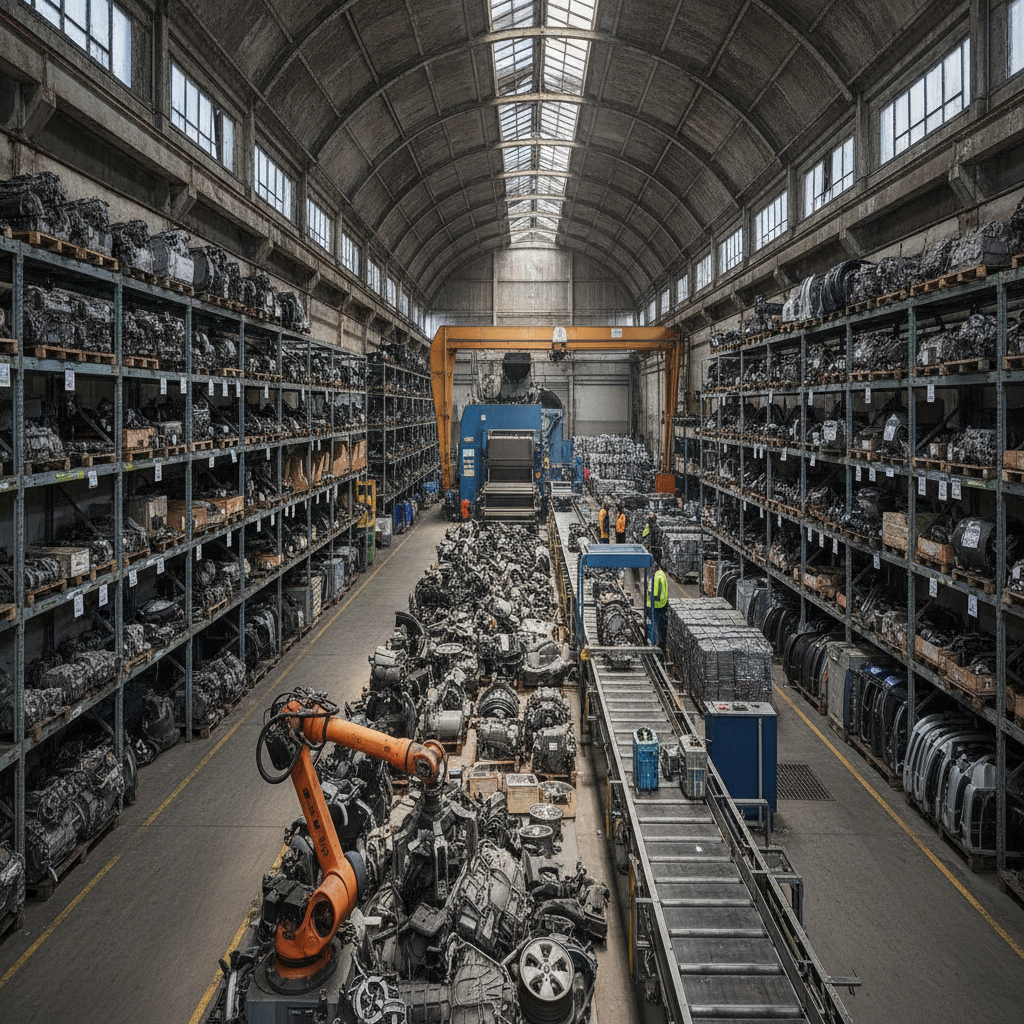
Used vs. New: When Does it Make Sense to Buy Recycled Auto Parts?
In the automotive repair world, the choice between buying brand-new components or opting for recycled car parts is more than just a financial decision; it is a technical one. For drivers in Cherry Hill, NJ, Newark, DE, and Annapolis, MD, the availability of high-quality used auto parts through JP Auto Hub has shifted the landscape of vehicle maintenance. While the allure of a ‘brand new’ box is strong, the reality of automotive engineering often favors the longevity and fitment of a used Original Equipment Manufacturer (OEM) part over a cheap, new aftermarket alternative.
The Economics of Recycled Car Parts in the Mid-Atlantic
Vehicle ownership in the Northeast and Mid-Atlantic regions—stretching from the bustling streets of Newark, Delaware, to the coastal roads of Annapolis, Maryland—presents unique challenges. Road salt, humidity, and stop-and-go traffic accelerate wear. When a major component fails, the repair bill can often exceed the actual cash value of an older vehicle. This is where used auto parts become the strategic choice.
By choosing recycled components, consumers typically save between 40% and 70% compared to dealership prices for new parts. However, the value proposition isn’t just about the price tag; it’s about maintaining the structural and mechanical integrity of the vehicle without over-investing in a depreciating asset.
OEM Quality vs. Aftermarket Alternatives: The Technical Reality
One of the most common mistakes car owners make is equating ‘new’ with ‘better.’ In the automotive industry, ‘new’ often refers to aftermarket parts—components made by third-party companies that did not design the original vehicle. These parts are frequently reverse-engineered to hit a low price point, often resulting in inferior metallurgy, thinner plastics, and imprecise tolerances.
Why Used OEM Parts Beat Cheap Aftermarket Alternatives
At JP Auto Hub, we prioritize OEM parts for several technical reasons:
- Precision Engineering: OEM parts are manufactured to the exact specifications of the vehicle’s engineers. This ensures that a used alternator from a donor vehicle will bolt on perfectly and communicate correctly with the car’s Engine Control Unit (ECU).
- Material Integrity: Aftermarket cooling components, such as radiators, often use thinner aluminum or lower-grade plastics that fail under the thermal stress cycles common in Dover, Delaware summers. A recycled OEM radiator, conversely, is built to the manufacturer’s rigorous durability standards.
- Safety and Crash Testing: Body panels and structural components are part of a vehicle’s crumple zone. Aftermarket ‘CAPA-certified’ parts often lack the specific steel tensile strength found in original recycled panels, potentially compromising safety in a secondary collision.
📹 Recommended Video
For a visual guide, search “how to inspect used auto parts at a salvage yard for quality” on
YouTube.
Categorizing Parts: When to Go Used and When to Stay New
Not every part of a car is a candidate for recycling. Understanding the distinction between ‘wear items’ and ‘hard parts’ is essential for any savvy vehicle owner in Cherry Hill or Newark.
The ‘Used’ Category: High-Value Recycled Parts
These components are ideal for sourcing from JP Auto Hub because they are designed to last the lifetime of the vehicle or are easily testable:
| Part Category | Recommended Source | Technical Justification |
|---|---|---|
| Body Panels (Doors, Hoods) | Used OEM | Guaranteed fitment and structural integrity. |
| Engines & Transmissions | Used OEM | Significant cost savings; original factory assembly. |
| Electronic Modules (ECUs) | Used OEM | Proprietary software compatibility. |
| Interior Components | Used OEM | Matching textures, colors, and mounting clips. |
| Wheels/Rims | Used OEM | Higher alloy quality than cheap replicas. |
The ‘New’ Category: Maintenance and Safety Items
For safety and functional longevity, the following should generally be purchased new:
- Braking Systems: Pads, rotors, and rubber hoses.
- Filters and Fluids: Oil, air, and cabin filters.
- Timing Belts: The labor cost of replacement far outweighs the part cost.
- Gaskets and Seals: These should always be fresh to ensure a proper vacuum or fluid seal.
The Environmental Impact of Choosing Used Auto Parts
Sustainability is more than a buzzword in the automotive sector; it is a necessity. The energy required to mine, smelt, and manufacture a new engine block or transmission is immense. By utilizing recycled car parts, we effectively extend the lifecycle of existing materials. For our customers in Annapolis and Dover, buying used is a direct contribution to a circular economy, reducing the carbon footprint associated with vehicle repair.
Automotive recycling facilities prevent millions of tons of steel, aluminum, and plastic from entering landfills annually. Furthermore, the proper drainage and recycling of fluids (coolant, oil, refrigerant) during the dismantling process at JP Auto Hub ensures that hazardous materials are handled according to strict environmental regulations.
JP Auto Hub: Your Trusted Source in Cherry Hill, Newark, and Beyond
Finding reliable used auto parts requires a partner that understands the technical nuances of modern vehicles. JP Auto Hub serves the entire Mid-Atlantic region with a commitment to quality that aftermarket retailers cannot match. Each part in our inventory undergoes a rigorous inspection process to ensure it meets our standards before it ever reaches your vehicle.
The JP Auto Hub Advantage
- Inventory Accuracy: We utilize advanced inventory management systems so that when you search for a part, you are seeing real-time availability for your specific make and model.
- Expert Knowledge: Our team understands the interchangeability of parts across different model years, helping you find the exact component needed for your repair.
- Regional Logistics: Whether you are in the heart of Newark, DE, or the suburbs of Cherry Hill, NJ, our logistics network ensures your parts arrive quickly and safely.
Conclusion: Making the Smart Choice
When does it make sense to buy recycled? It makes sense when you value the engineering integrity of OEM parts, when you want to save money without sacrificing safety, and when you want to support a sustainable automotive future. For the drivers of Delaware, Maryland, and New Jersey, the answer is clear: for hard parts, body components, and major mechanical assemblies, recycled is the superior choice.
Ready to find the perfect part for your vehicle? Browse our shop today or contact our team for expert assistance in identifying the right component for your repair project.





Copyright 2025 © J&P All right reserved. Powered by IzyoX
