
What to Look For When Buying a Used Engine Assembly: The Ultimate Guide
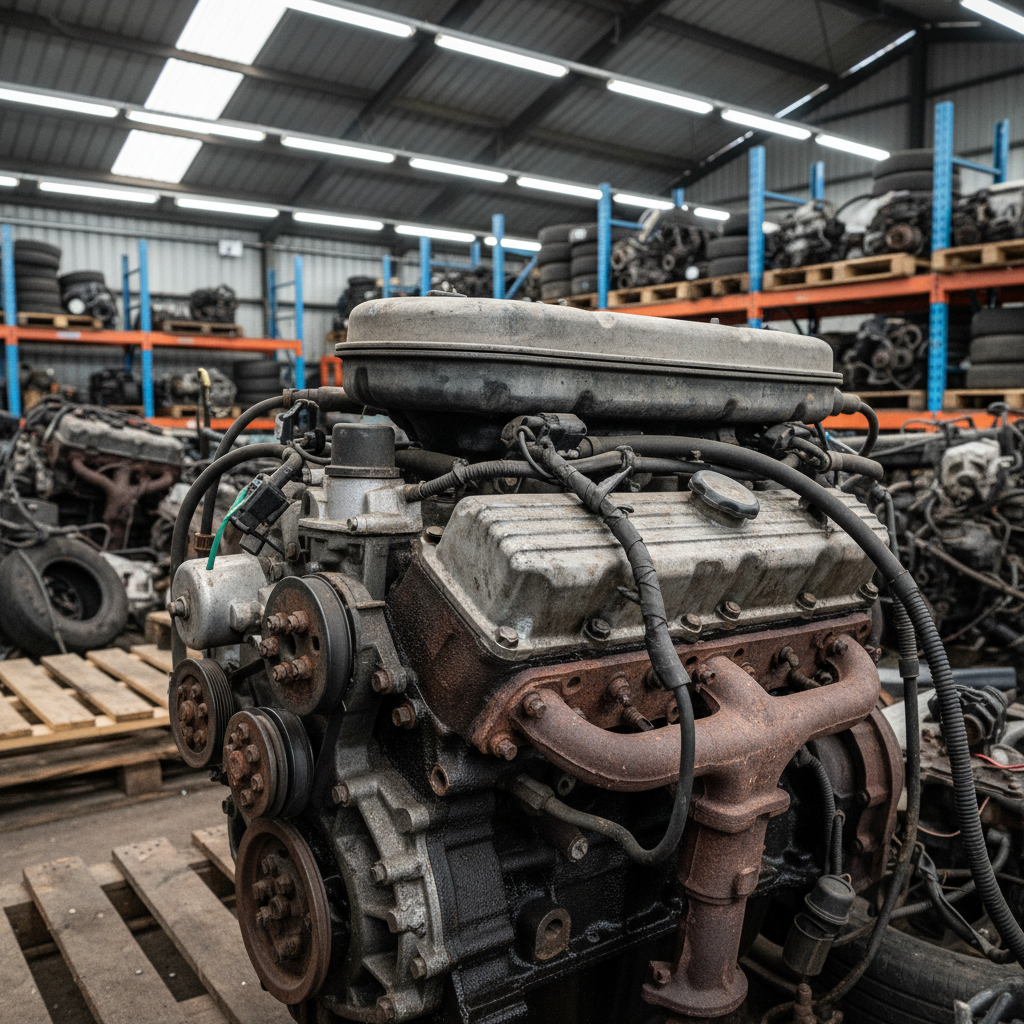
What to Look For When Buying a Used Engine Assembly: The Ultimate Guide
Purchasing a used engine assembly is one of the most significant investments a vehicle owner or mechanic can make. Whether you are restoring a classic in Philadelphia, Pennsylvania, or keeping a daily driver running in Dover, Delaware, sourcing high-quality used auto parts is a cost-effective way to extend the life of your vehicle. However, the process requires technical knowledge and a keen eye for detail to ensure you are getting a reliable component.
At JP Auto Hub, we specialize in providing premium recycled car parts that meet rigorous standards. In this guide, we will break down the critical factors you must consider before finalizing your purchase.
Why Choose Used OEM Parts Over Aftermarket Alternatives?
When searching for a replacement engine, you will likely encounter two options: OEM parts (Original Equipment Manufacturer) and aftermarket components. At JP Auto Hub, we strongly advocate for the use of recycled OEM assemblies for several reasons:
- Perfect Fitment: OEM engines are designed specifically for your vehicle’s make and model, ensuring all mounting points, electrical connectors, and cooling lines align perfectly.
- Material Quality: Original manufacturers use high-grade alloys and plastics that aftermarket competitors often sacrifice to lower costs.
- Integrated Systems: Modern engines rely heavily on sophisticated sensors. Used OEM engines retain the sensors and components designed to communicate seamlessly with your car’s ECU.
While cheap aftermarket ‘long blocks’ might seem attractive, they often lack the durability and precision of a genuine used engine from a reputable source like JP Auto Hub Shop.
The Technical Inspection Checklist
When evaluating a used engine assembly in Newark, Delaware or Annapolis, Maryland, use the following technical checklist to ensure the unit is sound.
1. Verify the Mileage
Mileage is the primary indicator of an engine’s remaining lifespan. While high mileage doesn’t always mean a bad engine, lower mileage units generally have less internal wear on bearings, piston rings, and valve trains. Always ask for a verified mileage report or the VIN of the donor vehicle.
2. Inspect the Oil and Coolant
Remove the oil cap and the dipstick. Look for ‘milky’ or ‘chocolate milk’ textured residue, which indicates a blown head gasket or a cracked block. Similarly, check the coolant ports for signs of oil contamination or heavy corrosion. Clean oil and clear coolant passages are signs of a well-maintained engine.
3. Check for External Damage
During the removal process at a salvage yard, engines can sometimes sustain exterior damage. Inspect the following:
- Cracked intake manifolds.
- Broken electrical connectors.
- Dented oil pans.
- Damaged harmonic balancers.
Understanding the Warranty and Return Policy
A reputable supplier of recycled car parts will always stand behind their product. Before purchasing, clarify the warranty terms. Does it cover just the ‘long block’ (the internal moving parts), or does it include the bolt-on accessories? At JP Auto Hub, we provide transparent warranty information to give our customers in the Mid-Atlantic region peace of mind.
| Feature | Used OEM Engine (JP Auto Hub) | New Aftermarket Engine |
|---|---|---|
| Cost | Significant Savings | High Premium |
| Fitment | Guaranteed Factory Fit | May Require Modification |
| Longevity | Proven Factory Durability | Variable Quality |
| Eco-Friendly | High (Recycled) | Low (New Manufacturing) |
📹 Recommended Video
For a visual guide, search “how to inspect a used engine before buying guide” on
YouTube.
The Importance of VIN Matching
Modern vehicles have various engine codes for the same model year. For instance, a 2.5L engine for a sedan might have different harness configurations than the 2.5L for the SUV variant of the same brand. Always provide your VIN to the experts at JP Auto Hub Contact to ensure the engine assembly is a 100% match for your vehicle’s computer system.
Sourcing Engines in the Mid-Atlantic Region
Location matters when buying heavy used auto parts. Shipping an engine from across the country can be prohibitively expensive and increases the risk of transit damage. JP Auto Hub serves the following key areas with efficient logistics:
- Philadelphia, PA: Fast delivery for shop owners in the metro area.
- Dover & Newark, DE: Localized support for Delaware’s automotive community.
- Annapolis, MD: Reliable parts sourcing for Maryland drivers.
Final Thoughts on Buying Used Engines
Buying a used engine assembly doesn’t have to be a gamble. By focusing on OEM parts, performing a thorough physical inspection, and sourcing from a trusted partner like JP Auto Hub, you can save thousands of dollars while maintaining the performance and safety of your vehicle. Remember to always verify the history, check for leaks, and ensure the warranty meets your needs before the engine is installed.
Ready to find your replacement engine?
Visit our inventory today and see why we are the preferred choice for recycled car parts in the Mid-Atlantic.





Copyright 2025 © J&P All right reserved. Powered by IzyoX
