

The Ultimate Guide to Buying a Used Engine Assembly: Quality, Reliability, and Savings
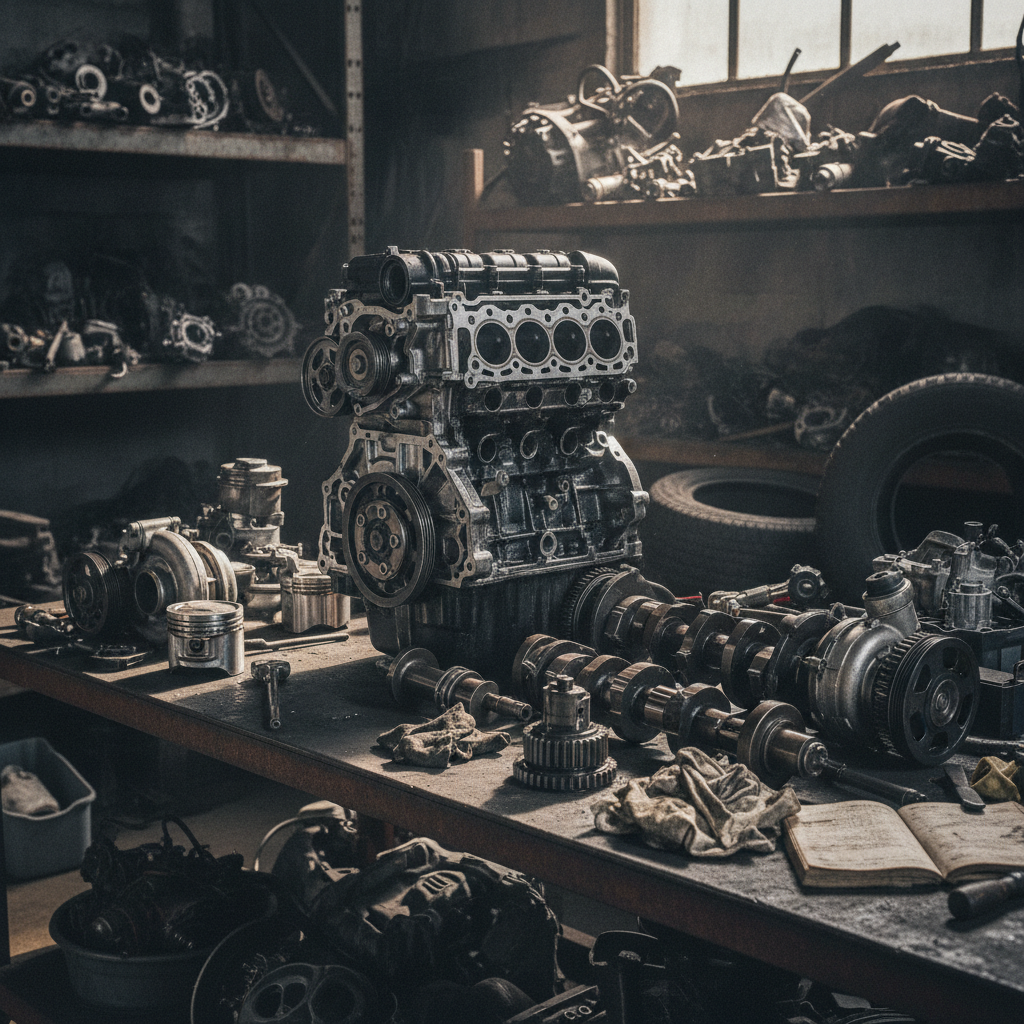
The Ultimate Guide to Buying a Used Engine Assembly: Quality, Reliability, and Savings
When a vehicle’s engine fails, the owner is faced with a difficult choice: sell the car for scrap, pay for a prohibitively expensive new crate engine, or invest in a high-quality used engine assembly. For savvy car owners and professional mechanics in Newark, Delaware, Philadelphia, Pennsylvania, Washington, D.C., and Annapolis, Maryland, the choice is clear. Opting for used auto parts from a reputable supplier like JP Auto Hub provides a cost-effective way to get a vehicle back on the road without sacrificing performance.
However, buying a used engine requires more than just finding a matching model number. It demands a technical understanding of what makes a recycled engine viable for long-term use. This guide explores the critical factors you must consider when sourcing recycled car parts and why OEM parts are superior to aftermarket alternatives.
Why a Used Engine Assembly is a Smart Investment
The primary driver for purchasing a used engine is cost. A brand-new engine from a dealership can often exceed the total market value of an older vehicle. By choosing a used assembly, you can typically save between 50% and 70% of the cost of a new unit. Beyond the financial savings, there is a significant environmental benefit. Utilizing recycled car parts reduces the energy and raw materials required to manufacture new components, making it the greenest choice for automotive repair.
The Regional Demand in the Mid-Atlantic
In the densely populated corridor spanning from Philadelphia to Washington, D.C., vehicles face harsh conditions—from stop-and-go traffic in Philly to the salt-covered winter roads of Newark, DE and Annapolis. These conditions can lead to premature engine wear. Sourcing a high-quality used engine from a trusted local hub ensures that you receive a part that has been properly vetted for the specific demands of Northeast driving.
OEM vs. Aftermarket: Why Recycled Car Parts Win
When looking for replacement components, you will encounter “aftermarket” parts. While these may be cheaper upfront, they rarely match the quality of OEM parts (Original Equipment Manufacturer). OEM engines were designed specifically for your vehicle’s chassis, electrical systems, and cooling requirements.
- Precision Fitment: Aftermarket components often require modifications to fit correctly, increasing labor costs.
- Material Integrity: OEM engines use high-grade alloys and seals designed to meet the manufacturer’s strict longevity standards.
- Electrical Compatibility: Modern engines rely heavily on complex sensors. A used OEM engine from JP Auto Hub ensures that all sensors and wiring harnesses communicate perfectly with your vehicle’s ECU.
The Critical 5-Point Inspection Checklist
Before finalizing your purchase of a used engine, you must perform a thorough inspection. At JP Auto Hub, we handle much of this vetting for you, but understanding the process is essential for any buyer.
1. Verify the VIN and Compatibility
Never assume an engine will fit just because it is from the same model year. Manufacturers often change engine codes mid-year. Always verify the VIN of the donor vehicle to ensure the displacement, emissions standards (CALI vs. FED), and transmission mounting points match your car.
2. Visual Inspection for Leaks and Corrosion
Examine the block and head for signs of trouble. Look for:
- Oil Leaks: Check the rear main seal and valve cover gaskets.
- Coolant Stains: White or orange crusty residue around the water pump or head gasket line indicates past overheating.
- Corrosion: While surface rust on a cast-iron block is common in Maryland and Delaware, deep pitting can compromise structural integrity.
3. Assessing Mileage and Service History
Low mileage is preferred, but a well-maintained high-mileage engine is often better than a low-mileage engine that sat for years. Ask for service records or a CARFAX report of the donor vehicle if available. Engines that have sat idle for too long may have dried-out seals and internal oxidation.
4. Internal Health: Compression and Leak-Down Tests
This is the most technical part of the process. A compression test measures the pressure the engine can generate within its cylinders. Consistent readings across all cylinders (usually within 10% of each other) indicate healthy piston rings and valves. A leak-down test goes further, identifying exactly where pressure is escaping—whether through the intake, exhaust, or crankcase.
5. Fluid Analysis
Pull the oil dipstick and remove the oil fill cap. If you see a milky, “chocolate milk” consistency, it’s a sign of coolant mixing with oil—a classic symptom of a blown head gasket. Similarly, check the spark plugs; heavy carbon deposits or oily residue can indicate internal oil burning.
Why JP Auto Hub is Your Trusted Source for Used Auto Parts
Navigating the world of used engines can be daunting. That is why JP Auto Hub has become the preferred destination for mechanics and DIYers across Philadelphia, Newark, and Washington, D.C.. We don’t just sell parts; we provide peace of mind.
Rigorous Testing Standards
Every engine assembly in our inventory undergoes a multi-point inspection. We verify mileage, check for leaks, and ensure the rotating assembly moves freely. Our goal is to provide used auto parts that perform like new, allowing you to install with confidence.
Seamless Logistics for the Northeast Corridor
We understand that when your car is down, every day counts. We offer efficient shipping and pickup options throughout Delaware, Pennsylvania, Maryland, and D.C.. Our team is dedicated to getting your OEM parts to you quickly so you can minimize downtime.
Summary Table: Comparing Engine Replacement Options
| Feature | New OEM Engine | JP Auto Hub Used OEM | Aftermarket/Rebuilt |
|---|---|---|---|
| Cost | Very High | Low to Moderate | Moderate |
| Fitment | Perfect | Perfect | Variable |
| Reliability | Highest | High (Tested) | Variable |
| Availability | Often Backordered | Immediate | Variable |
📹 Recommended Video
For a visual guide, search “how to inspect a used engine before buying guide for car owners” on
YouTube.
Conclusion: Take the Next Step with Confidence
Buying a used engine assembly is a sophisticated way to extend the life of your vehicle while saving money. By focusing on OEM parts and performing due diligence on mileage and condition, you can enjoy years of reliable service. Whether you are in the heart of Philadelphia or the suburbs of Annapolis, JP Auto Hub is here to supply the high-quality used auto parts you need.
Ready to find the perfect engine for your vehicle? Browse our live inventory or speak with one of our specialists today.
Contact us: Get in touch with JP Auto Hub





Copyright 2025 © J&P All right reserved. Powered by IzyoX
