
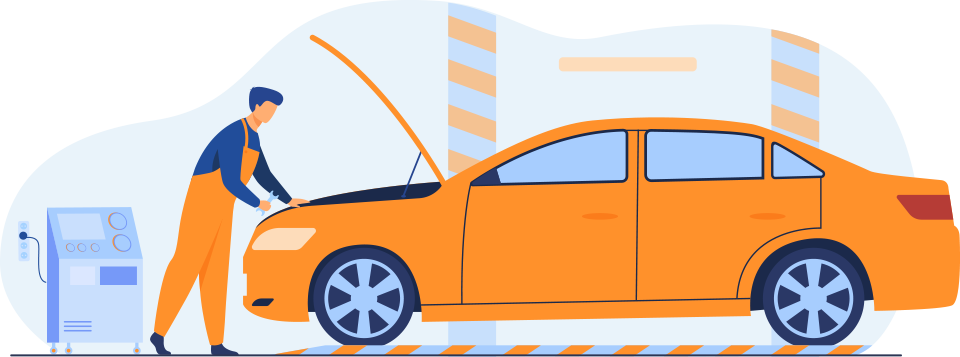
Why Body Shops Prefer OEM Used Parts for Many Repairs: The JP Auto Hub Guide
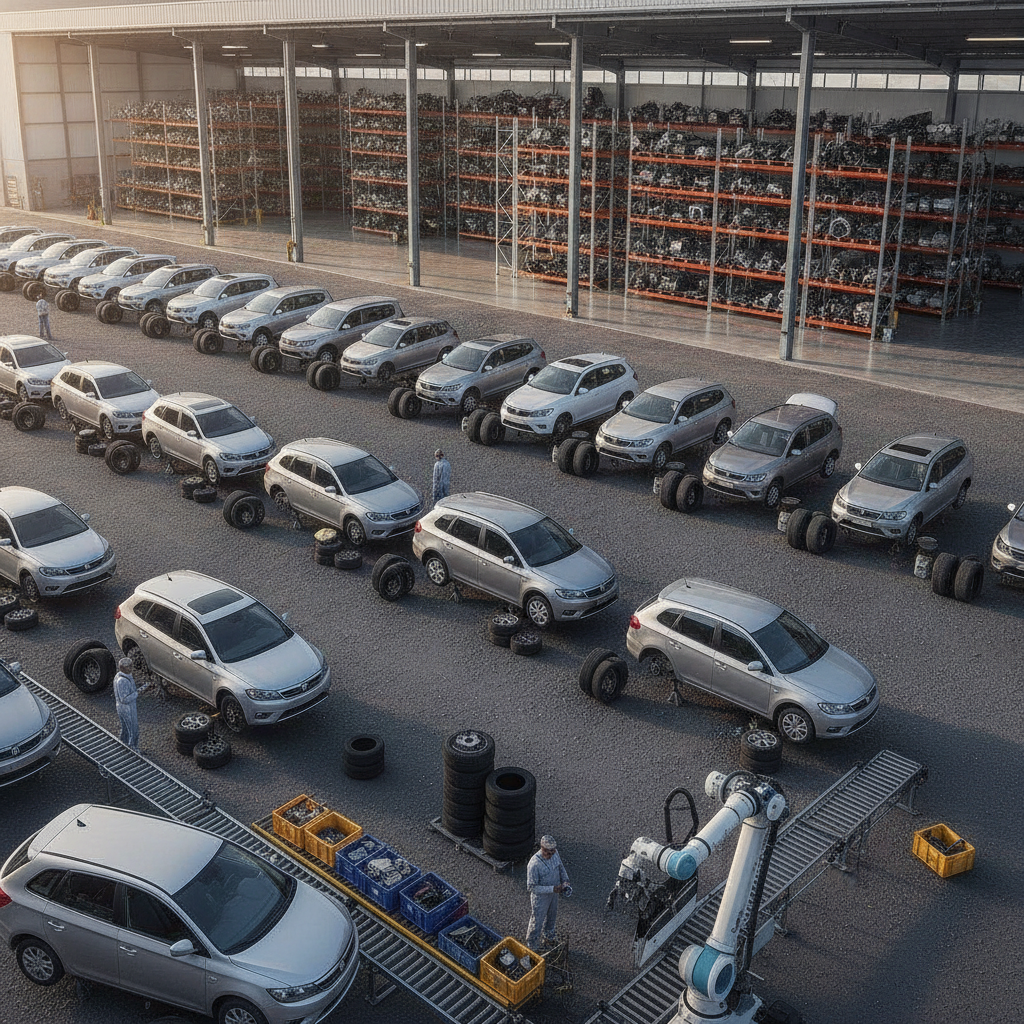
Why Body Shops Prefer OEM Used Parts for Many Repairs
In the high-stakes world of automotive collision repair, the choice of components can make or break the integrity of a vehicle. For professional body shops across Philadelphia, Wilmington, Cherry Hill, and Annapolis, the debate between using new aftermarket components versus high-quality used auto parts is often settled in favor of the latter. While ‘new’ usually sounds better to the uninitiated, industry veterans know that OEM parts (Original Equipment Manufacturer) carry a level of engineering precision that aftermarket replicas simply cannot match.
At JP Auto Hub, we provide the Mid-Atlantic region with premium recycled car parts that allow technicians to restore vehicles to their pre-accident condition without compromising on safety or aesthetics. This guide explores the technical and economic reasons why the experts choose used OEM over cheap alternatives.
The Core Difference: OEM vs. Aftermarket
To understand why body shops prefer recycled car parts, one must first understand the manufacturing landscape. OEM parts are created using the vehicle manufacturer’s original molds, materials, and tolerances. Aftermarket parts, conversely, are produced by third-party companies that ‘reverse-engineer’ the component. This often leads to slight variances that create significant headaches during the assembly process.
| Feature | Used OEM Parts (JP Auto Hub) | New Aftermarket Parts |
|---|---|---|
| Fitment | Perfect factory alignment | Often requires modification/shimming |
| Metallurgy | High-strength factory steel/aluminum | Variable, often thinner gauges |
| Safety | Designed for specific crumple zones | Untested structural performance |
| Finish | Factory paint-ready or original color | Primer may be low quality |
1. Precision Fitment and Reduced Labor Costs
One of the primary reasons body shops in Cherry Hill and Philadelphia source from JP Auto Hub is the ‘plug and play’ nature of OEM parts. When a technician installs a used factory fender or hood, the bolt holes align perfectly, and the panel gaps remain consistent with the rest of the vehicle.
Aftermarket panels are notorious for being slightly ‘off.’ A millimeter of variance might not seem like much, but it can result in hours of extra labor as the technician attempts to shim, grind, or force the part into place. For a high-volume shop, these wasted hours eat into profit margins. By using used auto parts, the shop ensures a faster turnaround time and a finish that looks like the car just rolled off the assembly line.
2. Structural Integrity and Material Quality
Modern vehicles are marvels of metallurgy. Manufacturers use specific grades of high-strength steel (HSS) and ultra-high-strength steel (UHSS) in specific areas to manage energy during a crash. When a body shop in Wilmington or Annapolis replaces a structural component, they must ensure the replacement part behaves exactly like the original.
Cheap aftermarket parts often use inferior alloys to keep costs down. In a secondary collision, an aftermarket bumper reinforcement might not fold as intended, potentially causing the airbags to deploy incorrectly or failing to protect the cabin. Recycled car parts sourced from JP Auto Hub are the exact components the vehicle was engineered with, maintaining the original safety rating of the car.
The Role of Electronics and Sensors
Today’s cars are computers on wheels. Components like side mirrors, grilles, and bumpers now house complex sensors for Blind Spot Monitoring, Adaptive Cruise Control, and Park Assist. Aftermarket housings often lack the precise internal mounting brackets required for these sensors to calibrate correctly. Body shops prefer used auto parts because they include the original internal clips and shielding, preventing ‘ghost’ codes on the dashboard after the repair is complete.
📹 Recommended Video
For a visual guide, search “automotive repair comparison OEM vs aftermarket body panels fitment” on
YouTube.
3. Environmental Sustainability in the Mid-Atlantic
Sustainability is becoming a core value for businesses in the Philadelphia and Wilmington corridors. Every time a body shop chooses a recycled car part from JP Auto Hub, they are participating in a circular economy. Manufacturing a new car door requires massive amounts of energy, raw ore mining, and trans-oceanic shipping. By repurposing an existing, undamaged door from a donor vehicle, the carbon footprint of the repair is reduced by over 60%.
4. Cost-Effectiveness for Total Loss Avoidance
Insurance companies often use a ‘Total Loss’ threshold (usually 70-80% of the vehicle’s value). If a repair estimate exceeds this, the car is scrapped. For many owners in Annapolis or Cherry Hill, their vehicle might be mechanically sound but have high cosmetic repair costs. Used auto parts allow body shops to keep repair costs below the total-loss threshold, saving the customer’s vehicle and providing the shop with the work. Since OEM parts from a recycler are significantly cheaper than ‘new-in-box’ dealer parts, it is a win-win for all parties involved.
The JP Auto Hub Quality Assurance Process
Not all used auto parts are created equal. Body shops trust JP Auto Hub because of our rigorous vetting process. Before a part enters our inventory, it undergoes a multi-point inspection:
- Visual Inspection: Checking for dents, scratches, or stress fractures.
- Functionality Testing: Electrical components like window motors or power mirrors are bench-tested.
- Cleaning and Prep: Parts are cleaned of road debris so they arrive at the shop ready for the paint booth.
- Accurate Grading: We use industry-standard grading so shops know exactly what they are receiving.
Whether you are a DIYer in Philadelphia or a commercial shop manager in Wilmington, our commitment to quality ensures that the recycled car parts you buy are reliable and durable.
5. Paint Matching and Natural Aging
For older vehicles, a brand-new aftermarket part can actually look out of place. The factory paint on a five-year-old car has undergone slight UV fading. If a shop can find a used auto part in the same factory color code from JP Auto Hub, they can sometimes perform a ‘blend’ that is much more seamless than painting a raw aftermarket part from scratch. This is particularly useful for non-metallic colors where the match can be nearly identical.
Conclusion: Why Experts Choose JP Auto Hub
The choice is clear for automotive professionals. OEM parts offer the safety, fitment, and quality that aftermarket alternatives simply cannot guarantee. By sourcing used auto parts from a reputable supplier like JP Auto Hub, body shops across the Mid-Atlantic—from the busy streets of Philadelphia to the coastal roads of Annapolis—can deliver superior repairs at a fraction of the cost of new components.
If you are looking for the best in recycled car parts, browse our extensive inventory or speak with our experts today. We are dedicated to keeping your vehicle safe, stylish, and on the road.
Ready to find the perfect part for your repair? Explore our Shop or Contact Us for personalized assistance.





Copyright 2025 © J&P All right reserved. Powered by IzyoX
