

Why Used OEM Parts Beat Cheap Aftermarket Alternatives Every Time
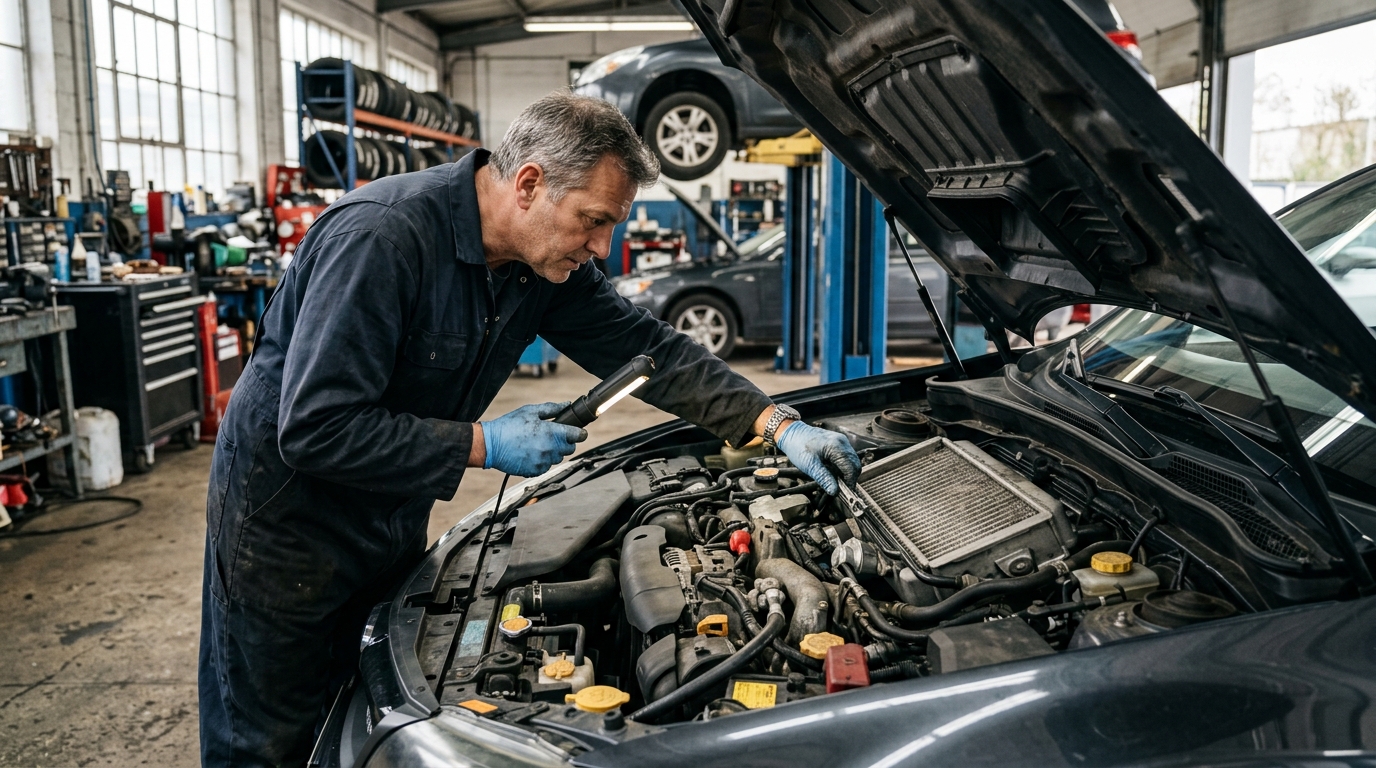
Why Used OEM Parts Beat Cheap Aftermarket Alternatives Every Time
When your vehicle breaks down or requires routine maintenance, the repair bill can often be a source of immense stress. Dealerships routinely charge exorbitant prices for brand-new components, leading many drivers and independent mechanics to look for cost-effective alternatives. This search usually leads to a fork in the road: purchasing cheap aftermarket substitutes or investing in high-quality used auto parts sourced directly from original vehicles. For automotive experts and seasoned mechanics, the choice is clear. Used OEM parts (Original Equipment Manufacturer) consistently outperform and outlast budget aftermarket alternatives.
At JP Auto Hub, we have built our reputation on providing premium recycled car parts to drivers and repair shops across Annapolis, Maryland; Cherry Hill, New Jersey; Camden, New Jersey; and Philadelphia, Pennsylvania. In this comprehensive guide, we will delve into the deep technical reasons why used OEM components are the smartest, safest, and most economical choice for your vehicle.
Understanding the Terminology: OEM vs. Aftermarket
Before diving into the technical superiority of OEM components, it is crucial to understand exactly what these terms mean within the automotive industry.
What Are OEM Parts?
OEM stands for Original Equipment Manufacturer. These parts are designed, engineered, and manufactured either directly by your car’s automaker (such as Ford, Toyota, or Honda) or by a contracted tier-one supplier (like Bosch, Denso, or Aisin) specifically for that vehicle. When a car rolls off the assembly line, it is built entirely of OEM parts. Buying a used OEM part means you are getting the exact same component that your vehicle was originally engineered to use.
What Are Aftermarket Parts?
Aftermarket parts are produced by third-party companies that are not affiliated with the original automaker. While there are high-end aftermarket brands designed for performance upgrades, the vast majority of aftermarket parts—especially those marketed as budget-friendly—are reverse-engineered. These manufacturers aim to produce parts that fit as many vehicles as possible at the lowest possible cost, often cutting corners on materials and engineering tolerances.
The Hidden Costs of Cheap Aftermarket Parts
While the upfront price tag of a cheap aftermarket part might seem appealing, the long-term costs often far exceed the initial savings. Budget aftermarket manufacturers frequently use inferior metallurgy, cheaper plastics, and less precise machining processes. This leads to a cascade of potential issues:
- Poor Fitment: Because aftermarket parts are reverse-engineered, their dimensions are rarely exact. Mechanics often have to drill new holes, bend brackets, or force components into place, increasing labor costs.
- Premature Failure: Subpar materials mean these parts wear out significantly faster than OEM counterparts. A cheap aftermarket alternator might save you $50 today, but it could fail in six months, leaving you stranded.
- Voided Warranties: In some cases, using poorly manufactured aftermarket parts can damage surrounding OEM systems, potentially voiding manufacturer warranties on those systems.
- Safety Risks: For critical systems like brakes, suspension, and steering, inferior materials can lead to catastrophic failures at highway speeds.
Deep Technical Value: Why OEM Engineering Matters
To truly understand why used OEM parts are superior, we must look at the engineering and rigorous testing that goes into original vehicle components. Automakers spend billions of dollars on research and development to ensure their vehicles meet strict safety, emissions, and durability standards.
Metallurgy and Material Science
OEM components are forged and cast using highly specific metal alloys designed to withstand the exact thermal and mechanical stresses of that particular vehicle. For example, an OEM control arm is engineered with specific tensile strength to absorb impacts without snapping. Cheap aftermarket control arms often use lower-grade steel or cast iron with microscopic air pockets, making them brittle and prone to cracking under heavy loads.
Electrical Systems and ECU Compatibility
Modern vehicles are essentially rolling computers. Sensors, alternators, fuel injectors, and ignition coils must communicate flawlessly with the Engine Control Unit (ECU). OEM electrical components use high-quality microchips, precise resistance values, and superior wiring insulation. Cheap aftermarket sensors frequently provide voltage readings that are slightly out of spec. While the car might run, this slight variance can cause rough idling, decreased fuel efficiency, and persistent “Check Engine” lights.
📹 Recommended Video
For a visual guide, search “OEM vs aftermarket car parts explained” on
YouTube.
Crash Safety Standards and Body Panels
When replacing body panels, bumpers, or structural supports after an accident, OEM parts are critical. OEM fenders and hoods are designed with specific crumple zones to absorb kinetic energy during a collision, protecting the occupants. Aftermarket body panels are often stamped from thinner gauge sheet metal that does not crumple as engineered, directly compromising the vehicle’s crash safety rating.
Comparing the Options: Used OEM vs. Cheap Aftermarket
Let’s look at a direct comparison to illustrate why sourcing recycled car parts is the logical choice for vehicle maintenance.
| Feature | Used OEM Parts | Cheap Aftermarket Parts |
|---|---|---|
| Fitment & Tolerances | Exact match. Drops right into place with zero modifications required. | Often imprecise. May require grinding, bending, or extra labor to install. |
| Material Quality | Automotive-grade alloys, high-temp plastics, and premium electronics. | Lower-grade metals, brittle plastics, and generic electrical components. |
| ECU Compatibility | 100% compatible. Communicates perfectly with the vehicle’s computer. | Hit or miss. Frequently triggers diagnostic trouble codes (DTCs). |
| Environmental Impact | Highly sustainable. Reduces landfill waste and manufacturing emissions. | High carbon footprint due to new manufacturing and global shipping. |
| Overall Value | Excellent. High durability at a fraction of the new dealership price. | Poor. Low initial cost, but high likelihood of premature replacement. |
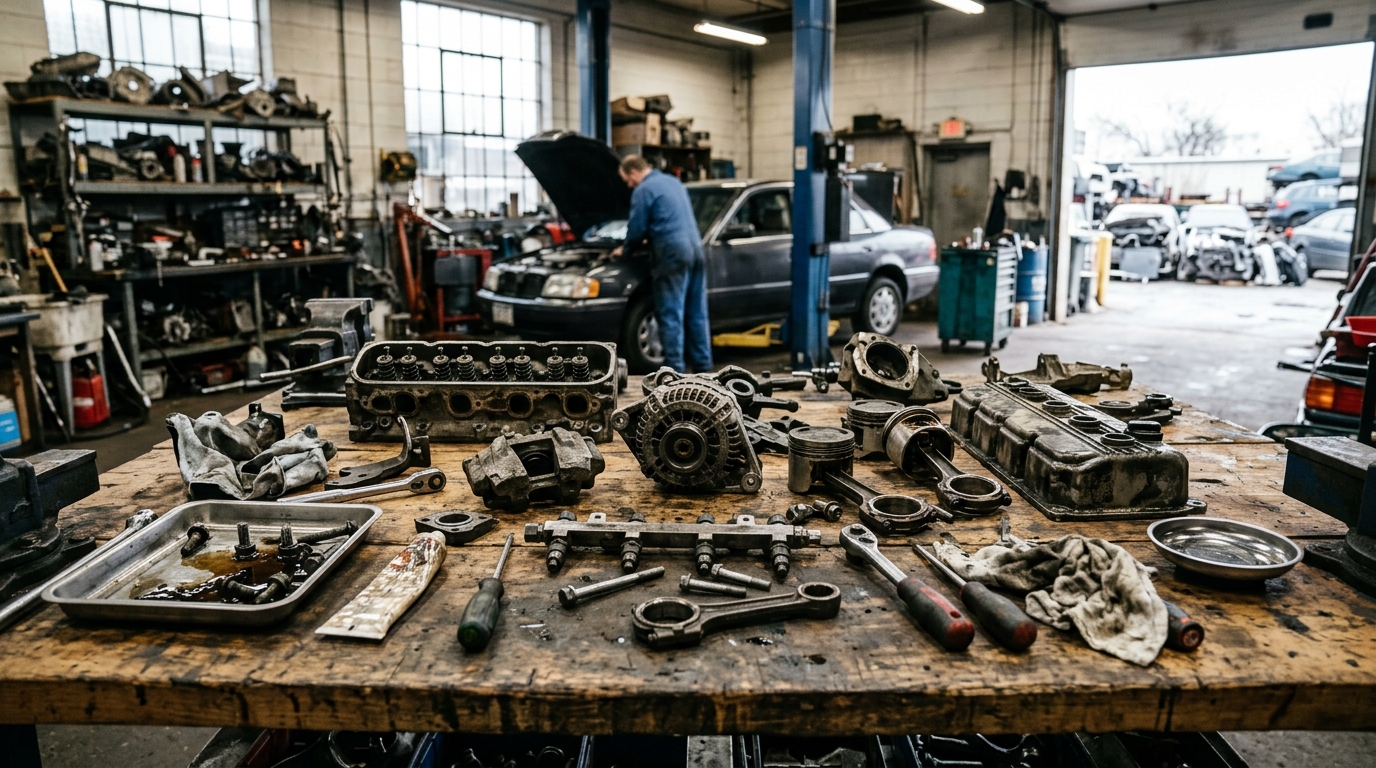
used auto parts workbench
The Environmental Benefit of Recycled Car Parts
Beyond performance and cost savings, choosing used auto parts is a highly environmentally responsible decision. The automotive manufacturing process is incredibly resource-intensive. Producing a single new component requires mining raw metals, refining plastics, and consuming massive amounts of energy. By utilizing recycled car parts, you are actively participating in the circular economy. You keep perfectly functional components out of landfills and significantly reduce the carbon footprint associated with your vehicle’s maintenance.
Why JP Auto Hub is Your Trusted Source
Finding a reliable source for used auto parts is the key to unlocking the benefits of OEM quality. At JP Auto Hub, we take the guesswork out of buying recycled components. We employ a rigorous quality control process to ensure that every part we sell meets strict performance standards.
- Thorough Inspection: Our certified technicians meticulously inspect every component for wear, damage, and structural integrity.
- Testing: Electrical components and mechanical assemblies are tested to ensure they function exactly as the manufacturer intended.
- Extensive Inventory: Whether you need a transmission, an alternator, or a replacement door panel, you can find it in our extensive shop inventory.
Serving the Tri-State Area and Beyond
We are proud to be a premier automotive recycling facility serving a wide geographic region. Mechanics, body shops, and DIY enthusiasts trust us for their parts needs across multiple major cities. Whether you are navigating the historic streets of Annapolis, Maryland, commuting through Cherry Hill, New Jersey, working in Camden, New Jersey, or battling traffic in Philadelphia, Pennsylvania, JP Auto Hub is your local partner for reliable automotive solutions.
Our strategically located distribution allows us to get the parts you need quickly, minimizing your vehicle’s downtime. We understand that whether you are a professional mechanic in Philadelphia or a car owner in Annapolis trying to save money on a repair, quality and speed are paramount.
Conclusion: Make the Smart Investment
When it comes to repairing your vehicle, cutting corners with cheap aftermarket parts is a gamble that rarely pays off. The compromises in material quality, engineering tolerances, and safety standards are simply not worth the short-term financial savings. By choosing used OEM parts, you are investing in the exact engineering that made your car reliable in the first place.
Don’t compromise on your vehicle’s performance or your family’s safety. Choose the guaranteed fitment, superior durability, and unmatched value of original equipment. If you are looking for the best recycled car parts in Annapolis, Cherry Hill, Camden, or Philadelphia, contact our team at JP Auto Hub today. Let our experts help you find the exact part you need to get back on the road with confidence.





Copyright 2025 © J&P All right reserved. Powered by IzyoX
